
Close Menu
    Facebook X (Twitter) Instagram
    Tuesday, August 4
    Top Stories:
    • Ancient Creature Unveils the Origins of Spider Fangs
    • Waymo Launches Robotaxi Service for All in Dallas
    • India Sets to Monetize Its Instant Payments Network
    Facebook X (Twitter) Instagram Pinterest Vimeo
    IO Tribune
    • Home
    • AI
    • Tech
      • Gadgets
      • Fashion Tech
    • Crypto
    • Smart Cities
      • IOT
    • Science
      • Space
      • Quantum
    • OPED
    IO Tribune
    Home » Ancient Creature Unveils the Origins of Spider Fangs
    Tech

    Ancient Creature Unveils the Origins of Spider Fangs

    Lina Johnson MercilliBy Lina Johnson MercilliAugust 4, 2026No Comments3 Mins Read
    Share Facebook Twitter Pinterest LinkedIn Tumblr Reddit Telegram Email
    Share
    Facebook Twitter LinkedIn Pinterest Email

    Essential Insights

    1. Fossil evidence shows early structures that became spider fangs date back 518 million years.
    2. The creature Urokodia had pincer-like appendages, ancestors of modern chelicerae.
    3. X-ray scans revealed soft tissues, offering insights into ancient chelicerate evolution.
    4. Urokodia’s discovery helps understand the origins of predatory features in spiders and relatives.

    Unlocking the Origins of Spider Fangs Through Ancient Fossils

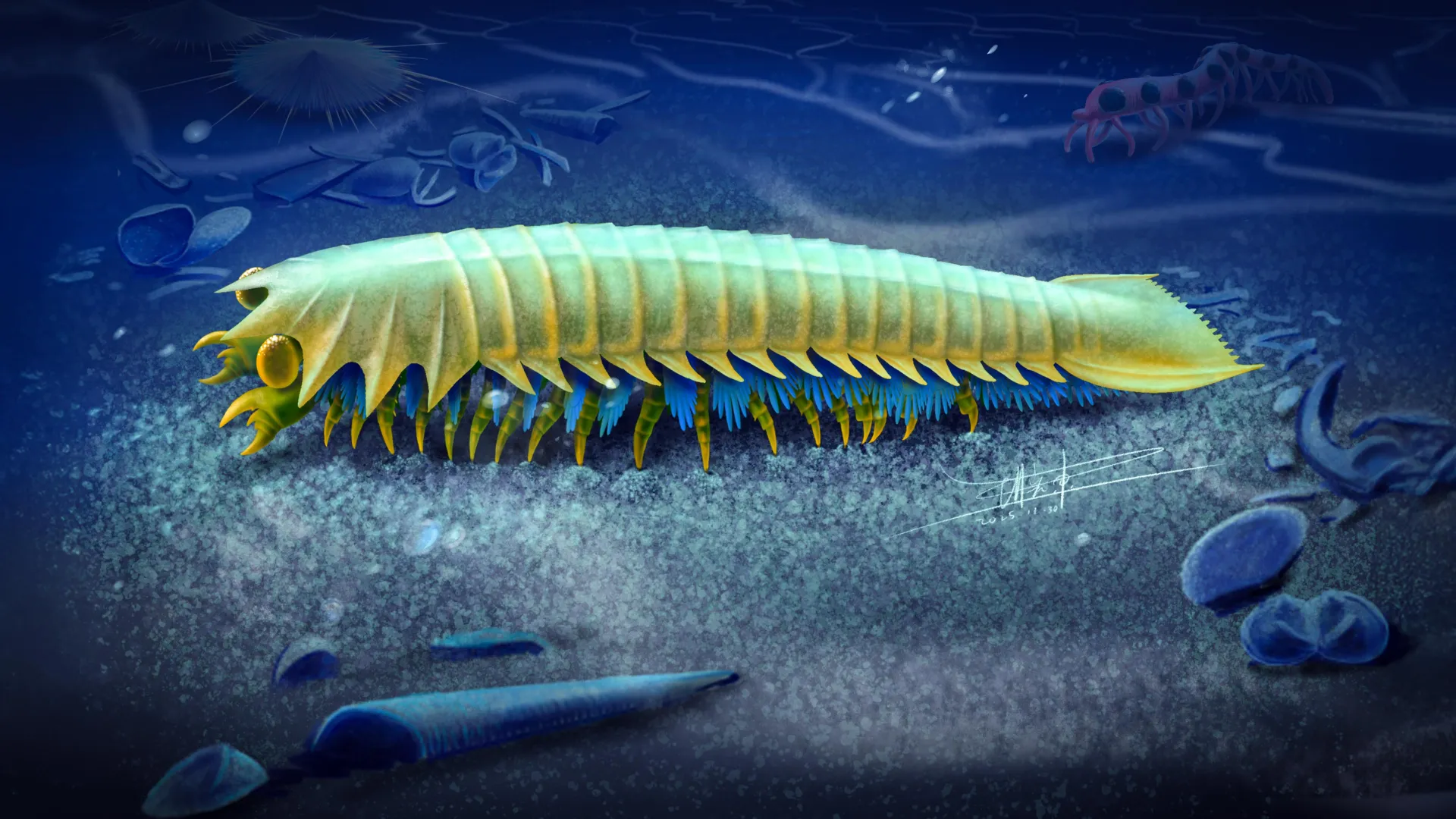
    Scientists recently discovered the earliest evidence of structures that became spider fangs in a 518-million-year-old fossil. This find was made by researchers at Yunnan University and the University of Leicester. The fossil belongs to Urokodia, a small marine creature from the early Cambrian Period. Its discovery sheds light on how ancient animals began developing the tools that modern spiders and other chelicerates use to hunt.

    Fossil evidence shows that Urokodia had pincer-like appendages behind its eyes. These structures are early forms of chelicerae, the specialized limbs that eventually turned into fangs. The researchers used X-ray technology to examine the fossil without damaging it. They found that much of Urokodia’s soft body parts had been preserved in fossilized form. This allowed them to see the fine details of its anatomy, including the chelicerae. The fossil also had features on its legs that might have helped it breathe underwater, similar to the respiratory structures of horseshoe crabs.

    The Evolutionary Journey from Urokodia to Modern Spiders

    The discovery of Urokodia shows that chelicerates, the group that includes spiders, scorpions, and ticks, have a long evolutionary history. Over hundreds of millions of years, these animals became experts at hunting. Those that moved onto land evolved into predators capable of capturing larger prey. Today, chelicerates are one of the most successful animal groups, thriving in both land and sea.

    Most spiders are not dangerous to humans. Their venom and bites help them catch small prey. The evolution of fangs allowed them to be effective hunters without harming themselves. The ancient origins of these structures, like those seen in Urokodia, reveal how nature developed tools for survival. The fossil illustrates that the simple pincer-like limbs of early chelicerates eventually turned into the deadly fangs known today. This research offers a glimpse into the dawn of animal life and the long journey of adaptation that led to the complex predators we now see.

    Stay Ahead with the Latest Tech Trends

    Learn how the Internet of Things (IoT) is transforming everyday life.

    Explore past and present digital transformations on the Internet Archive.

    TechV1

    Innovation Management Tech technology VT1
    Share. Facebook Twitter Pinterest LinkedIn Tumblr Email
    Previous ArticleMedallion Data Architecture: A Powerful Introduction
    Next Article Lunar Impact: NASA’s Next Big Observation
    Avatar photo
    Lina Johnson Mercilli
    • Website

    Lina Johnson Marcelli is the editor for IO Tribune, bringing over two decades of experience in journalism to her role. With a BA in Journalism, she is passionate about delivering impactful stories that resonate with readers. Known for her keen editorial vision and leadership, Lina is dedicated to fostering innovative storytelling across the publication. Outside of work, she enjoys exploring new media trends and mentoring aspiring journalists.

    Related Posts

    Space

    Lunar Impact: NASA’s Next Big Observation

    August 4, 2026
    AI

    Medallion Data Architecture: A Powerful Introduction

    August 4, 2026
    Gadgets

    Affordable Open-Ear Earbuds Debut Under $100

    August 4, 2026
    Add A Comment

    Comments are closed.

    Must Read

    Lunar Impact: NASA’s Next Big Observation

    August 4, 2026

    Ancient Creature Unveils the Origins of Spider Fangs

    August 4, 2026

    Medallion Data Architecture: A Powerful Introduction

    August 4, 2026

    Affordable Open-Ear Earbuds Debut Under $100

    August 4, 2026

    Waymo Launches Robotaxi Service for All in Dallas

    August 4, 2026
    Categories
    • AI
    • Crypto
    • Fashion Tech
    • Gadgets
    • IOT
    • OPED
    • Quantum
    • Science
    • Smart Cities
    • Space
    • Tech
    Most Popular

    Secrets Unveiled: Hidden Voids in Menkaure Pyramid Suggest Entrance

    April 26, 2026

    Sony and AMD Unveil Next-Gen GPU Tech for PlayStation

    October 10, 2025

    Melatonin Unveils New Power: Repairing DNA Damage Naturally

    May 30, 2026
    Our Picks

    Roku’s Potential Sale: A Treasure Trove of 100 Million Users

    June 14, 2026

    Bitcoin Dips to $86K as Whale Offloads $1.3B in BTC

    November 20, 2025

    $7.43 Billion Bitcoin Seized: Chinese Fraudster Convicted in UK

    October 4, 2025
    Categories
    • AI
    • Crypto
    • Fashion Tech
    • Gadgets
    • IOT
    • OPED
    • Quantum
    • Science
    • Smart Cities
    • Space
    • Tech
    • Privacy Policy
    • Disclaimer
    • Terms and Conditions
    • About Us
    • Contact us
    Copyright © 2025 Iotribune.comAll Rights Reserved.

    Type above and press Enter to search. Press Esc to cancel.