

Top Highlights
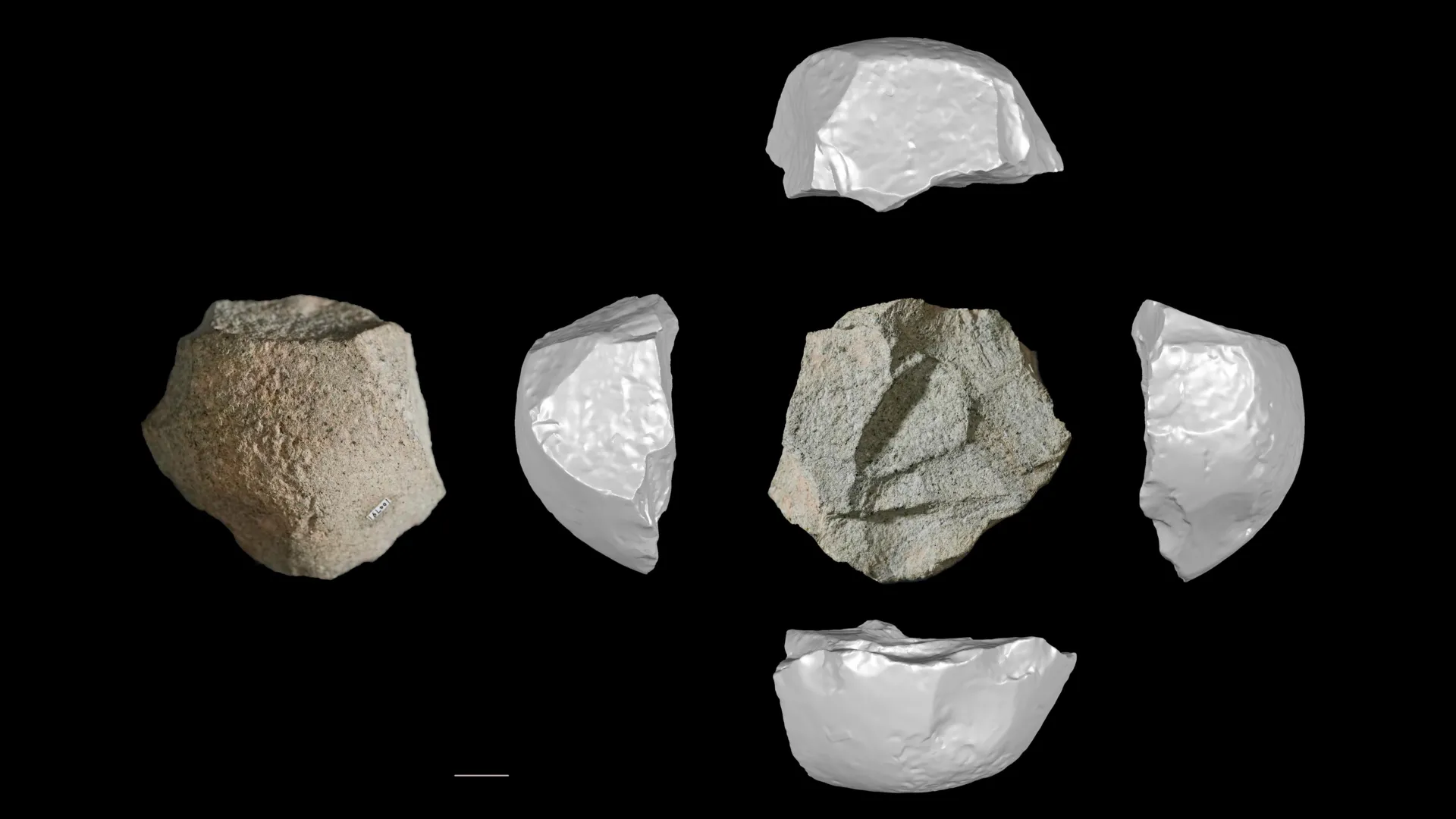
- Archaeologists found advanced tools dating back 146,000 years in central China.
- The Lingjing site challenges beliefs about creativity during harsh ice ages.
- Homo juluensis exhibited advanced technology and cognitive abilities beyond past assumptions.
- Calcite crystals in bones helped refine the site’s dating and context.
Adaptation Amid Adversity
Recent discoveries at the Lingjing archaeological site in central China challenge long-held beliefs about human innovation. Archaeologists extracted sophisticated stone tools dating back 146,000 years. This period falls firmly within a brutal ice age—not during the warmer times that scientists once assumed. The findings force us to rethink the relationship between creativity and environmental stability.
People often think creativity flourishes in abundant times. However, the evidence from Lingjing suggests otherwise. Harsh environments may drive innovation. As food sources dwindled and living conditions became severe, early humans had to adapt. The tools created by Homo juluensis reflect a level of engineering and foresight once thought limited to Neanderthals or our own ancestors in Africa.
The intricate designs of these tools reveal a remarkable understanding of stone properties. These ancient people employed a systematic approach to tool-making that required foresight and skill. This level of intelligence showcases that technological advancement is not confined to well-documented cultures in Europe and Africa but includes early East Asian populations as well.
Rethinking Human Evolution
The age of the Lingjing site introduces a significant shift in our understanding of human history. Previous estimates placed these tools at 126,000 years old. New analyses using calcite crystals from animal bones date them to 146,000 years ago, during a glacial period. This minor update has substantial implications for how we view human adaptability.
Understanding that Homo juluensis crafted these tools in extreme conditions changes our perspective on their cognitive abilities. The site acted as a butchering station where early humans processed deer, utilizing stone tools with precision. Some tools in the collection display advanced design, emphasizing the creators’ deep understanding of the materials at their disposal.
The Lingjing discoveries challenge the notion that early technological advancements required stable climates. Instead, they emphasize the resilience and ingenuity of ancient peoples who, facing adversity, developed solutions that aid survival. These findings highlight a richer narrative of human evolution in East Asia, where intelligence and adaptability emerged out of necessity.
Discover More Technology Insights
Stay informed on the revolutionary breakthroughs in Quantum Computing research.
Discover archived knowledge and digital history on the Internet Archive.
TechV1
