

Essential Insights
- Helmets believed to be Roman are now identified as medieval artifacts.
- Discovery highlights active arms trading across the Late Middle Ages.
- New analytical methods confirmed helmets dated to the 14th-15th centuries.
- Findings provide insight into weapon movement amid Mediterranean conflict dynamics.
Reframing Historical Narratives
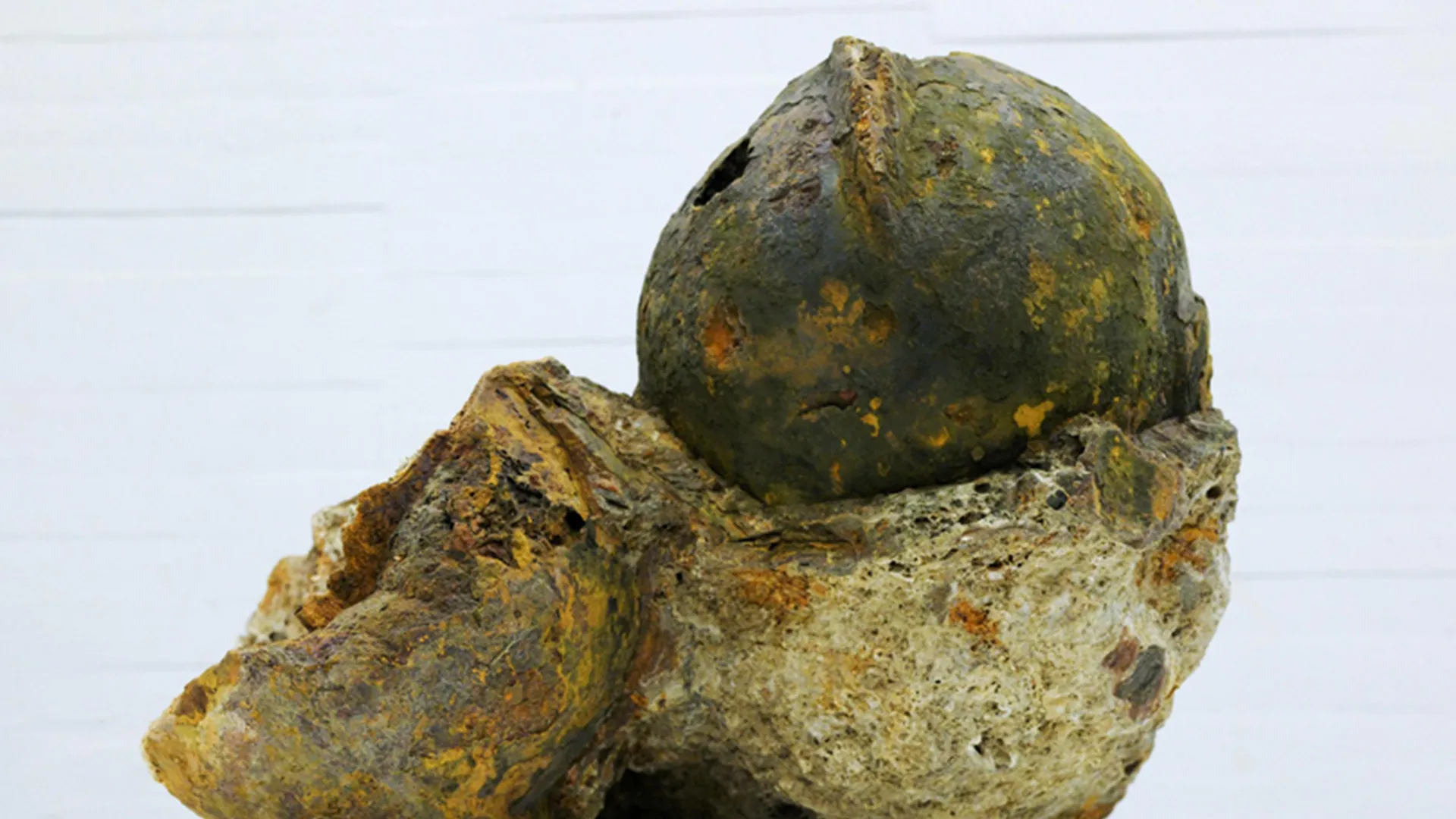
For over three decades, historians lamented the loss of Roman artifacts in Spain. They believed a trove of helmets, salvaged from the Mediterranean Sea, belonged to ancient Rome. Recent research, however, upends this narrative. These helmets date from the late 14th to early 15th centuries, anchoring them firmly in the medieval period. This revelation introduces a new lens through which to view our understanding of the Middle Ages and the complexities of trade and warfare during this time.
The study, conducted by researchers at the University of Alicante, employed advanced analytical methods. While archaeologists previously struggled to classify these artifacts, this new technique brought clarity. Carbon-14 dating and fabric analysis helped pinpoint the helmets’ origins with startling precision. The researchers found these artifacts were not mere relics but windows into a thriving system of arms trading, connected across the Mediterranean.
Insights into Mediterranean Dynamics
The discovery highlights the sophistication of medieval societies. Rather than a simple exchange of goods, this represents an intricate network of military logistics and commerce. The shipment likely linked Valencia to powerful trading centers like Genoa. It suggests organized transportation systems were in place long before modern practices emerged.
Arms trading became more prevalent during periods of instability, spurred by piracy and regional conflicts. The 14th century saw various groups vying for power along the coastline. These helmets may have served local militias or royal forces, protecting them from emerging threats. Each helmet now stands as a testament to the transformative nature of medieval society, revealing a forgotten chapter of history that underscores the importance of reexamining our assumptions.
This finding reshapes our understanding of the past, proving how vital it is to challenge existing narratives. The journey from misidentified relics to valuable insights exemplifies the role of modern research techniques in unveiling hidden stories. As we look forward, we should remain open to what new discoveries await beneath the surface.
Stay Ahead with the Latest Tech Trends
Explore the future of technology with our detailed insights on Artificial Intelligence.
Access comprehensive resources on technology by visiting Wikipedia.
TechV1
