

Fast Facts
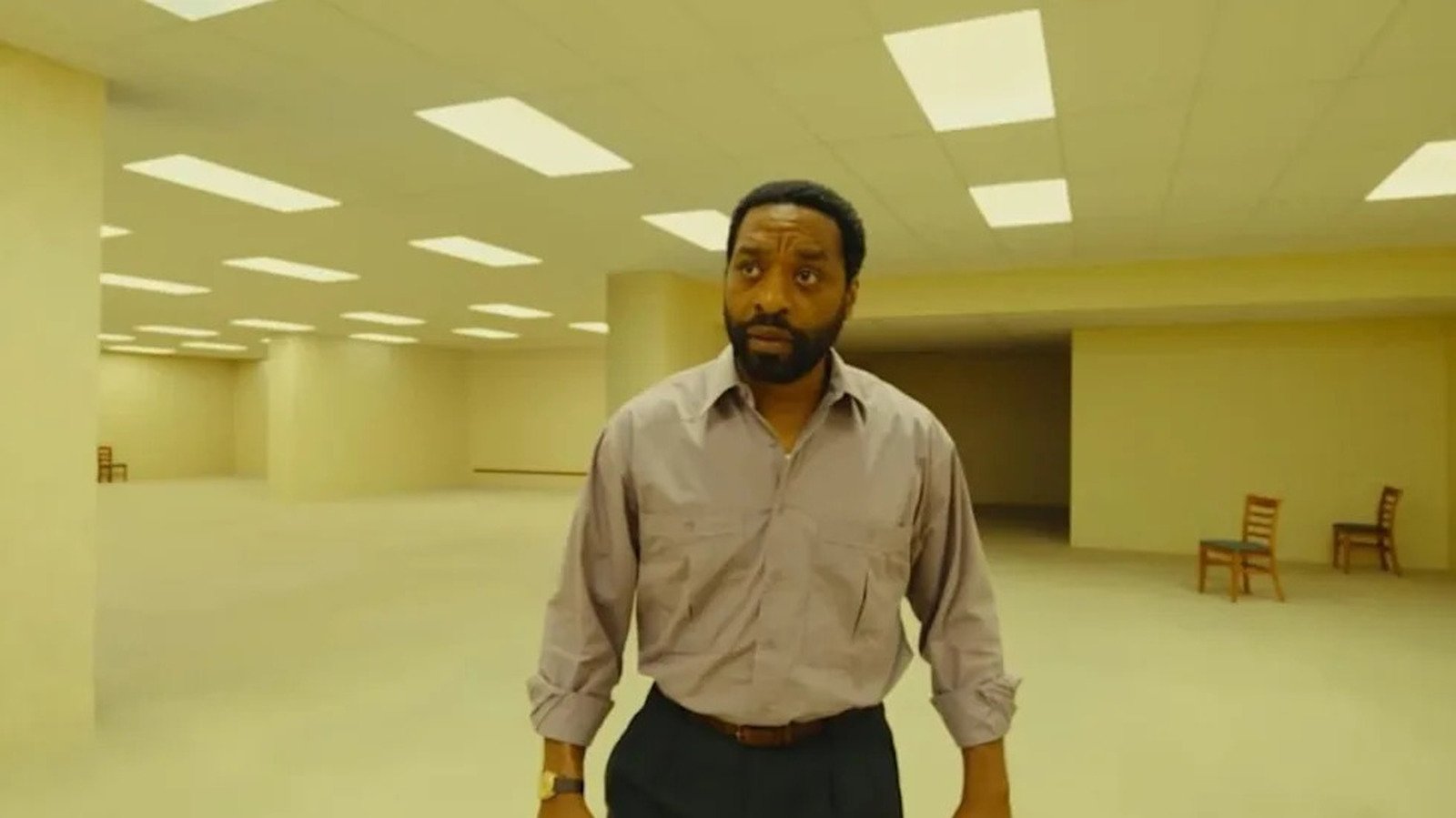
- Kane Parsons, a teenager who gained fame through YouTube shorts, directed a successful horror film “Backrooms” at age 17, highlighting the internet’s role in developing new Hollywood talent.
- The film “Backrooms” effectively uses tension and dread, demonstrating that compelling horror can come from young, internet-based creators.
- Historically, Hollywood has sourced new talent from cheaper, accessible mediums like live TV, VHS, and now the internet, with Parson’s success exemplifying this trend.
- The movie capitalizes on the unsettling concept of liminal spaces, inviting viewer imagination by avoiding explanations, and emphasizing atmosphere over character depth.
The Rise of Internet Talent in Modern Cinema
The story of *Backrooms* highlights how the internet is transforming the film industry. A young filmmaker, who self-taught himself using tools like Adobe After Effects and Blender, gained fame with his short films. Now, at just 17, he’s directing a full-length horror movie. This isn’t just a story of success; it shows that the internet is becoming a launching pad for new talent. It’s easier than ever for creators to showcase their work online, get noticed, and make the leap to Hollywood. This trend proves that the future of cinema comes from the digital world, where fresh ideas can grow quickly and independently. As more filmmakers experiment with online platforms, the industry gains new perspectives and innovative storytelling techniques. Ultimately, the internet is opening doors that were once closed, giving rise to a new generation of filmmakers who are redefining what movies can be.
Innovations in Filmmaking and Storytelling
*Backrooms* also demonstrates how digital tools and online communities influence modern horror movies. Starting from a creepy internet legend—called a creepypasta—this story was born on an image board popular among online users. The concept of liminal spaces—ordinary places that feel unsettling—has deep roots in horror classics but has found new life online. Now, filmmakers use these ideas to create atmospheres that feel both familiar and disturbing. The movie itself transitions from low-res VHS footage to sharp 4K visuals, showing how technological upgrades help bring digital stories to a wider audience. It’s exciting because it means creators can initially produce on a smaller scale and then expand their work with improved quality. These innovations allow filmmakers to craft more immersive experiences. The combination of creative storytelling and technological enhancements makes internet-born projects more compelling and relevant.
The Future of Cinema Is Digital and Diverse
Looking ahead, the potential for online creators to influence mainstream cinema is enormous. Short videos and web series are no longer just for quick entertainment—they’re launching careers and creating new genres. Every successful filmmaker once started with simple tools—film cameras, VHS tapes, or even smartphones. Today’s content creators use their phones and editing apps to produce high-quality work that can reach millions. This democratization of filmmaking means more diverse voices and stories in the industry. As the boundaries between internet content and traditional film dissolve, audiences will see more innovative and authentic movies. The thrill is that anyone with a camera and an idea can be the next big director. For cinema’s future, this evolution is not just beneficial; it’s essential. The internet isn’t just a platform for sharing; it’s a testing ground for the art of storytelling itself.
Continue Your Tech Journey
Learn how the Internet of Things (IoT) is transforming everyday life.
Stay inspired by the vast knowledge available on Wikipedia.
CellphonesV1
