

Quick Takeaways
- Many countries are restricting social media access for children and teens.
- Australia was the first to implement a ban for users under 16.
- Concerns include privacy issues and potential ineffectiveness of the bans.
- Several other countries are also proposing similar legislation aimed at protection.
Global Movements Against Social Media Access for Minors
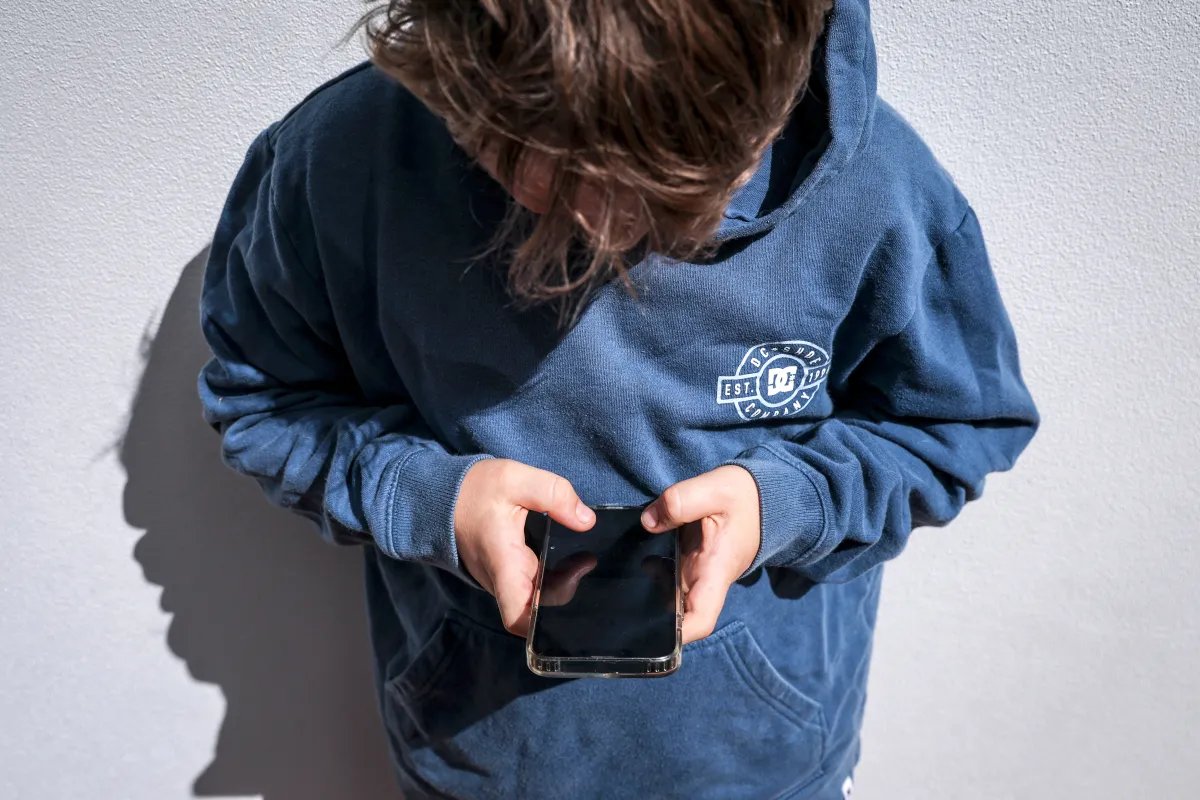
Over recent months, many countries have taken significant steps to restrict social media access for children and teenagers. Australia led the charge late last year, becoming the first nation to implement a ban on social media for users under 16. This pioneering legislation sets a standard that other countries are eager to follow. Nations are increasingly focusing on the dangers that young users face online, including cyberbullying, addiction, and exposure to potentially harmful interactions.
Australia’s regulations demand that social media platforms implement robust age verification measures. These measures prohibit children from accessing popular platforms like Facebook, Instagram, and TikTok. Failing to comply with these rules could lead to hefty penalties—up to $49.5 million AUD. Other countries are now taking similar actions. Austria aims to finalize its ban for children under 14 by June. Canada and Denmark are also evaluating measures to protect young users under 16, following Australia’s model.
Countries like Greece and Indonesia are stepping up as well, with Greece set to enforce a ban for children under 15 starting next year. Indonesia plans to restrict access for users under 16 across various platforms, emphasizing the urgent need for measures that address rising mental health concerns among youth.
Concerns and Critiques Surrounding Social Media Bans
Despite the growing momentum for these bans, significant concerns arise regarding privacy and government overreach. Critics argue that establishing invasive age verification methods could infringe upon children’s rights and personal freedoms. Amnesty Tech points out that simply restricting access does not tackle the underlying issues kids face online.
Countries and lawmakers must find a balance between protecting children and respecting their rights. The digital landscape is constantly evolving and our understanding of technology has not kept pace. As countries like Germany and Spain contemplate their own restrictions, they face the dilemma of defining effective policies that genuinely protect young users without curtailing their freedoms.
While the intention behind these measures is undeniably noble, real-world effectiveness remains uncertain. Governments must engage in a deeper dialogue with tech companies and advocacy groups. This collaborative approach can yield solutions that address the complexities of digital safety while respecting user privacy and autonomy.
If global leaders wish to protect youth from social media’s darker sides, they must ensure that their actions promote safety without sacrificing essential freedoms. The road ahead is fraught with challenges, but the stakes for our children demand that we navigate it wisely.
Continue Your Tech Journey
Learn how the Internet of Things (IoT) is transforming everyday life.
Discover archived knowledge and digital history on the Internet Archive.
TechV1
