

Quick Takeaways
- Penn State researchers convert discarded plastic into high-quality battery graphite.
- They used shredded PET plastic and graphene oxide for efficient conversion.
- The new process avoids metal catalysts, reducing impurities and chemical waste.
- If scaled, it could address plastic waste and meet graphite demand.
Your next EV battery could start life as a plastic water bottle
Transforming Waste into Valuable Resources
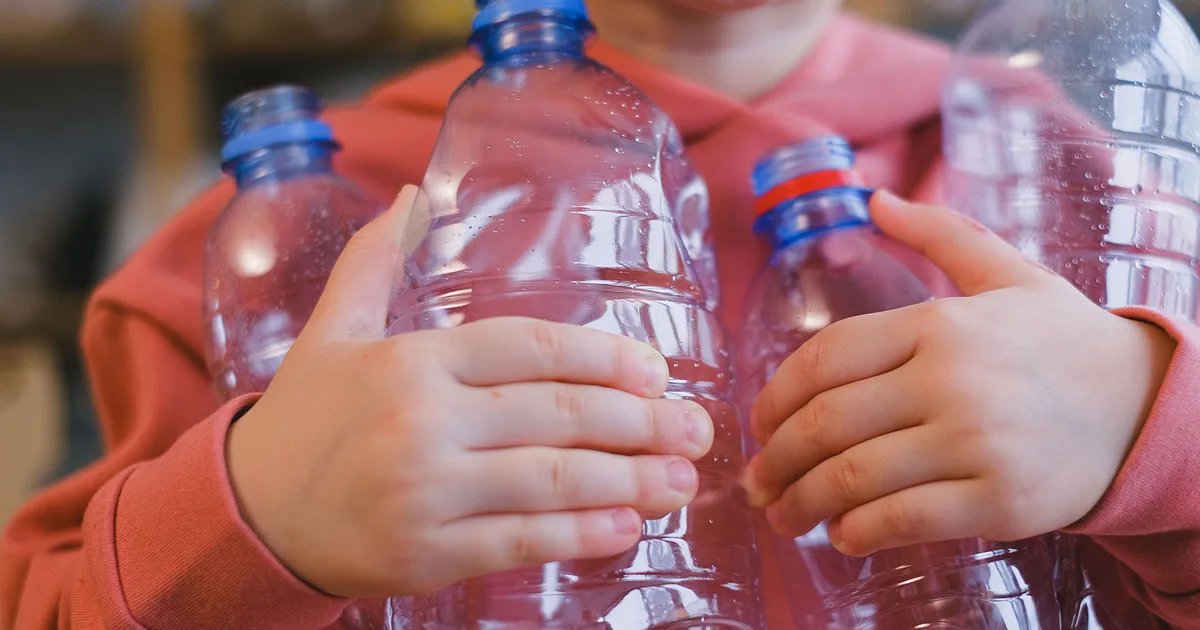
Plastic bottles often end up in landfills or, worse, pollute our environment. Researchers at Penn State University aim to change that narrative. They discovered a process to convert discarded PET (polyethylene terephthalate) plastic—the material in most water bottles—into high-quality battery graphite. This innovative approach not only helps recycle waste but also creates a vital component for future technology.
Graphite serves as one of the essential materials in lithium-ion batteries. It acts as the anode, storing and releasing electrical charge. The Penn State team has shown that PET-derived graphite can outperform some natural graphite in terms of structure, a significant advancement for battery technology. Their method involves shredding the plastic, mixing it with graphene oxide, and heating the mixture in controlled conditions. This process yields a more organized graphite structure while minimizing impurities.
Addressing Dual Challenges
The need for high-quality graphite grows alongside the increasing demand for electric vehicles and energy storage systems. The U.S. Department of Energy classifies graphite as a critical mineral. As the market expands, so does the urgency to secure sustainable sources. Researchers believe this method could provide one.
The benefit isn’t just environmental; it’s also about practicality. By using graphene oxide instead of metal catalysts like iron or cobalt, the Penn State team can produce cleaner graphite. This reduces chemical waste and simplifies the manufacturing process, boosting the efficiency of battery production.
The technology still needs validation at an industrial scale and thorough testing for long-term performance in batteries. The prospect of turning plastic waste into battery-grade graphite offers hope. It addresses two pressing issues: fighting plastic pollution and securing a key material for future technology. If successful, this innovation could pave the way for a more sustainable future in electric vehicles and beyond.
Expand Your Tech Knowledge
Dive deeper into the world of Cryptocurrency and its impact on global finance.
Access comprehensive resources on technology by visiting Wikipedia.
TechV1
