
Close Menu
    Facebook X (Twitter) Instagram
    Wednesday, May 13
    Top Stories:
    • Revitalizing Time: Scientists Rejuvenate Old Blood Stem Cells
    • Unlocking Nature’s Secret: A Breakthrough in Cancer-Fighting Plant Compounds
    • $30M Settlement: DOJ Takes Action on PayPal’s Minority Business Practices
    Facebook X (Twitter) Instagram Pinterest Vimeo
    IO Tribune
    • Home
    • AI
    • Tech
      • Gadgets
      • Fashion Tech
    • Crypto
    • Smart Cities
      • IOT
    • Science
      • Space
      • Quantum
    • OPED
    IO Tribune
    Home » Unlocking Movement: How Brain Waves Could Restore Mobility for Paralyzed Patients
    Tech

    Unlocking Movement: How Brain Waves Could Restore Mobility for Paralyzed Patients

    Lina Johnson MercilliBy Lina Johnson MercilliJanuary 24, 2026No Comments3 Mins Read
    Share Facebook Twitter Pinterest LinkedIn Tumblr Reddit Telegram Email
    Share
    Facebook Twitter LinkedIn Pinterest Email

    Essential Insights

    1. Communication Breakdown: Spinal cord injuries prevent brain signals from reaching limbs, often leaving nerves healthy but disconnected, prompting researchers to seek non-invasive solutions for restoring movement.

    2. EEG Innovation: A study explored using electroencephalography (EEG) to capture brain signals associated with movement, potentially enabling reconnection to paralyzed limbs without the risks of invasive brain implants.

    3. Signal Detection Challenges: EEG faces limitations in detecting deeper brain signals needed for lower limb movements, but it performs better for upper limbs, inspiring the need for advanced analysis techniques.

    4. Machine Learning Advancements: Researchers utilized machine learning to interpret EEG data, achieving successful differentiation between movement attempts; future improvements aim to refine the algorithm for specific actions, enhancing recovery prospects for those with spinal injuries.

    Reconnecting Brain and Body

    People with spinal cord injuries often face immense challenges. They lose the ability to move their arms or legs, while the nerves in these limbs often remain intact. Surprisingly, their brains continue to function normally. This disconnection occurs because damage to the spinal cord blocks signals traveling between the brain and the body. Researchers have sought ways to restore this communication without the risky process of repairing the spinal cord itself. A promising avenue involves using electroencephalography, or EEG, to bridge this gap.

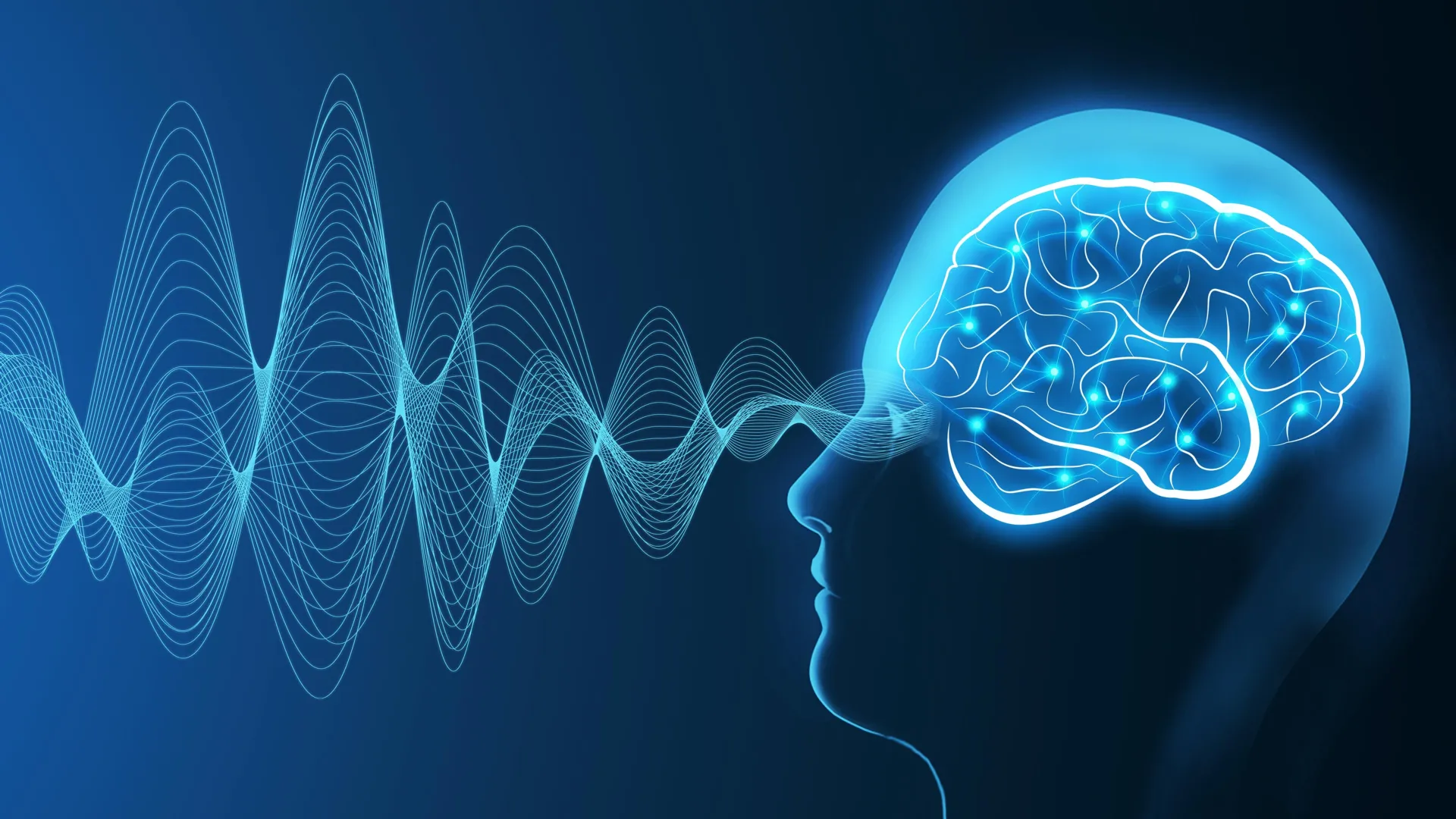
    Studies reveal that when individuals attempt to move a paralyzed limb, their brains still produce electrical activity related to that action. EEG can capture these signals. If we can decode and interpret them, we can send them to a spinal cord stimulator. This stimulator would potentially activate the nerves that control movement in the affected limb. While this method appears promising, it also faces some challenges.

    Advancing Noninvasive Solutions

    You may be familiar with earlier studies that depended on surgically implanted electrodes. Although they have shown some success, researchers aim to avoid these pitfalls. EEG systems present a safer alternative, using caps covered with electrodes to record brain activity from the scalp. This noninvasive approach reduces risks associated with surgical procedures, such as infections.

    However, EEG is not without its limitations. Because the electrodes sit on the head’s surface, they struggle to detect signals originating deeper within the brain, especially for lower limb movements. These signals are harder to capture since they come from the brain’s central areas, contrasting with more accessible upper limb signals.

    Researchers are hopeful that machine learning can help interpret the complex data obtained from EEG readings. By analyzing this data, they distinguishing between moments of attempted movement and periods of stillness, although differentiating between specific movements remains challenging. As they refine their algorithms, researchers suggest that it could eventually lead to meaningful advancements. If successful, this noninvasive method might one day help individuals recover movements after paralysis, marking a significant step in medical technology and human resilience.

    Stay Ahead with the Latest Tech Trends

    Stay informed on the revolutionary breakthroughs in Quantum Computing research.

    Stay inspired by the vast knowledge available on Wikipedia.

    TechV1

    Innovation Management Tech technology VT1
    Share. Facebook Twitter Pinterest LinkedIn Tumblr Email
    Previous ArticleUnraveling Stonehenge: New Theories Emerge as Old Ones Fade
    Next Article Ripple’s Ongoing Bear Trend: XRP Price Analysis
    Avatar photo
    Lina Johnson Mercilli
    • Website

    Lina Johnson Marcelli is the editor for IO Tribune, bringing over two decades of experience in journalism to her role. With a BA in Journalism, she is passionate about delivering impactful stories that resonate with readers. Known for her keen editorial vision and leadership, Lina is dedicated to fostering innovative storytelling across the publication. Outside of work, she enjoys exploring new media trends and mentoring aspiring journalists.

    Related Posts

    AI

    Python Reproduction of Word Vectors for Sentiment Analysis

    May 13, 2026
    Gadgets

    Samsung Announces Upcoming Wave of One UI 9 Beta

    May 13, 2026
    Space

    Chasing Shadows: 24 Hours of Birding Adventures with Teens

    May 13, 2026
    Add A Comment

    Comments are closed.

    Must Read

    Python Reproduction of Word Vectors for Sentiment Analysis

    May 13, 2026

    Samsung Announces Upcoming Wave of One UI 9 Beta

    May 13, 2026

    Chasing Shadows: 24 Hours of Birding Adventures with Teens

    May 13, 2026

    SharpLink: Key Indicators of Ethereum’s Long-Term Adoption

    May 13, 2026

    Enhancing Quantum Circuit Reliability | MIT News

    May 13, 2026
    Categories
    • AI
    • Crypto
    • Fashion Tech
    • Gadgets
    • IOT
    • OPED
    • Quantum
    • Science
    • Smart Cities
    • Space
    • Tech
    • Technology
    Most Popular

    Unveiling the Hidden Culprit: Brain Fat and Alzheimer’s Connection

    September 25, 2025

    Voices of the Cosmos: Perseverance’s Journey Through Deep Space

    April 29, 2025

    Chasing Peaks: Unleashing Speed in the Dolomites

    February 12, 2026
    Our Picks

    Revolutionizing Quantum Computing: The Open-Source Breakthrough

    February 2, 2026

    Robotaxi Firms Keep Remote Assistance Frequency a Secret

    March 31, 2026

    Gold Defies Limits: Surviving Extreme Heat!

    August 12, 2025
    Categories
    • AI
    • Crypto
    • Fashion Tech
    • Gadgets
    • IOT
    • OPED
    • Quantum
    • Science
    • Smart Cities
    • Space
    • Tech
    • Technology
    • Privacy Policy
    • Disclaimer
    • Terms and Conditions
    • About Us
    • Contact us
    Copyright © 2025 Iotribune.comAll Rights Reserved.

    Type above and press Enter to search. Press Esc to cancel.