

Quick Takeaways
- Researchers are testing technologies to destroy PFAS, known as “forever chemicals.”
- The two methods involve hydrodynamic cavitation and cold atmospheric plasma.
- Initial tests showed successful degradation and release of fluoride from PFAS.
- Future efforts aim to combine both techniques for better treatment efficiency.
Innovative Approaches to Combat Forever Chemicals
Scientists at Helmholtz-Zentrum Dresden-Rossendorf (HZDR) have made significant strides in destroying per- and polyfluoroalkyl substances (PFAS). These industrial chemicals, commonly known as “forever chemicals,” pose serious environmental and health risks due to their resistance to natural breakdown processes. Researchers are testing two promising technologies: hydrodynamic cavitation and cold atmospheric plasma.
The hydrodynamic cavitation approach harnesses tiny vapor bubbles in contaminated water. When these bubbles collapse, they create intense heat and pressure. This process leads to temperature spikes of thousands of degrees Celsius. The extreme conditions can effectively degrade PFAS molecules, especially long-chain variants like perfluorooctane sulfonate (PFOS). Initial tests have shown promising results, with about 37% degradation of PFOS and significant release of fluoride, a clear indicator of broken carbon-fluorine bonds. Researchers aim to increase the degradation rate above 80% while mineralizing more than half of the fluorine.
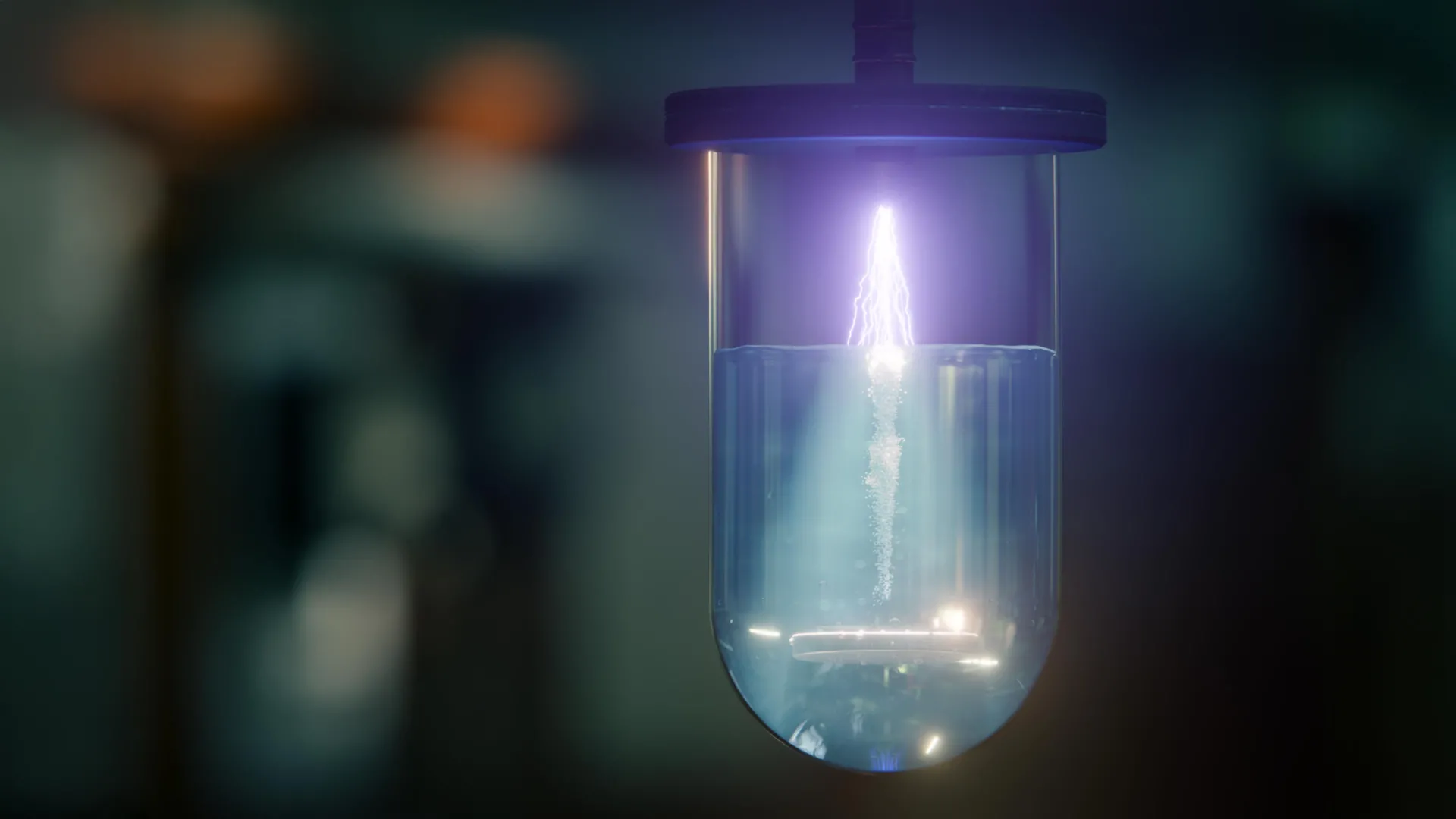
The cold atmospheric plasma method offers a quicker alternative. It generates plasma at the water surface while introducing gas into it. The PFAS clings to gas bubbles, which rise through the water and are subjected to reactive plasma. This technique almost completely degrades both long-chain and short-chain PFAS. However, it demands more energy and produces various transformation products, some of which require further investigation for potential health risks.
Path to Practical Solutions
Once these technologies achieve commercial viability, industries could effectively treat contaminated wastewater, preventing PFAS from entering rivers and oceans. This aligns with Germany’s “National Water Strategy,” aimed at safeguarding water resources and ensuring safe drinking water. Tackling PFAS requires more than just removal; it necessitates systematic destruction.
The researchers plan to combine both methods into a single, more efficient system. This integrated approach could harness the strengths of each technology, potentially leading to greater degradation rates and safety in processes. The ongoing development and evaluation of these methods exemplify the critical role of innovation in combating environmental challenges. As research progresses, these advancements may pave the way for practical, large-scale solutions to a persistent global problem.
Continue Your Tech Journey
Learn how the Internet of Things (IoT) is transforming everyday life.
Discover archived knowledge and digital history on the Internet Archive.
TechV1
