
Close Menu
    Facebook X (Twitter) Instagram
    Tuesday, August 11
    Top Stories:
    • Apple May Overcome OLED iMac Challenges—But Launch Is Years Away
    • Galaxy S26 FE Specs Leak: Is Samsung Still Playing It Safe?
    • Volkswagen Elevates the Atlas Cross Sport: More Power, Features, and Style
    Facebook X (Twitter) Instagram Pinterest Vimeo
    IO Tribune
    • Home
    • AI
    • Tech
      • Gadgets
      • Fashion Tech
    • Crypto
    • Smart Cities
      • IOT
    • Science
      • Space
      • Quantum
    • OPED
    IO Tribune
    Home » Why China’s AI Sticks to Nvidia Chips Despite Local Alternatives
    Tech

    Why China’s AI Sticks to Nvidia Chips Despite Local Alternatives

    Lina Johnson MercilliBy Lina Johnson MercilliAugust 10, 2026No Comments3 Mins Read
    Share Facebook Twitter Pinterest LinkedIn Tumblr Reddit Telegram Email
    Share
    Facebook Twitter LinkedIn Pinterest Email

    Top Highlights

    1. China’s top AI models still rely on Nvidia chips due to costs.
    2. Switching to local semiconductors faces high engineering and software challenges.
    3. Nvidia’s CUDA remains industry’s standard, while alternatives need extensive rewriting.
    4. Migrating to Huawei’s chips could increase training time and expenses significantly.

    Why China Still Depends on Nvidia Chips for AI Training

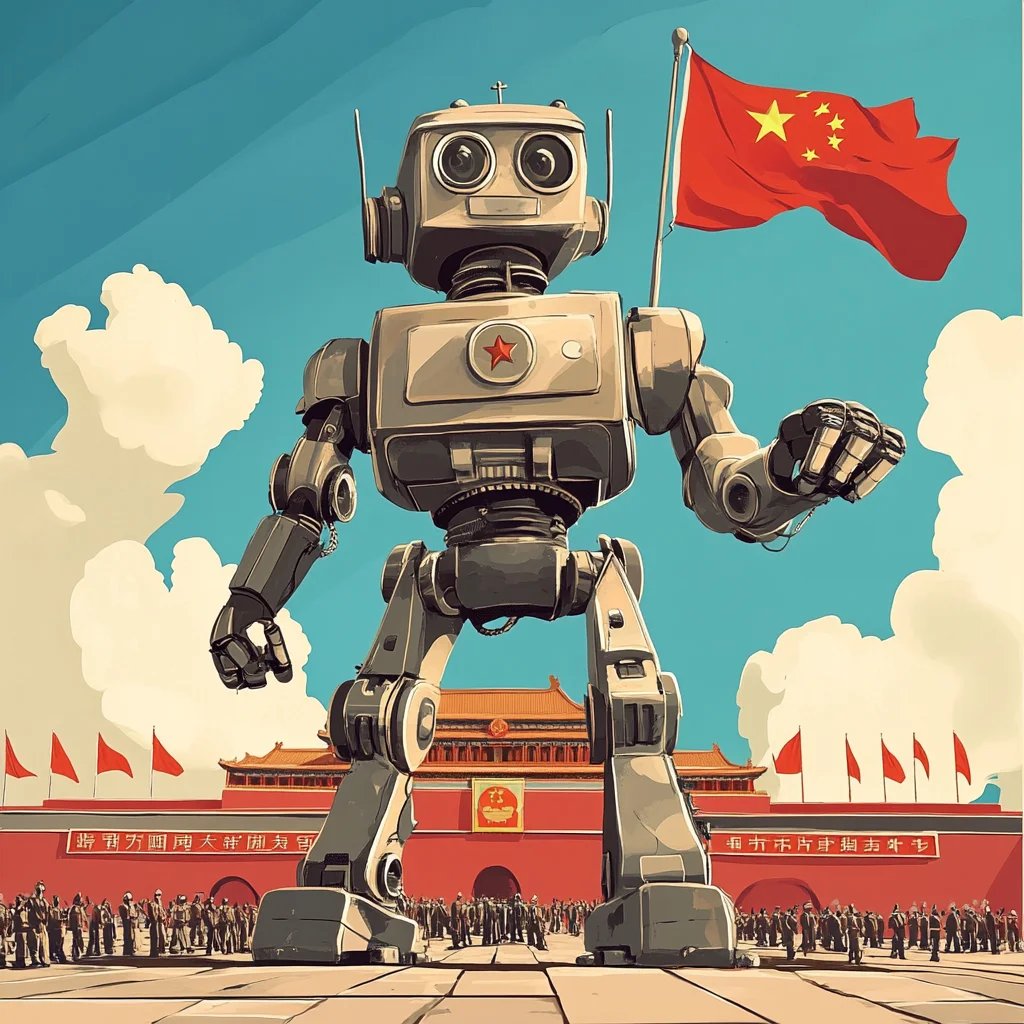
    China’s leading AI models continue to be trained using Nvidia chips. This is mainly because transitioning to local hardware remains a major challenge. Although Chinese companies are making progress in developing domestic chips, switching to them involves more than just hardware. The cost of changing equipment and processes is very high. Many companies have already built their AI systems around Nvidia’s technology, especially its CUDA platform. Because of this, many developers prefer to stay with Nvidia, which offers a reliable and well-established ecosystem.

    However, the main obstacle lies in software compatibility. Nvidia’s CUDA is the industry standard for AI development. In contrast, China’s homegrown chips, like Huawei’s Ascend, operate on different systems. These new platforms often require rewriting large parts of AI code, which can be very time-consuming and expensive. For example, rewriting existing training pipelines can increase costs by at least 50%. As a result, most Chinese AI developers find it difficult to switch without risking delays and higher expenses. Even with domestic hardware advancing, the current software ecosystem makes a full transition impractical in the near future.

    Practicality, Costs, and the Future of Local Tech

    Many industry experts believe that switching to local chips is not just a technical challenge but also a practical one. Currently, the cost and effort needed to migrate large models and existing workflows act as a strong deterrent. For Chinese AI companies, maintaining productivity and avoiding delays is crucial. Thus, for now, Nvidia chips remain the preferred choice for training advanced AI models.

    At the same time, China continues to develop its semiconductor industry. But building a new ecosystem for AI training takes time. The process involves not just hardware innovation but also creating compatible software tools. This ongoing effort reflects China’s broader goal of achieving technological independence. While domestic chips will improve over time, a complete switch will require strategic investments and breakthroughs in software compatibility. Until then, Nvidia’s dominance in AI training remains unchallenged, as practicality often outweighs the desire for self-sufficiency.

    Continue Your Tech Journey

    Stay informed on the revolutionary breakthroughs in Quantum Computing research.

    Discover archived knowledge and digital history on the Internet Archive.

    TechV1

    Asia China Innovation Tech technology VT1
    Share. Facebook Twitter Pinterest LinkedIn Tumblr Email
    Previous ArticleAccelerate Microbial Engineering with Advanced Bacterial Trait Mapping Platform
    Next Article Aqua Blue: Chic Autumn Trend with Next’s Midi Skirt
    Avatar photo
    Lina Johnson Mercilli
    • Website

    Lina Johnson Marcelli is the editor for IO Tribune, bringing over two decades of experience in journalism to her role. With a BA in Journalism, she is passionate about delivering impactful stories that resonate with readers. Known for her keen editorial vision and leadership, Lina is dedicated to fostering innovative storytelling across the publication. Outside of work, she enjoys exploring new media trends and mentoring aspiring journalists.

    Related Posts

    Tech

    Apple’s 20th Anniversary iPhone Escapes Cancellation Threat

    August 11, 2026
    AI

    AI Unravels Schizophrenia’s Genetic Mysteries

    August 11, 2026
    Space

    Experience the Total Solar Eclipse Live: Free Streams on Aug. 12!

    August 11, 2026
    Add A Comment

    Comments are closed.

    Must Read

    Apple’s 20th Anniversary iPhone Escapes Cancellation Threat

    August 11, 2026

    AI Unravels Schizophrenia’s Genetic Mysteries

    August 11, 2026

    Experience the Total Solar Eclipse Live: Free Streams on Aug. 12!

    August 11, 2026

    Apple May Overcome OLED iMac Challenges—But Launch Is Years Away

    August 11, 2026

    Chasing the Mysteries of Dark Matter at MIT

    August 11, 2026
    Categories
    • AI
    • Crypto
    • Fashion Tech
    • Gadgets
    • IOT
    • OPED
    • Quantum
    • Science
    • Smart Cities
    • Space
    • Tech
    Most Popular

    Unlocking the Future: What’s Next for Lego’s Smart Brick?

    January 13, 2026

    AI Robot Boosts Tomato Harvesting Efficiency

    March 18, 2026

    Whispers of Winter: A Blanket of Snow Envelops North Carolina

    February 6, 2026
    Our Picks

    Awakening Giants: Mars’ Volcano Revealed by NASA’s Orbiter

    June 16, 2025

    Chinese EV Giant Pushing Limits with Supercharger Test

    February 11, 2026

    Google Photos Gains Full Control Over Your Stacks!

    May 28, 2025
    Categories
    • AI
    • Crypto
    • Fashion Tech
    • Gadgets
    • IOT
    • OPED
    • Quantum
    • Science
    • Smart Cities
    • Space
    • Tech
    • Privacy Policy
    • Disclaimer
    • Terms and Conditions
    • About Us
    • Contact us
    Copyright © 2025 Iotribune.comAll Rights Reserved.

    Type above and press Enter to search. Press Esc to cancel.