

Top Highlights
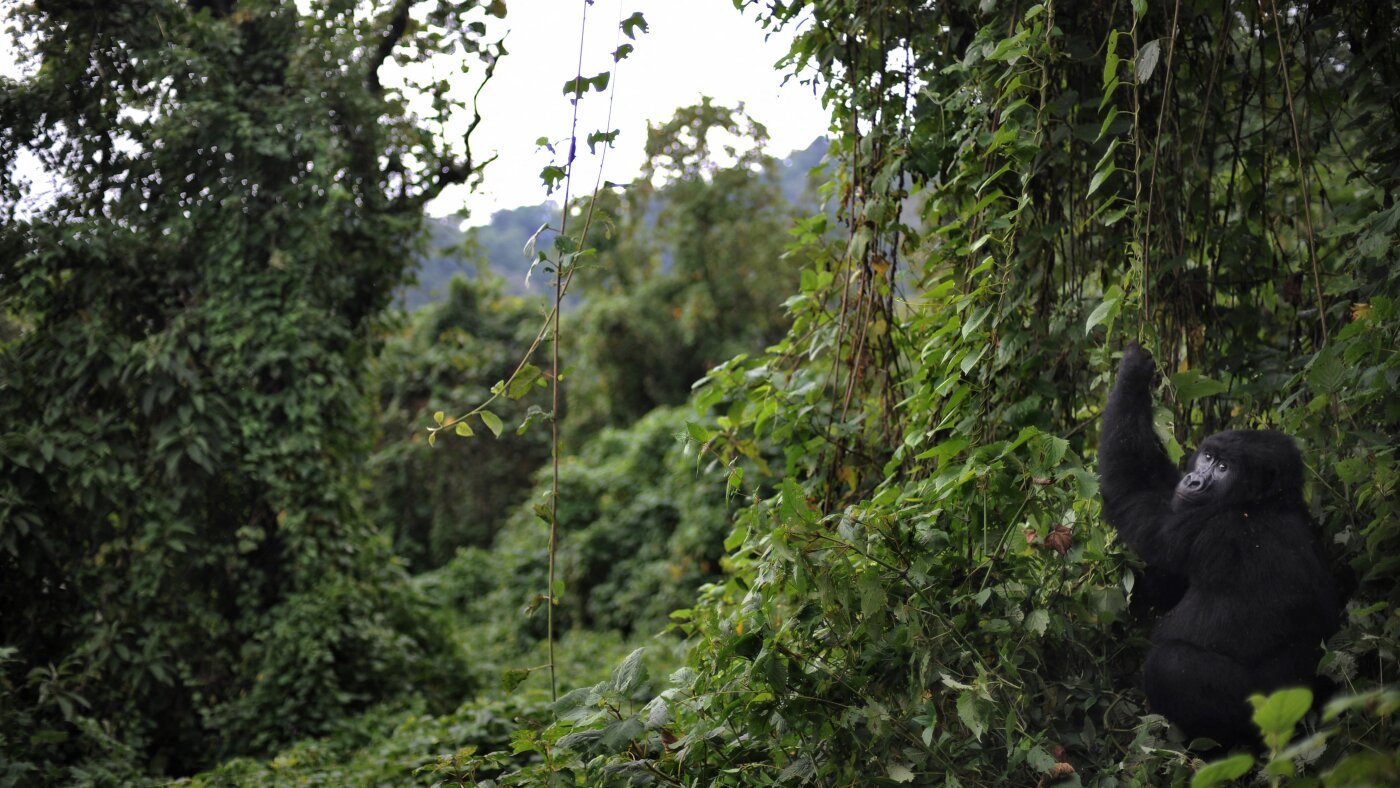
- Virunga National Park hosts about a third of the world’s mountain gorillas.
- Park rangers are building checkpoints to screen for Ebola amidst violence.
- Limited resources and violence hinder efforts to combat the Ebola outbreak.
- Gorilla protection measures are in place due to their Ebola vulnerability.
Protecting Gorillas Amidst an Ebola Crisis
Virunga National Park faces a daunting challenge. The park, home to nearly a third of the world’s mountain gorillas, stands on the front lines of an Ebola outbreak while also battling violence from armed groups. Emmanuel de Merode, the park’s director, illustrates this delicate balancing act. “Most evenings, there are elephants crossing the river,” he notes, but this beauty juxtaposes the harsh realities of disease and conflict.
The park’s rangers set up screening checkpoints for visitors to prevent Ebola from spreading to both humans and gorillas. The park acts as a natural barrier, allowing for thorough health checks that help trace any emerging cases. This proactive measure can turn the tide during an outbreak and protect both local communities and endangered wildlife. De Merode emphasizes the grave risk the virus poses to gorillas. In past epidemics, they suffered heavy losses, with estimates suggesting that up to 98% of infected gorillas perish. Protecting them is crucial and urgent.
The park has limited resources but remains committed. Building screening posts costs around $44,000 each, a significant investment given the park’s budget constraints. Despite these challenges, the park manages essential services like diagnostic rooms and isolation centers to combat the virus. They even provide transportation to local health services, making the park a vital health resource during this crisis.
The Complexities of Response and Support
The humanitarian context complicates these efforts. A severe drop in international aid hinders the response to this Ebola outbreak. In North Kivu Province, health services lack basic supplies like body bags, critical for containing the virus. This scarcity results in higher risks for everyone, as exposure increases without proper materials for Ebola management.
Rangers conduct their work under intense scrutiny and danger. Last week, militia attacks resulted in tragic fatalities among staff. These conditions threaten their ability to monitor and protect the park effectively. The stakes rise significantly as both human and animal populations remain vulnerable.
The lack of international support amplifies the park’s challenges. De Merode warns that this situation could quickly escalate into a regional issue if unchecked. Historically, the park’s management handled previous Ebola outbreaks effectively, but current conditions suggest this effort may demand unprecedented resilience and adaptability.
Combining the challenges of disease control and armed conflict showcases the intricacies of conservation work in vulnerable regions. Protecting gorillas and communities calls for innovative solutions that stretch limited resources. As Virunga National Park confronts this dual threat, it sets an example of how conservation efforts can contribute to broader public health objectives and resilience against outbreaks.
Stay Ahead with the Latest Tech Trends
Explore the future of technology with our detailed insights on Artificial Intelligence.
Access comprehensive resources on technology by visiting Wikipedia.
TechV1
