

Essential Insights
- The Muxcard is an ultra-thin microcomputer, almost credit card-sized.
- It integrates NFC, sensors, Bluetooth, and a flexible E Ink display.
- Durable design uses flexible PCBs to withstand wallet bending and pressure.
- Future computing may evolve towards seamless, everyday objects like the Muxcard.
### A New Era of Ultra-Portable Computing
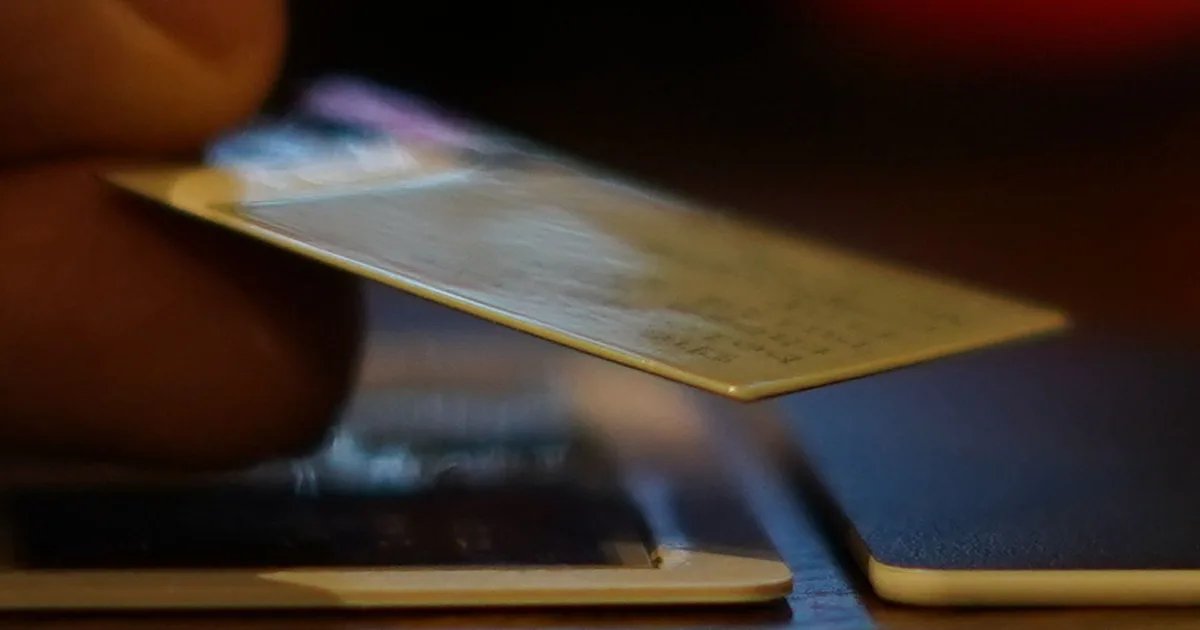
The emergence of the Muxcard signals a revolution in computing devices. This credit card-sized computer encompasses a microcontroller, wireless connectivity, and an E Ink display, all packed into a sleek profile of just 1mm thick. Developed by GitHub user “krauseler,” the Muxcard pushes the boundaries of what technology can accomplish in minimal form factors. It offers a glimpse into the future where computing devices blend seamlessly into daily life.
The Muxcard integrates advanced components, including Bluetooth, Wi-Fi, and NFC capabilities. These features challenge the notion that powerful computing must come in bulky formats. Existing challenges involved not just compressing technology but ensuring durability. Creators navigated these challenges by using flexible PCBs and carefully arranged components to minimize mechanical stress. This innovative design approach highlights the meticulous engineering that underpins such a groundbreaking device.
### Practicality Meets Potential
Initial perceptions may frame the Muxcard as a niche project for enthusiasts. Yet, its potential applications span various sectors. With its E Ink screen, the device conserves energy while displaying static content, making it practical for long-term use. Imagine having secure digital IDs, event passes, or even minimalist smart home controls right in your wallet. The flexibility and low power consumption position the Muxcard as more than just an experiment; it stands as a precursor to future portable computing solutions.
As the technology behind flexible electronics and low-power displays advances, the Muxcard could influence broader adoption of ultra-portable devices. Developers have already made hardware files and firmware available for public use, empowering others to innovate. This open-source approach fosters a vibrant community eager to explore the possibilities of ultra-thin computing, bridging the gap between technology and everyday objects.
Discover More Technology Insights
Stay informed on the revolutionary breakthroughs in Quantum Computing research.
Explore past and present digital transformations on the Internet Archive.
TechV1
