

Quick Takeaways
- Ambient AI turns connected sensors and machines into proactive, real-time systems.
- Edge processing cuts cloud costs while enabling instant, context-aware decisions.
- Applications span farming, shipping, factories, construction, and landslide safety monitoring.
- Adoption faces integration bottlenecks, legacy-device costs, and continuous-learning challenges.
Intelligence Moves Into the Environment
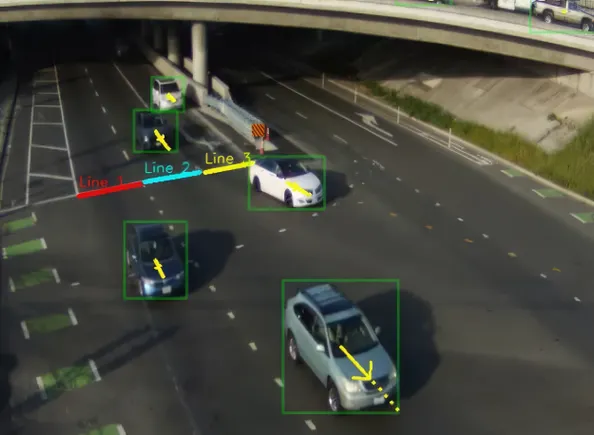
Ambient intelligence pairs sensors, connected devices and AI to help machines respond to changing conditions. Edge AI processes information close to where it is collected, rather than sending every task to a distant cloud server. As a result, systems can act faster and may use less network capacity.
On a farm, connected equipment can sense field conditions and share updates to help coordinate work. At sea, ships can combine camera, radar and location data to improve awareness and avoid collisions. These systems point toward a broader shift: Machines are beginning to respond to what is happening around them, not just wait for instructions.
Practical Gains, With Human Benefits
Local processing can lower cloud and bandwidth costs. It can also support timely alerts. In Alaska’s Denali National Park, sensors track movement at a landslide near a major road. Automated alerts help staff make safety and maintenance decisions using current measurements.
The scientific opportunity is also significant. Data from cameras, microphones and environmental sensors can help robots adapt to changing work conditions. In factories, that could improve production and safety. In daily life, more responsive systems may make services easier to use and help people get support sooner.
Still, faster decisions do not guarantee better outcomes. Systems need reliable data, clear limits and human oversight, especially when safety is at stake.
Progress Depends on Careful Integration
Many organizations must connect new AI tools to older equipment. Replacing thousands of devices can be costly, so some start with gateways that link existing sensors to newer systems. Yet connections between machines and software can create bottlenecks. A delayed message may disrupt work across an entire production line.
For ambient intelligence to deliver lasting value, companies must test how devices communicate, protect sensitive data and plan for failures. The goal is not autonomy for its own sake. It is a dependable loop in which systems sense conditions, act appropriately and improve through real-world use.
Expand Your Tech Knowledge
Dive deeper into the world of Space and its vast mysteries.
Stay inspired by the latest discoveries from NASA.
IoTV1
