

Summary Points
- NASA’s Artemis II astronauts were safely recovered from Orion after splashdown.
- Tim Goddard oversees complex operations for open water recovery and training.
- The recovery involves boats, helicopters, and over 50 personnel coordination.
- Goddard has extensive experience and felt immense relief during the operation.
The Role of Tim Goddard in NASA’s Artemis Recovery Mission
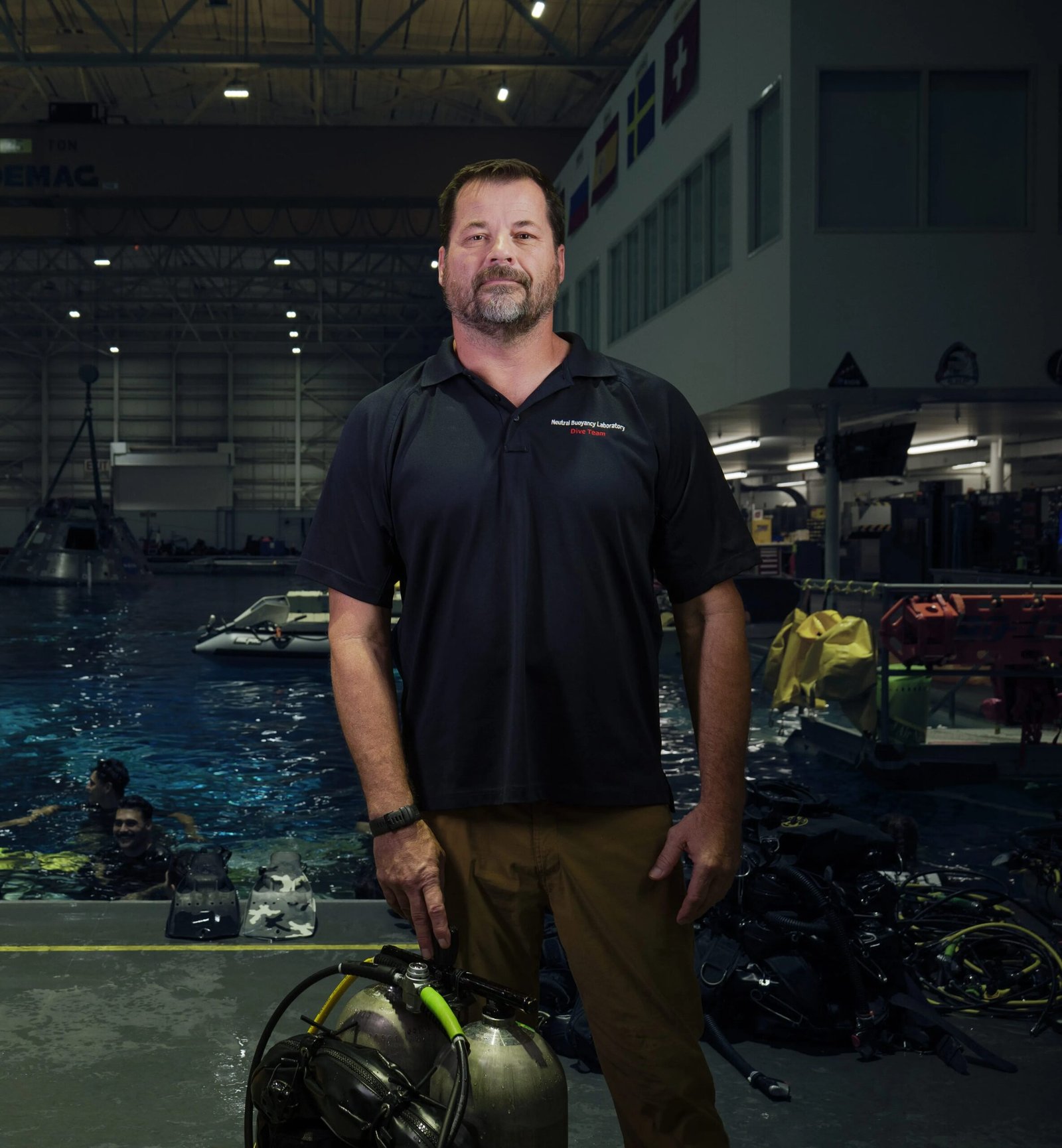
Tim Goddard serves as NASA’s open water lead, overseeing the crucial recovery of astronauts and their Orion spacecraft. After the Artemis II mission’s historic flight around the Moon, Goddard and his team played a pivotal role in the complex recovery operation. They successfully retrieved the crew from the Pacific Ocean, off the San Diego coast, under challenging conditions.
Goddard’s responsibilities are extensive. He ensures the design, certification, procurement, and training for both NASA and Navy personnel involved in recovery. This includes managing operations and hardware needed for the safe extraction of astronauts from the open ocean. “This is a very complex set of operations,” Goddard remarked, highlighting the coordination necessary among multiple assets, including six small boats, four helicopters, and a host Navy ship. Over 50 team members contribute on the water, managing a tightly choreographed dance of logistics and safety.
Extensive preparation is key. Goddard’s team conducts rigorous training sessions to refine their skills. They begin at the Neutral Buoyancy Laboratory at NASA’s Johnson Space Center, where they rehearse recovery scenarios. This indoor pool simulates the conditions they will face during the actual mission. They then progress to bay and open ocean operations off San Diego. “By the time they do the real mission, they have hours and hours on each type of facet or each phase of that recovery,” Goddard noted. This repetitive practice ensures the team is well-prepared for every eventuality.
Challenges and Triumphs of Crew Recovery
Goddard’s experience is extensive, marking his third recovery of an Orion capsule. His team previously executed operations for Exploration Flight Test-1 in 2014 and Artemis I in 2022. The difference with Artemis II was significant; this time, humans were aboard. The focus shifted from capsule recovery to prioritizing the astronauts’ safety. Once they were secure, the team turned its attention to retrieving the capsule.
Having joined the Orion recovery team in 2007, Goddard has seen technology and techniques evolve. His background as a Navy diver complements his duties well, allowing him to bring a wealth of experience to the mission. “There was a lot of weight and stress that the other folks and I carried,” he said of the added responsibility. The relief was palpable for Goddard and his team when the crew was safely recovered. “Once they were recovered and the capsule was back in San Diego, I had an immense feeling of relief.”
The success of the Artemis II recovery operation showcases the effectiveness of advanced technology and rigorous training. Goddard’s leadership exemplifies the intersection of practical skills and innovative engineering in achieving a safe return for astronauts. Each triumph not only enhances the mission but also sets a precedent for future endeavors in space exploration.
Discover More Technology Insights
Stay informed on the revolutionary breakthroughs in Quantum Computing research.
Explore past and present digital transformations on the Internet Archive.
Space
