

Top Highlights
- Ursula von der Leyen advises no screen exposure for children under 3.
- EU recommends limiting social media access for kids under 13.
- Other countries have implemented age bans on platforms like TikTok.
- A report stresses safety must be proven by tech providers first.
Protecting Young Minds in the Digital Age
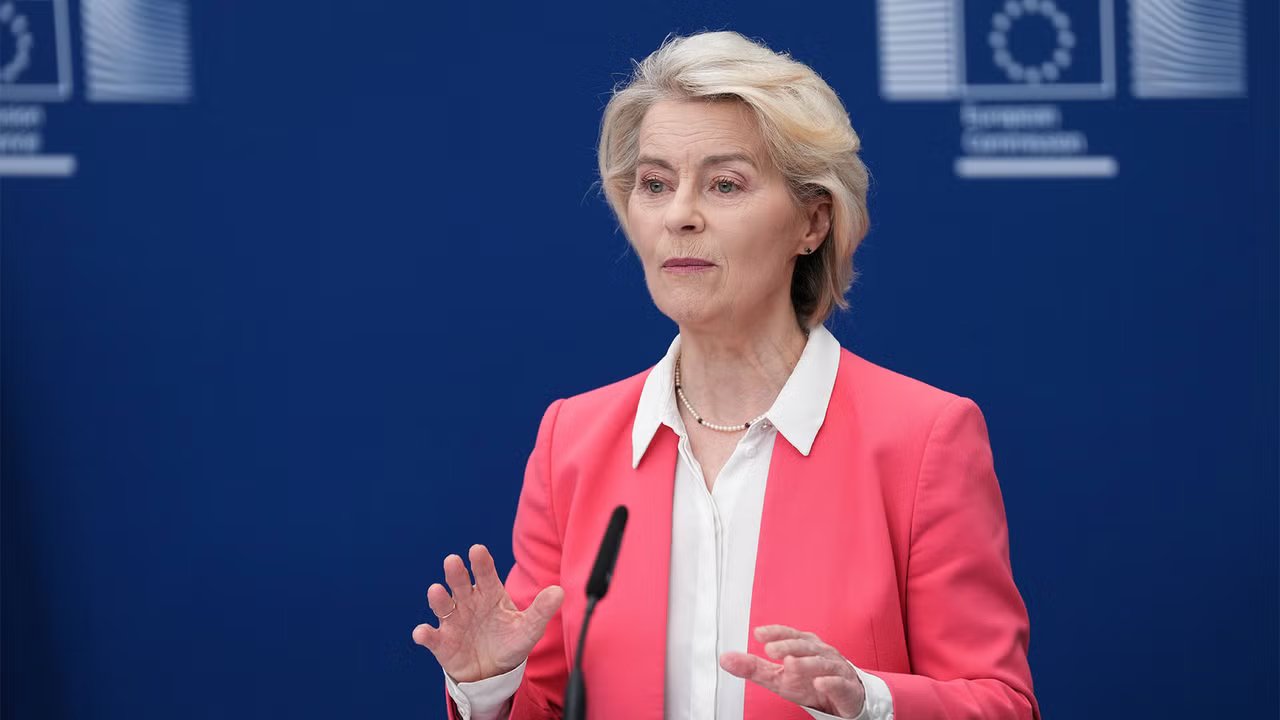
The European Union is taking a bold step in safeguarding children’s well-being. Ursula von der Leyen, the president of the European Commission, has suggested serious restrictions on social media use for kids under 13. This proposal follows a global trend of rising concern about the effects of social media on developing brains. Countries like Australia and the U.K. have already implemented similar bans, reflecting growing awareness of potential dangers.
Von der Leyen’s recommendations stem from a clear understanding of how young minds develop. She argues that children under three should not have any screen time. For older children, she likens access to social media to giving a teenager car keys before they learn to drive. This highlights the need for structured, age-appropriate guidelines. The chief emphasized that tech companies must prove their platforms are safe. Until they do, she argues, restricting access to children under 13 makes sense. This policy shift represents a significant challenge for technology providers. They must innovate and prioritize child safety to comply with new regulations.
The Burden of Proof on Tech Companies
A recent report from a special EU panel supports von der Leyen’s stance, stating that the burden of proof should lie with service providers. Social media platforms must ensure that their services are safe by design. This shift in accountability can drive substantial change in the tech industry. Companies will have to rethink their business models, focusing on safety rather than simply profits.
While some may argue that restrictions could stifle technological engagement, the potential harm to young users outweighs these concerns. Technology is not inherently bad; it can be a powerful educational tool. However, its use must come with responsibility. In a world where children increasingly interact with digital spaces, society must balance exploration and safeguarding.
Implementing these measures will require cooperation across the EU and beyond. Member countries will need to weigh in on the specifics of such policies. The conversation has begun, and the stakes are high. Protecting children in this digital age must take precedence.
By prioritizing child safety in social media, Europe sets a standard. Other regions may follow suit, leading to healthier online environments for future generations. The challenge lies not only in regulation but also in fostering a cultural shift among tech companies and parents alike. Society must demand that platforms prioritize safety just as much as innovation.
Continue Your Tech Journey
Stay informed on the revolutionary breakthroughs in Quantum Computing research.
Access comprehensive resources on technology by visiting Wikipedia.
TechV1
