

Essential Insights
- Salvage yards struggle with recycling EV batteries due to costs and liabilities.
- Valuable minerals in batteries are often wasted or treated as hazardous waste.
- New laws in Colorado hold manufacturers responsible for recycling old batteries.
- Industry collaboration may improve recycling economics, ensuring batteries become resources.
The Recycling Dilemma
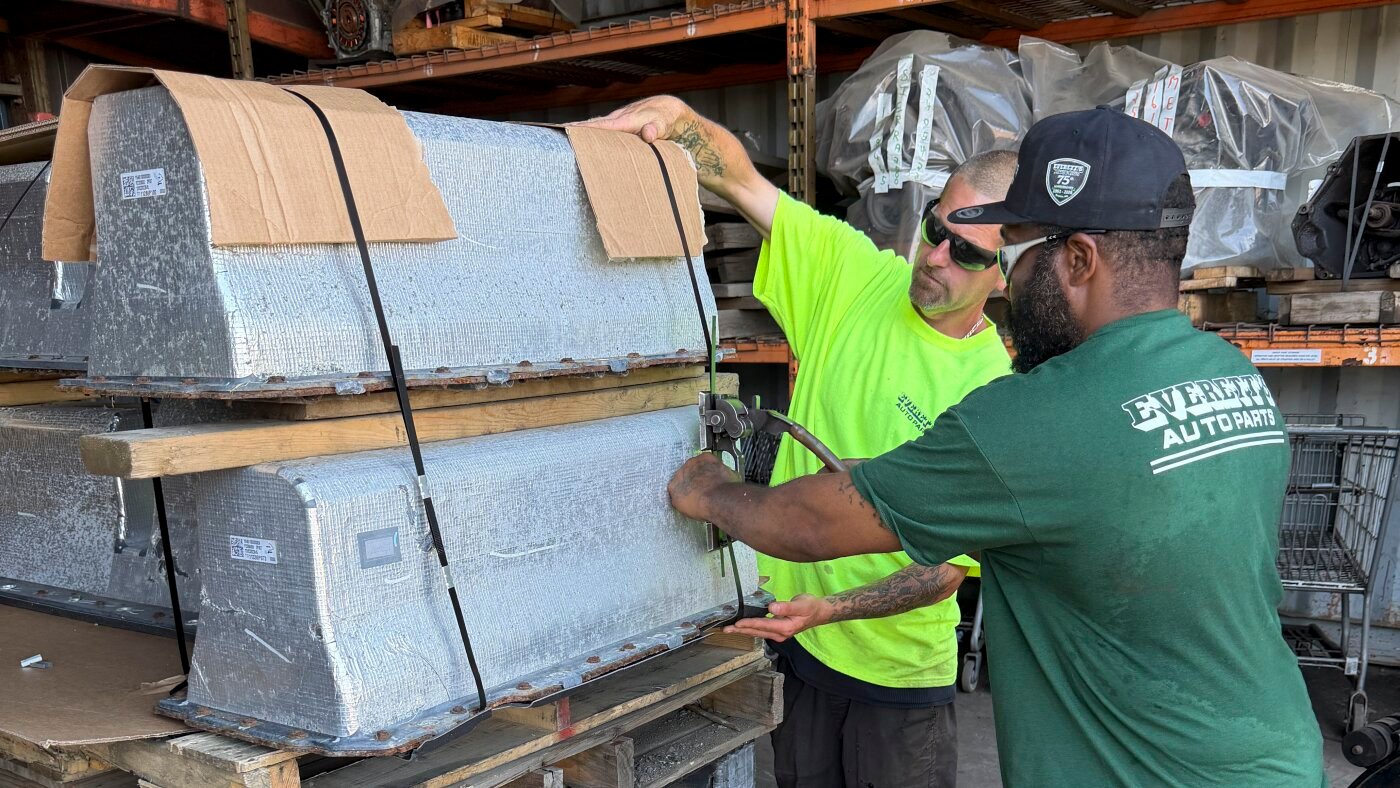
Electric vehicle (EV) battery recycling faces a significant economic challenge. Salvage yards like Everett Auto Parts and Westover Salvage find themselves in a cycle of loss. While these batteries contain valuable minerals—nickel, cobalt, lithium—they often become financial burdens for salvage operators. Thomas Andrade, co-owner of Everett Auto Parts, acknowledges a bittersweet reality: he happily ships a Chevy Volt battery to a recycler without making any money. His relief stems from the fact that the recycler accepts it at no extra cost. However, this scenario highlights a troubling trend across the industry.
Brian Bachand, CEO of Westover Salvage, faces a different nightmare. He possesses a Tesla battery, worth potentially $2,000. Yet, the only offer he’s received is negative $1,800. He would need to pay to have it removed. This unrealistic situation occurs because many recyclers can’t find a profitable way to handle these batteries. As EV adoption rises, the number of old batteries piling up will also grow. Without a clear economic incentive, storage becomes risky. The sentinels of our recycling industry grapple with a difficult equation: increased responsibility without a corresponding reward.
Legislation Offers Hope
One area trying to address this issue is Colorado. The state recently enacted a law that holds manufacturers accountable for the recycling of EV batteries. This initiative emphasizes “producer responsibility,” meaning companies like Tesla and GM must ensure proper disposal and recycling of their products. The law eases the burden on salvage yards and encourages manufacturers to develop better end-of-life strategies. Notably, it emphasizes mineral recovery, which appeals to both environmentalists and industry players.
Broad support exists for this legislation among salvage operators, recyclers, and even automakers. By focusing on domestic recycling and retaining valuable minerals within the supply chain, stakeholders can transform a liability into an asset. This collaborative approach could serve as a model for other states. If successful, it might steer the entire EV battery recycling industry toward a more sustainable and economically viable future.
Stay Ahead with the Latest Tech Trends
Stay informed on the revolutionary breakthroughs in Quantum Computing research.
Access comprehensive resources on technology by visiting Wikipedia.
TechV1
