

Summary Points
- Fat Marmot Week celebrates marmots gaining weight before winter hibernation.
- Dawn was crowned the fattest marmot, gaining 4.5 pounds.
- The event raises awareness amid research funding cuts for marmot studies.
- Researchers use long-term data to understand animals’ responses to environmental change.
Exclusive: Meet the Inaugural Winner of Fat Marmot Week – NPR
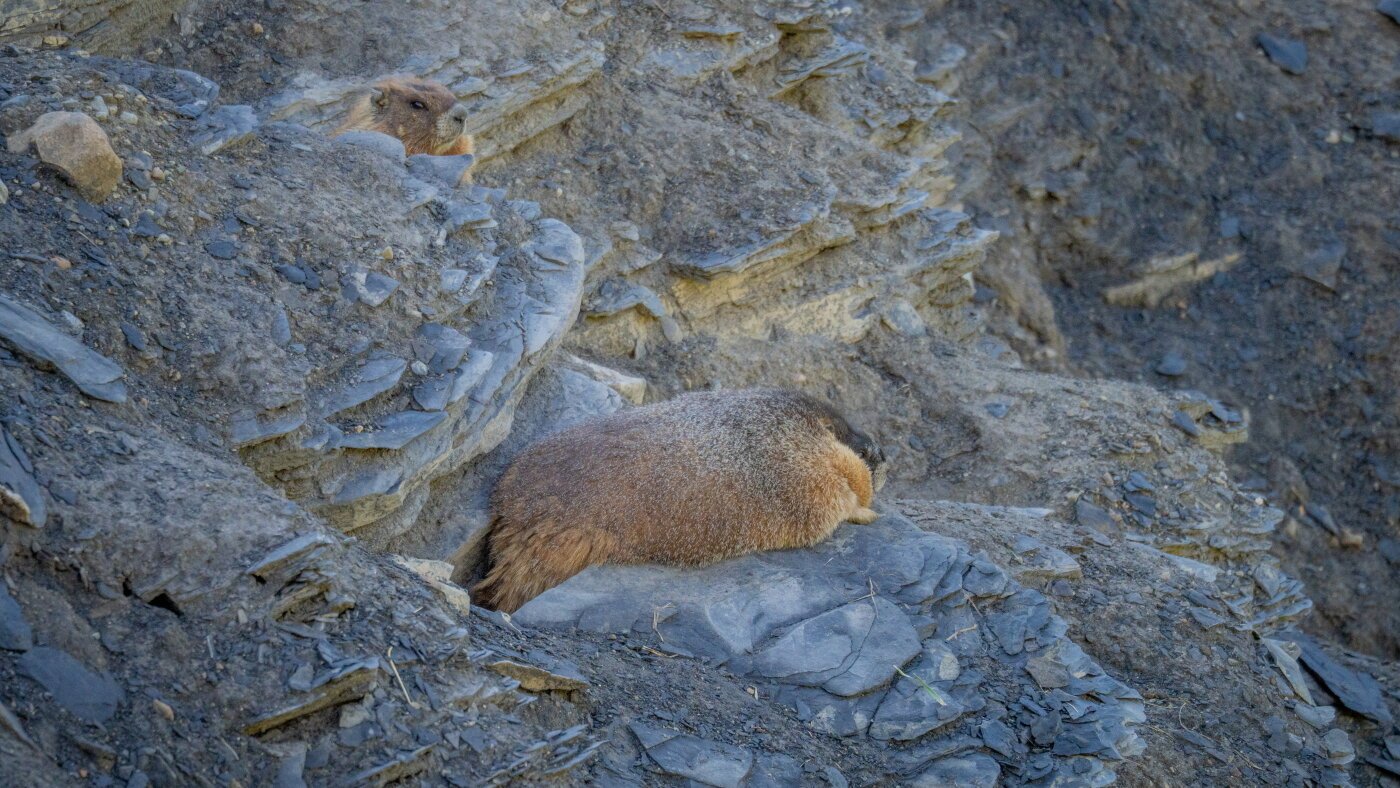
The first-ever Fat Marmot Week came to an end on August 30, 2026. This event showcased the prominence of yellow-bellied marmots, alpine rodents known for their hibernation behaviors. It aimed to raise awareness about these animals and highlight ongoing research efforts amid funding challenges. The celebration involved a friendly competition among eight marmots, each trying to gain the most weight before winter hibernation.
The Rocky Mountain Biological Laboratory’s Marmot Project organized this event as a fun way to engage the public and emphasize the importance of long-term wildlife studies. Marmots rely heavily on fat reserves to survive up to seven months of winter hibernation. During this period, they lower their body temperatures and slow their breathing. Gaining weight before winter is crucial for their survival. Fat Marmot Week focused on promoting conservation and education about these vital creatures.
Who Won Fat Marmot Week?
The competition was fierce. Enthusiasts cheered on candidates named Dawn, G, Dan’s Hat, Citroen, Open Kite, 1, Dandelion, and Stonehenge. Ultimately, the public voted for Dawn as the winner of Fat Marmot Week. Researchers confirmed Dawn was the heaviest, having gained 4.5 pounds, reaching a total weight of 13 pounds. Dawn is a father figure in the marmot community and enjoys what the Rocky Mountain Biological Laboratory describes as “the taste of rocks.”
The researchers also officially recognized Dawn as the “true” winner. The data was based on their measurements of the animals’ sizes and weights. The public vote and scientific evaluation aligned, making Dawn the standout. The event also paid tribute to Stonehenge, a mother who lost her litter to a predator earlier this year. Despite her setbacks, Stonehenge demonstrated resilience by participating in the event.
The inspiration for Fat Marmot Week comes from Alaska’s Fat Bear Week, a popular contest where over a million people vote for the chubbiest bear. Marmots are notable because they are the biggest true hibernators in the world. Unlike bears, marmots undergo deep hibernation, called “torpor,” where their body functions slow dramatically.
The Rocky Mountain Biological Laboratory has been studying these animals since 1962. It is one of the world’s longest-running projects tracking individual mammals in their natural environment. This extensive research helps scientists understand how animals respond to changes in their ecosystems.
The effort to promote marmot conservation extends beyond events like Fat Marmot Week. University researcher Dan Blumstein has started an OnlyFans account called OnlyMarms, promising “uncensored marmot content” to supporters. As of early August, the account had raised approximately $4,000 to help fund ongoing research. Blumstein hopes that increased attention from Fat Marmot Week will encourage more donations, as current funding is uncertain after next year. The project remains committed to advancing knowledge about these unique creatures and their vital role in mountain habitats.
Expand Your Tech Knowledge
Stay informed on the revolutionary breakthroughs in Quantum Computing research.
Access comprehensive resources on technology by visiting Wikipedia.
Space
