

Summary Points
- NHTSA demands action from autonomous vehicle makers to avoid emergency interference.
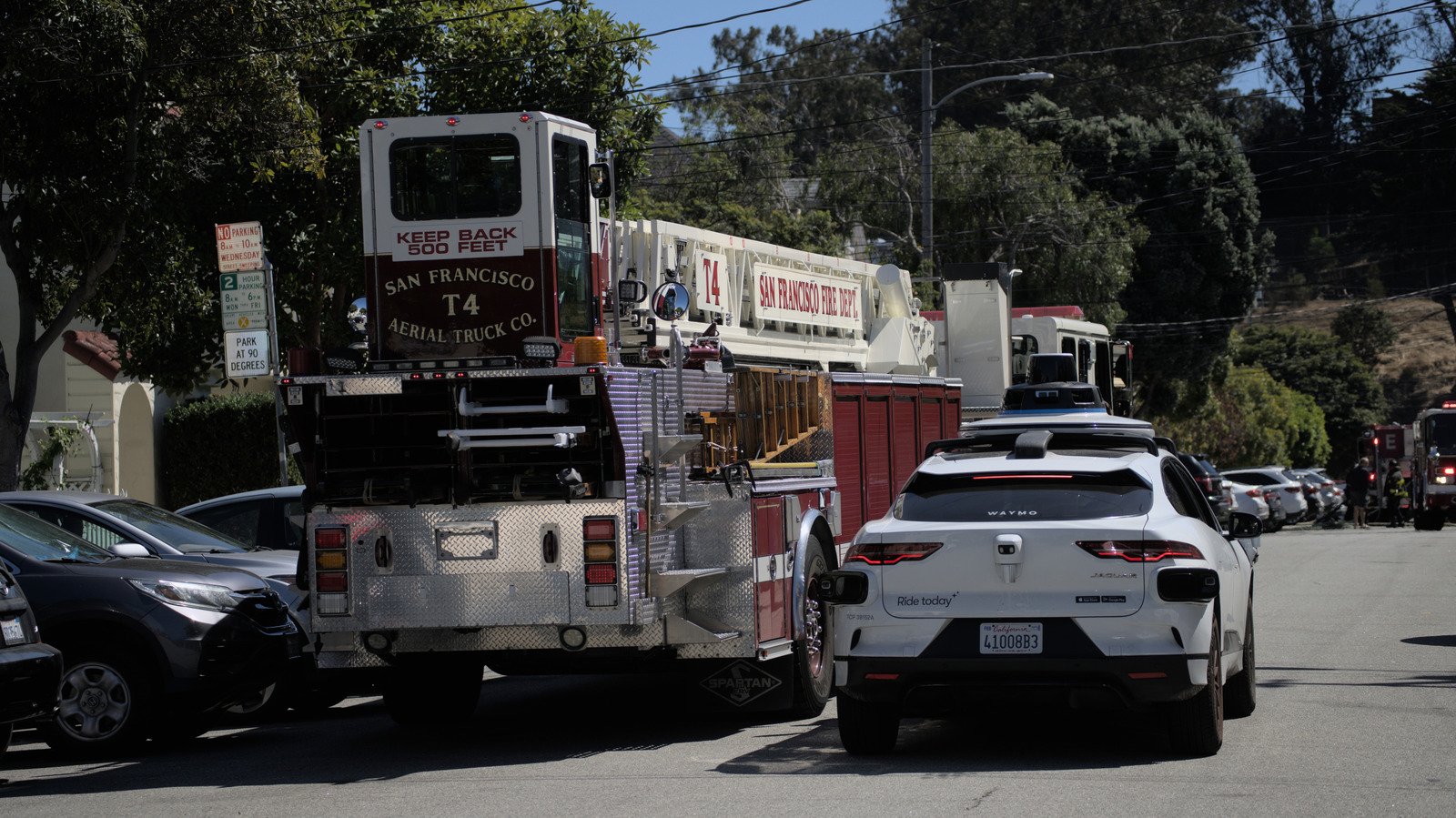
- Self-driving cars have been blocking first responders during critical situations.
- Reports indicate increasing problems with AVs freezing and causing traffic issues.
- NHTSA expects solutions from developers by the end of July.
Safety Must Come First
The National Highway Traffic Safety Administration (NHTSA) has raised an alarm over the interference of autonomous vehicles (AVs) with emergency responders. The message is clear: AV makers must prioritize safety and efficiency. The agency has observed a troubling trend of driverless cars hindering law enforcement and medical personnel during critical situations. Recent incidents highlight this issue, such as a Waymo robotaxi blocking an ambulance during a shooting incident in Austin, Texas. Time spent maneuvering the vehicle delayed a life-saving response, emphasizing the dire consequences of this technology’s shortcomings.
As first responders face increasing frustration, the urgency for AV developers to act becomes even more apparent. Reports from cities like San Francisco and Austin indicate a concerning decline in performance among autonomous vehicles. Officials describe instances of AVs freezing in place or failing to recognize hand signals from first responders. These failures not only complicate emergency operations but also jeopardize public safety. When every second counts, even minor software glitches can have life-or-death implications.
Collaborative Solutions Are Essential
The NHTSA demands that AV makers present solutions by the end of July. This ultimatum pushes developers to acknowledge the practicality and functionality of their technology. The ideal of completely autonomous vehicles operating seamlessly in urban environments seems distant if they repeatedly disrupt critical services. Vehicle design must consider the potential impact on emergency operations.
Manufacturers should prioritize collaboration with emergency service leaders. Open communication will help identify specific challenges and lead to more effective software updates. Whether through improved signal recognition or enhanced navigation protocols, developers need to create vehicles that support first responders instead of complicating their missions. Given the rapid evolution of AV technology, now is the time to ensure that innovation aligns with community safety and responsibility.
Continue Your Tech Journey
Stay informed on the revolutionary breakthroughs in Quantum Computing research.
Access comprehensive resources on technology by visiting Wikipedia.
TechV1
