

Essential Insights
Calvin Wankhede / Android Authority TL;DR:
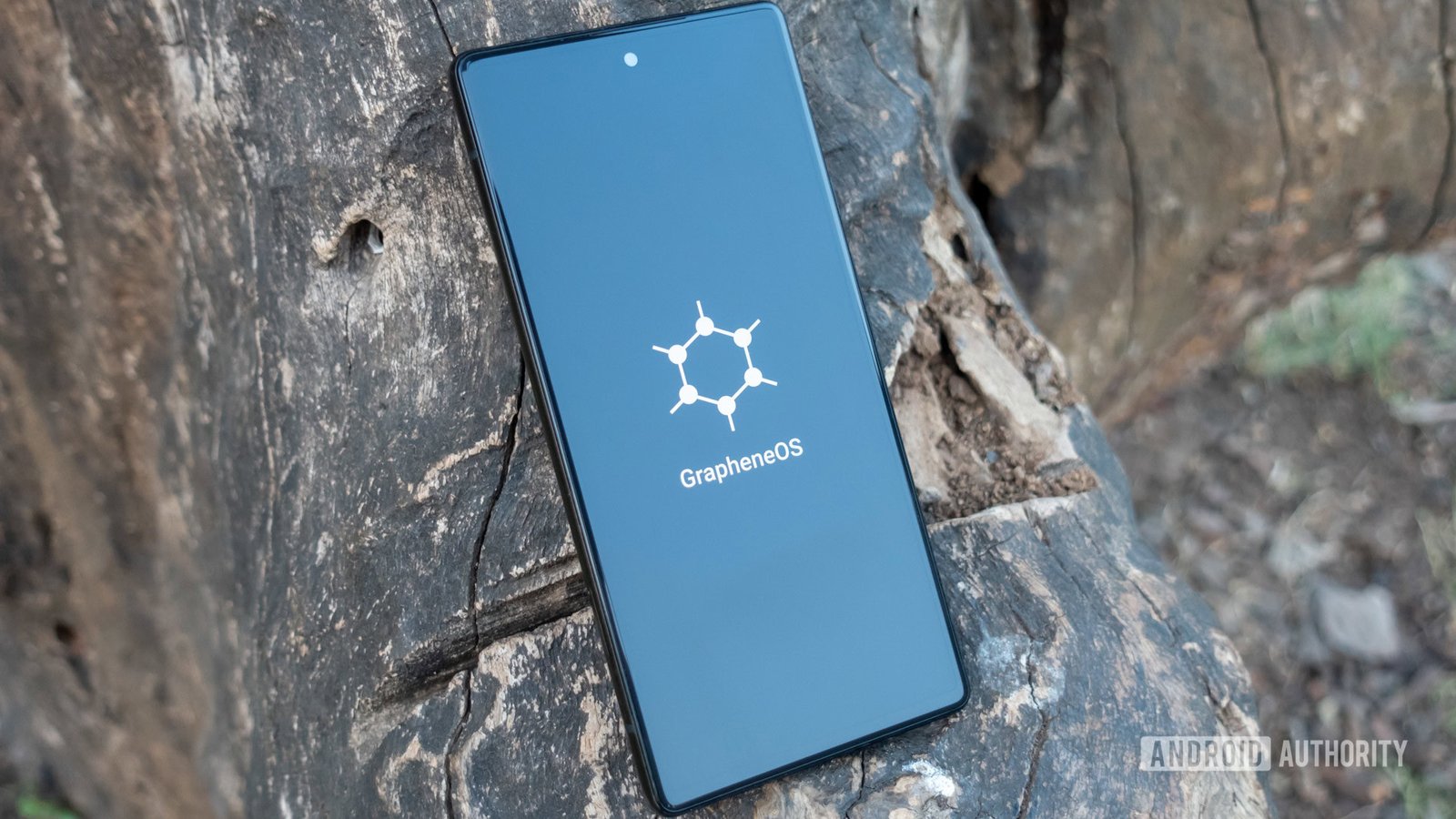
1. GrapheneOS accuses Google and Apple of using device verification tools like Play Integrity and App Attest to restrict users from installing or using alternative operating systems, thereby increasing their control over devices and apps.
2. These verification systems are presented as security measures but actually serve to disallow non-approved hardware and software, including more secure alternatives like GrapheneOS, thus stifling competition.
3. Google’s reCAPTCHA system requires users to verify via certified devices, creating a web of dependency that could extend to desktops and limit access based on device trustworthiness.
4. The platforms allege that governments and financial institutions are increasingly adopting these verification tools, further entrenching Google’s and Apple’s dominance and locking out third-party options, with no public response from the companies.
Google and Apple Tighten Their Grip on Devices and Software
Recently, concerns have risen about how Google and Apple are making it harder for other operating systems to compete. GrapheneOS claims that these tech giants are using device verification systems to keep users locked into their own hardware and software. These changes are seen as ways to control what devices and software can access the internet and apps. Basically, if you don’t use their products, it might be harder to access some services. This shift could mean less choice for users, but it also raises questions about fairness and innovation. By creating barriers, Google and Apple are shaping a more closed and controlled digital world.
Security Features or Control Tools? The Debate Grows
Many of the verification systems, like Google’s Play Integrity API and Apple’s App Attest, are presented as security measures. They aim to protect users from malicious software and tampered devices. However, GrapheneOS argues that these tools are being used more broadly to limit the use of alternative operating systems, including secure ones like GrapheneOS itself. While these features can prevent stolen or rooted devices from accessing certain apps, they also block legitimate users and secure platforms from operating properly. Some believe that these systems ultimately serve to give Google and Apple more power over which devices and apps are allowed to function online. The debate continues on whether these tools truly enhance security or just reinforce monopolistic control.
The Impact on Web and App Access
Beyond devices, these verification systems also influence how we use websites and online services. Google’s reCAPTCHA, used widely across the web, now often requires users to verify themselves using an iOS or Android device. Sometimes, a simple QR code scan can be necessary, and this can expand beyond mobile phones to desktop computers as well. GrapheneOS warns that this dependence on certified devices can limit access for users on other platforms, including Windows and Linux. Moreover, governments and banks are adopting these verification tools for payments and ID checks. While aimed at security, this approach can also lead to less competition and more dependency on Google and Apple’s ecosystems. Consumers may find themselves with fewer options, facing a world where using alternative hardware or software becomes increasingly difficult.
Discover More Technology Insights
Dive deeper into the world of Cryptocurrency and its impact on global finance.
Explore past and present digital transformations on the Internet Archive.
CellphonesV1
