

Top Highlights
- NASA tests a regenerative fuel cell system for future Moon missions.
- The system operates like a rechargeable battery, optimizing energy storage.
- It aims to ensure sustainable astronaut presence on the lunar surface.
- Researchers will simulate harsh lunar conditions to validate the technology.
Fuel Cell Technology for Lunar Missions
NASA is making strides in energy storage for future Moon missions, particularly through its regenerative fuel cell system. This innovative technology could significantly enhance how astronauts power their activities on the lunar surface during the Artemis program.
The regenerative fuel cell operates much like a rechargeable battery. It generates electricity by combining hydrogen and oxygen into water, heat, and power. When energy is required, the system can reverse this process, splitting water back into its gaseous components—hydrogen and oxygen. This dual functionality makes it an ideal choice for habitats and exploration systems on the Moon.
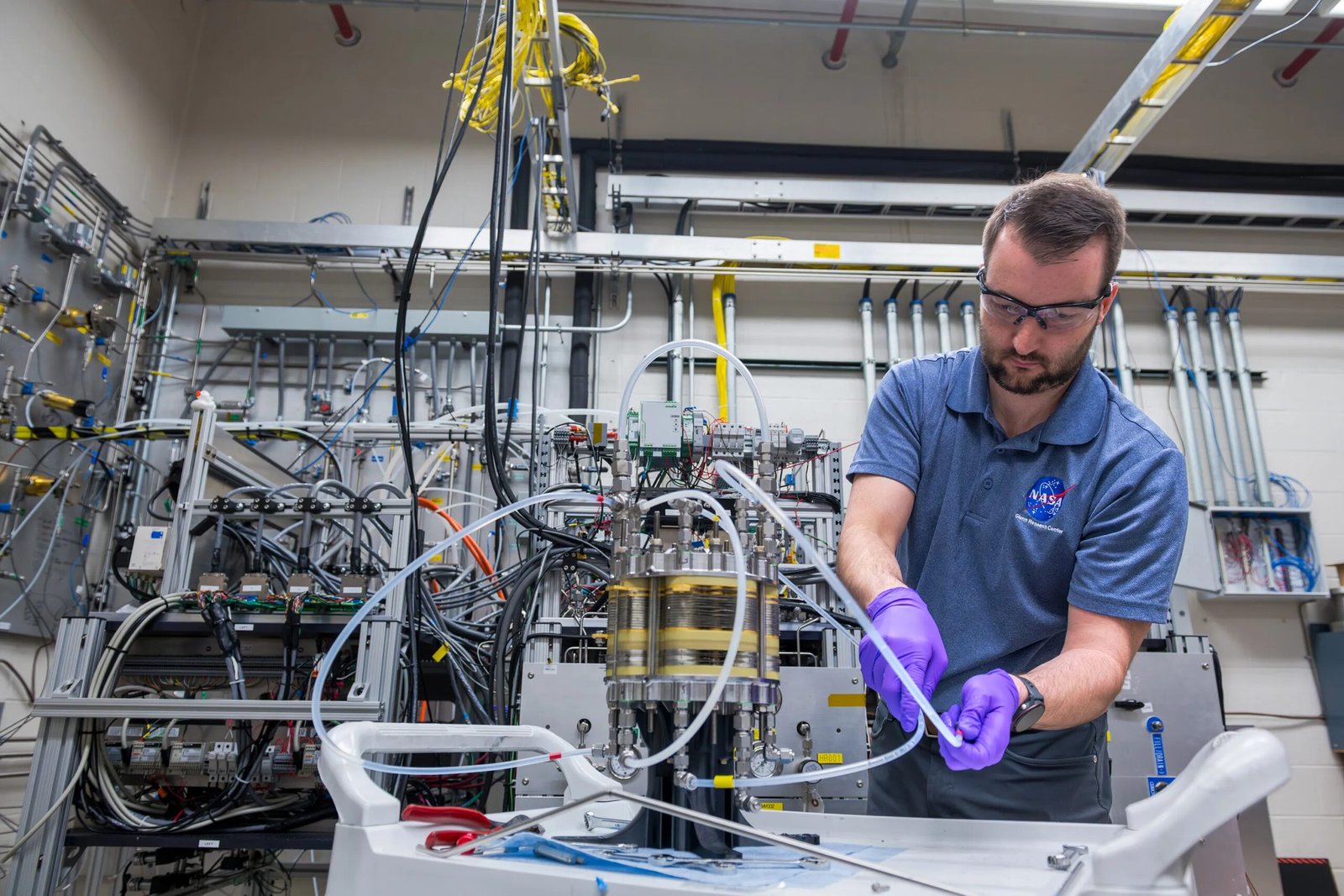
At NASA’s Glenn Research Center, researchers are engaging in rigorous testing of this fuel cell system. Under the direction of lead engineer Dr. Kerrigan Cain, the team has dedicated over five years to perfecting this technology. Their goal is to ensure that the system can reliably operate in the harsh conditions of the Moon. It is especially promising because it weighs less yet has comparable energy storage capabilities to existing battery systems. Additionally, it can function effectively during the lunar nights, which can last nearly two weeks.
The completion of this testing phase is crucial for identifying technical challenges and refining the technology further ahead of lunar missions. Data garnered from these tests will inform developments and enhance the system’s reliability on the Moon.
Preparing for Real-World Challenges
Future tests aim to simulate the lunar environment outside the lab. Researchers want to see how the regenerative fuel cell performs under conditions that are much harsher than those found in a controlled laboratory. This step is necessary to ensure that when deployed, the system will hold up against the realities of lunar exploration.
This research reflects the collaborative efforts of NASA and industry partners. A sustainable human presence on the Moon is a complex endeavor that requires advancements in energy solutions. As Dr. Cain noted, creating such a presence necessitates teamwork and perseverance.
Funding for this project comes from NASA’s Space Technology Mission Directorate through its Game Changing Development Program. With each test, researchers are reminded of the exciting potential of fuel cell technology not only for lunar missions but also for future deep space explorations. Through continued refinement and testing, NASA aims to unlock the full capabilities of regenerative fuel cells, bringing humanity a step closer to making the Moon a viable base for exploration.
Discover More Technology Insights
Learn how the Internet of Things (IoT) is transforming everyday life.
Stay inspired by the vast knowledge available on Wikipedia.
Space
