

Essential Insights
- NASA’s moon missions face infrastructure challenges at Kennedy and Wallops launch sites.
- Launch facilities are nearing capacity due to increasing demand from NASA and private companies.
- Upgrades needed will cost at least $1 billion, only $250 million allocated so far.
- Report recommends prioritizing maintenance and exploring alternative funding for infrastructure improvements.
### Artemis and Infrastructure Strains
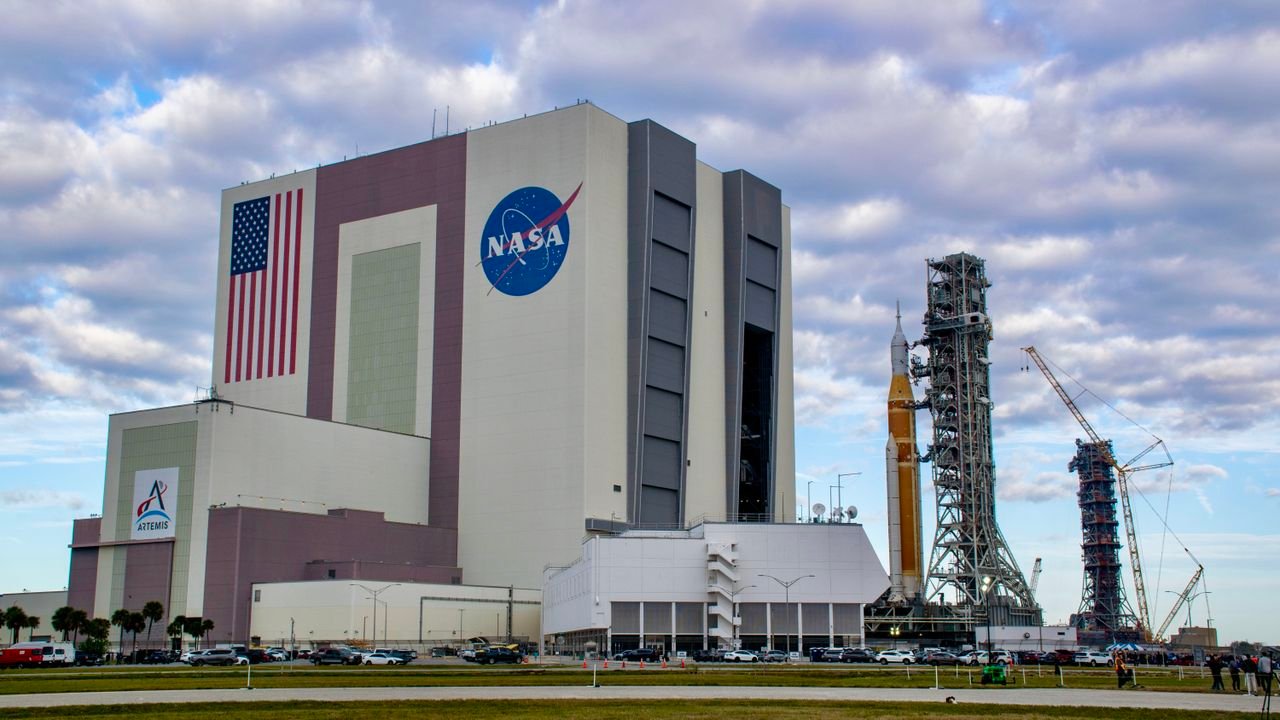
NASA’s Artemis program aims to return humans to the Moon and support an expanding commercial space industry. A recent report from the Office of Inspector General (OIG) presents a serious obstacle: aging launch infrastructure. This infrastructure, primarily at Kennedy Space Center (KSC) in Florida and Wallops Flight Facility in Virginia, is not ready to meet the increasing demand from NASA and private sector launch providers like SpaceX and Blue Origin.
The OIG report indicates that both KSC and Wallops will likely operate near capacity by 2028 or 2029 due to the rising number of launches. NASA has seen a significant jump in launch activity—from 31 NASA-supported launches in 2020 to a projected 109 in 2025. Wallops, typically hosting fewer launches, has experienced an even steeper percentage increase, with plans for 17 launches in 2025. By 2030, launch traffic is expected to increase by an additional 150%.
NASA officials estimate that a minimum of $1 billion is needed to upgrade the infrastructure, yet only $250 million has been allocated to date. These upgrades are essential to support the heavy-lift rockets and various spacecraft essential for Artemis missions.
### Current Challenges and Future Solutions
Key launch facilities at KSC include Launch Complex-39A and 39B. These are utilized by SpaceX and NASA for their respective missions. Wallops, which primarily supports smaller vehicles, has made some recent upgrades but still faces limitations. According to NASA, supporting simultaneous missions requires significant coordination. For instance, during Artemis 3, simultaneous launches of SLS, New Glenn, and multiple Starships will demand optimized infrastructure. Ideally, multiple launches should occur within days, but current systems may not support that pace.
The infrastructure issues stem largely from aging facilities that date back to the Apollo program in the 1960s. Much of the supporting infrastructure—roads, electrical lines, and supply pipelines—has not seen sufficient modern upgrades. This has led to scheduling challenges and workflow bottlenecks, as highlighted during the recent New Glenn launch preparations.
The OIG suggests several actions for NASA, including: assessing roadway wear from the heavy traffic of super heavy rockets, prioritizing maintenance funds for shared infrastructure, and exploring new funding opportunities to support these upgrades. The long-term renewal rate of this infrastructure could stretch to over 260 years without significant changes to funding structures. Addressing these barriers is essential for NASA to successfully execute the Artemis program and enable the growing commercial space sector.
Continue Your Tech Journey
Dive deeper into the world of Cryptocurrency and its impact on global finance.
Access comprehensive resources on technology by visiting Wikipedia.
Space
