

Quick Takeaways
-
Breakthrough in Superconductivity: MIT researchers confirmed unconventional superconductivity in magic-angle twisted tri-layer graphene (MATTG), showing distinct properties different from conventional superconductors.
-
Room-Temperature Potential: The unique superconducting gap in MATTG may lead to future room-temperature superconductors, enabling advanced technologies such as zero-loss power grids and practical quantum computers.
-
Innovative Measurement Techniques: The team developed a new platform that combines electron tunneling and electrical transport to accurately observe and analyze the superconducting gap in real-time.
-
Future Directions: Ongoing research aims to explore other two-dimensional materials to uncover new superconductors, potentially revolutionizing energy efficiency and quantum technology.
MIT Physicists Discover Evidence of Unconventional Superconductivity in Magic-Angle Graphene
MIT physicists recently published a significant breakthrough in the study of superconductivity. They observed key evidence of unconventional superconductivity in a material known as magic-angle twisted tri-layer graphene (MATTG). This discovery opens doors to potentially revolutionary technologies.
Superconductors are essential for energy efficiency. They allow electricity to flow without energy loss, similar to express trains in a metro system. Currently, most superconductors operate only at extremely low temperatures. Therefore, scientists strive to develop materials that can function at room temperature.
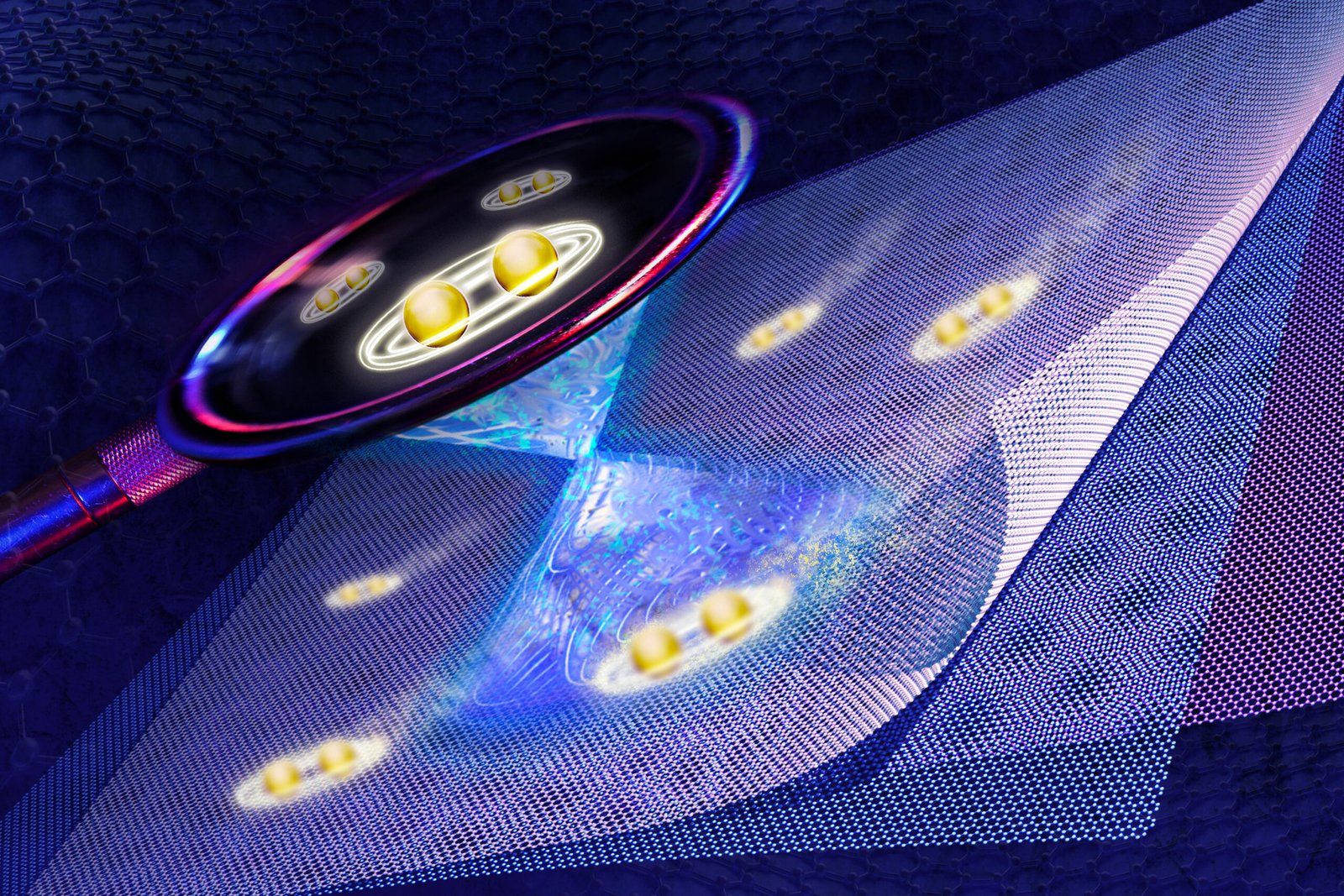
The new study, published in Science, marks the first direct evidence of unconventional superconductivity in MATTG. Researchers measured the superconducting gap in the material, which indicates how robust its superconducting state remains at various temperatures. The gap’s unique shape differs significantly from that of conventional superconductors.
“Understanding the superconducting gap gives us clues to mechanisms that may lead to room-temperature superconductors,” said Shuwen Sun, co-lead author of the study.
To make this discovery, the team utilized a cutting-edge experimental platform that enables real-time observation of superconductivity in two-dimensional materials. This platform allows for a deeper probe into MATTG, as well as other two-dimensional materials for future technologies.
Lead author Pablo Jarillo-Herrero emphasized the importance of understanding unconventional superconductors. “Deciphering one unconventional superconductor may unlock the secrets of others,” he stated.
MATTG consists of three graphene sheets stacked at a specific angle, notably a twist that promotes unique electronic properties. The research builds on previous studies of twisted graphene, which began in 2018. Such studies birthed the field of “twistronics,” focusing on materials with precisely arranged layers.
The implications of this research are vast. If scientists can identify and understand the mechanisms behind materials like MATTG, room-temperature superconductors could become a reality. This innovation could lead to efficient power cables, advanced electricity grids, and even advancements in quantum computing.
In the coming months, the research team plans to investigate other two-dimensional materials. Their efforts may clarify how electrons interact within these structures, potentially paving the way for new superconductors and next-generation technologies.
This groundbreaking work highlights MIT’s commitment to advancing scientific knowledge and sustainable technologies, promising a more energy-efficient future for society.
Stay Ahead with the Latest Tech Trends
Stay informed on the revolutionary breakthroughs in Quantum Computing research.
Discover archived knowledge and digital history on the Internet Archive.
QuantumV1
