

Summary Points
- India plans to allow merchant charges on certain UPI transactions via new legislation.
- UPI’s success has led to increased costs, prompting a funding shift.
- Legislation could generate $525 million to $1 billion annually by 2028.
- Implementation details, including fee specifics, will be determined later.
The Move Toward Sustainable Revenue for India’s UPI
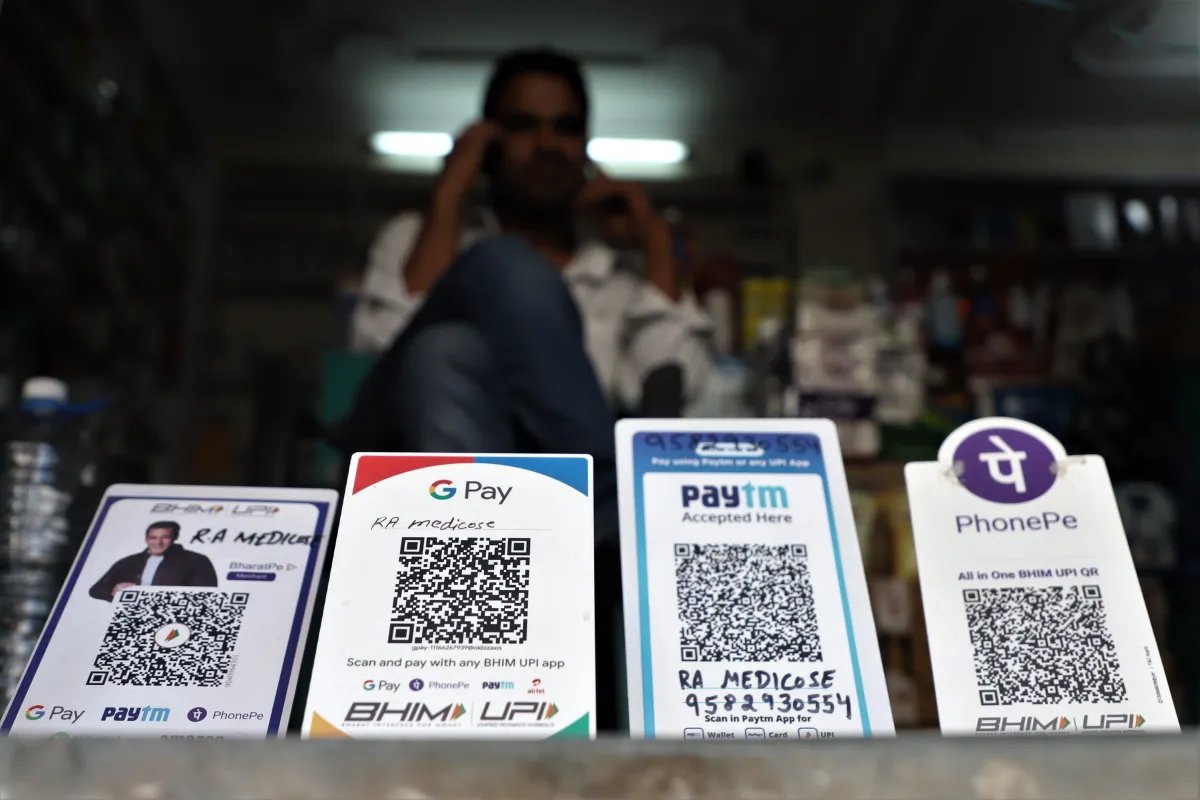
India’s Unified Payments Interface (UPI) has transformed digital payments since its launch. It now handles over 23 billion transactions each month, worth nearly $314 billion. The government built UPI to be free for consumers and small merchants. Since 2020, India eliminated merchant discount rates (MDR), meaning merchants pay no fees for accepting UPI payments. This policy helped UPI grow rapidly, making payments simple and widely accessible.
Now, India is considering new legislation to change this. The bill could allow merchants to pay small fees on some UPI transactions. This shift aims to help banks and fintech companies recover their investments in the network. These firms have paid for the infrastructure and security needed as transaction volumes increased. Industry leaders argue that without some revenue from merchant charges, the network may struggle to grow further.
This move could create a new revenue stream. Experts believe that charging merchant fees on larger transactions could generate hundreds of millions of dollars yearly by 2028. The plan might limit fees to bigger merchants, who handle most high-value transactions. Such a change would help sustain UPI’s growth while keeping low-value and peer-to-peer payments free for consumers.
Implications and Industry Impact
The legislation signals a balanced approach to UPI’s future. It seeks to make the network financially sustainable while maintaining its user-friendly nature. For now, the details remain unclear. The government has not yet set the exact fees or transaction types affected.
Major players like Google Pay and PhonePe dominate India’s UPI landscape, controlling nearly 80% of the market. Their success partly depends on how fee sharing happens among banks, payment apps, and other stakeholders. If done thoughtfully, introducing merchant charges on higher-value transactions could boost the industry’s revenue without discouraging users or merchants.
As India expands UPI’s reach to other countries such as Singapore, the UAE, and France, the new policy could influence how digital payments develop worldwide. Balancing growth, innovation, and profitability remains crucial for India’s digital economy.
Discover More Technology Insights
Explore the future of technology with our detailed insights on Artificial Intelligence.
Explore past and present digital transformations on the Internet Archive.
TechV1
