

Summary Points
- Historically, work was seen as burdensome, not enjoyable or fulfilling.
- Recent decades shifted attitudes, making work more about enjoyment and purpose.
- Companies now offer amenities to enhance employee experience and productivity.
- However, this has led to increased expectations and potential workaholic tendencies.
Chasing Enjoyment in the Workplace
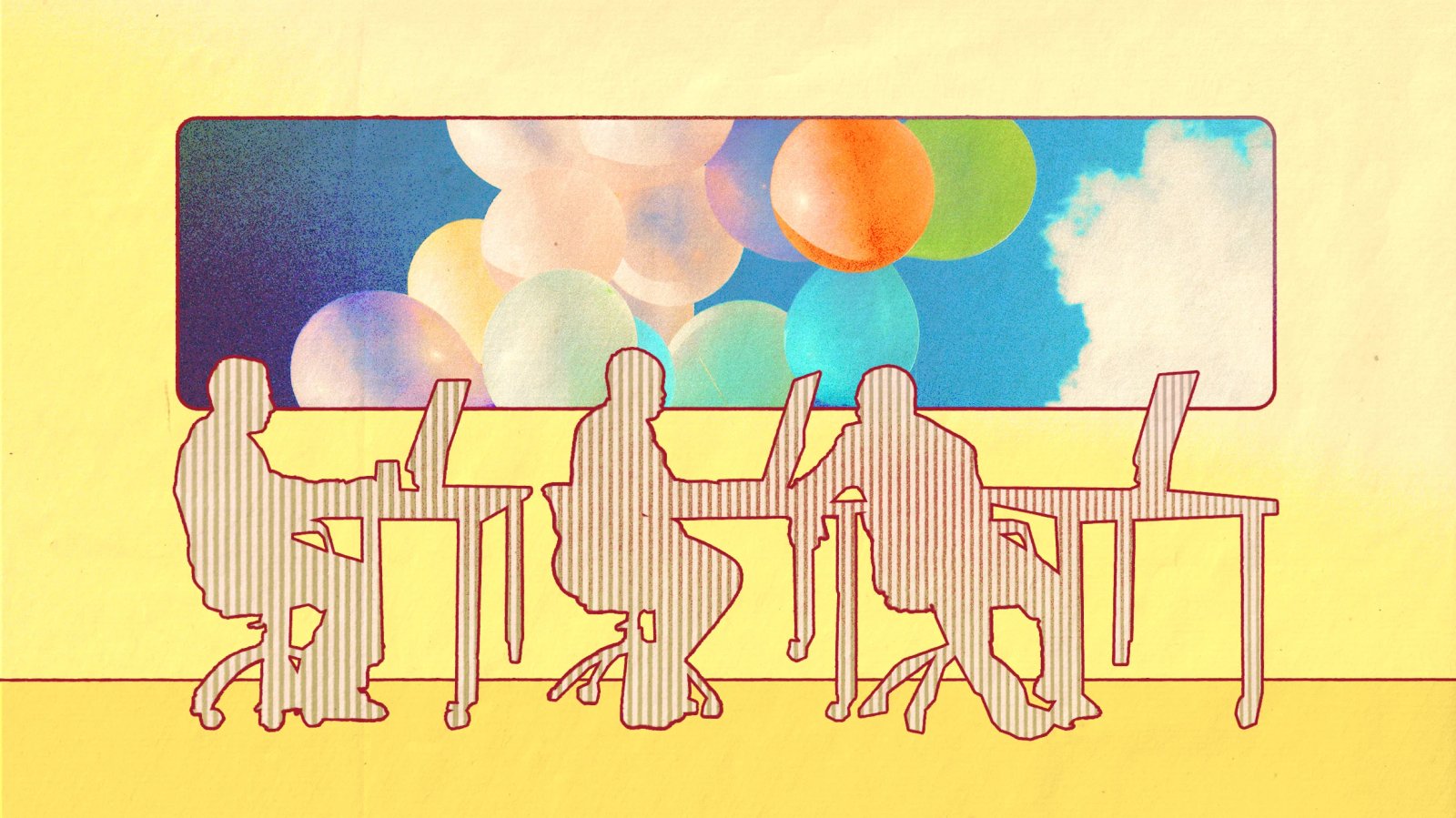
For much of human history, work felt like a burden. People toiled in unsafe conditions for long hours. The idea of enjoying work would seem absurd to those bound by chains and social structures. Today, however, many workers experience a radical shift. Companies, especially in technology, transformed offices into spaces that promote fun and wellness. Firms offer perks like free meals, fitness facilities, and flexible schedules. These changes aim to create an engaging work environment where employees feel valued.
But this rebranding raises questions. Are these perks genuine attempts to enhance employee well-being, or do they serve corporate interests? Many argue that making work enjoyable can lead to increased productivity and loyalty. The problem is when fun becomes expectation. Employees often find themselves tethered to work even during downtime. The promise of a balanced life can turn into a trap, where employees struggle to disconnect. Many become what some might call spiritual workaholics, constantly on call.
The Hidden Costs of Workplace Culture
The rise of a performative culture complicates the pursuit of happiness at work. The “work hard, play hard” mentality suggests a balance. However, this balance often falters. Long hours remain the norm, while the “play” becomes sporadic. Workers face constant pressure to be available, erasing boundaries between professional and personal life.
Technological advances also play a role. As automation and productivity tools streamline tasks, they don’t necessarily lead to shorter workweeks. Instead, they raise expectations without returning leisure time. John Maynard Keynes imagined a future of reduced labor hours due to efficiency. In reality, efficiency has shifted our focus, leading us to work differently, often more.
This tension between enjoyable work and entrapment reflects a deeper reality. As companies package work as an experience, many individuals struggle to find balance. They navigate an environment that demands more without relinquishing the perks that make it enjoyable. Addressing these issues requires honesty from both employers and employees about the nature of work and the essential need for genuine downtime.
Stay Ahead with the Latest Tech Trends
Stay informed on the revolutionary breakthroughs in Quantum Computing research.
Stay inspired by the vast knowledge available on Wikipedia.
TechV1
