

Quick Takeaways
- Researchers completed DESI’s full 3D universe map ahead of schedule.
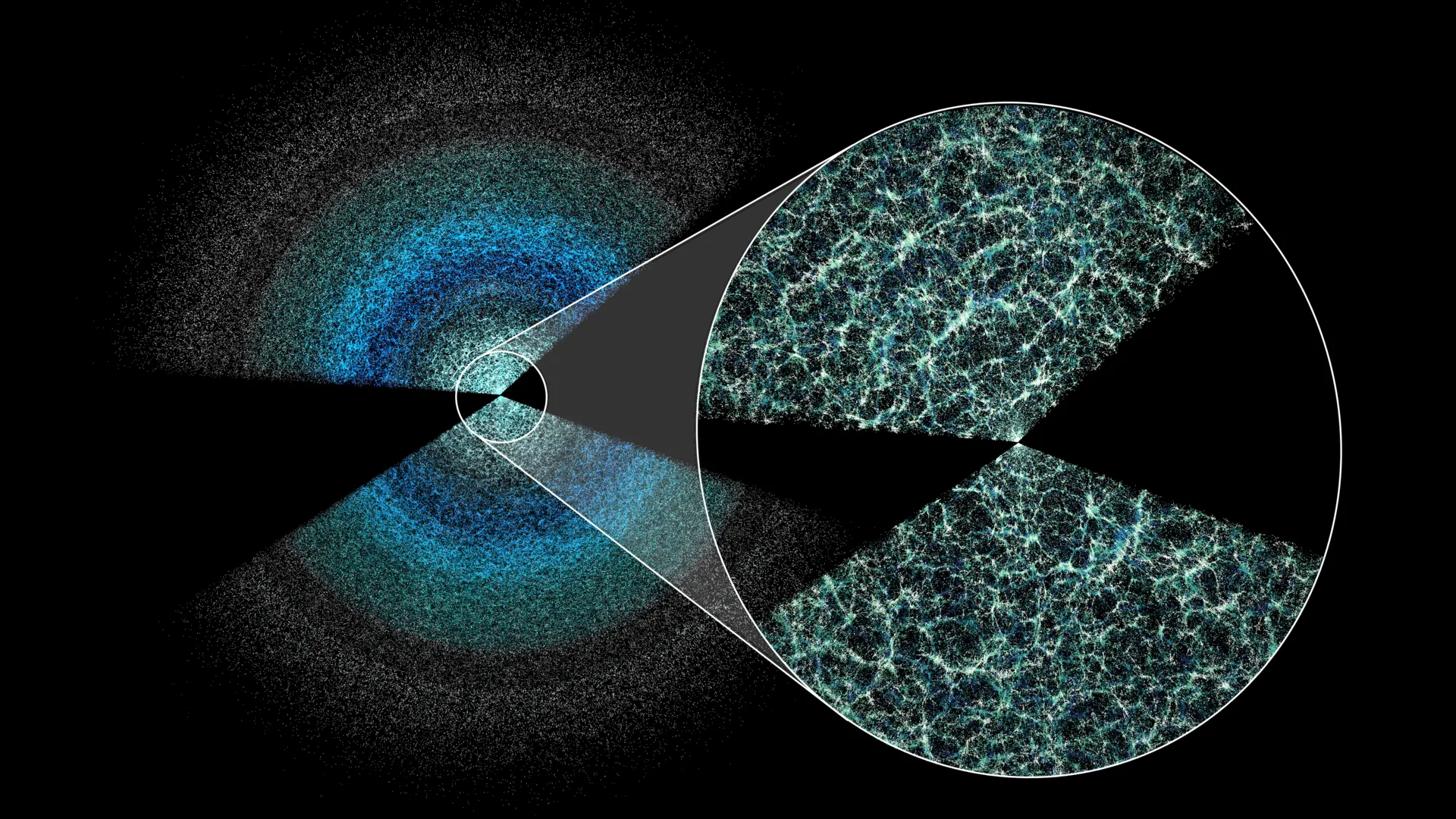
- Over 47 million galaxies and quasars were mapped in unprecedented detail.
- The project involved over 900 scientists from more than 70 institutions.
- DESI’s data may change our understanding of dark energy and the universe.
A Breakthrough in Understanding Dark Energy
Scientists have made a monumental leap in unraveling the mysteries of dark energy. The Dark Energy Spectroscopic Instrument (DESI) has completed its five-year mission to map the cosmos, and the results promise to redefine our understanding of the universe. This unprecedented 3D map contains detailed observations of over 47 million galaxies and quasars. Researchers now possess the most comprehensive high-resolution representation of the universe ever created.
The implications of this achievement extend far beyond mere numbers. Dark energy, which constitutes about 70% of the universe, remains one of the most enigmatic aspects of modern astrophysics. With DESI’s detailed data, scientists can now probe deeper into how dark energy interacts with matter. They aim to test existing theories and potentially discover new dynamics at play. “This dataset provides a much stronger foundation to understand the balance between dark energy and matter,” says Paul Martini, an instrumental figure in DESI’s success.
This global initiative brought together over 900 researchers from more than 70 institutions. Their collaboration has been nothing short of extraordinary. Amid challenges—like the 2022 Contras wildfire that temporarily disrupted operations—the team displayed resilience and resourcefulness. Scientists adapted quickly, ensuring they gathered high-quality data crucial for understanding our universe.
Future Endeavors and Continued Observations
Although DESI’s initial survey is complete, the journey doesn’t end here. The instrument will continue gathering observations until 2028. Future explorations will tackle harder-to-observe regions, enhancing the detail in the cosmic map. This ongoing work could shed light on nearby structures, including dwarf galaxies and stellar streams. As Klaus Honscheid notes, these efforts will significantly improve our understanding of cosmological parameters and could enrich dark matter studies.
Researchers at Ohio State are already refining measurements of dark energy based on early data. They strive to optimize telescope time and enhance the instrument’s functionality for upcoming discoveries. The scale of this project demonstrates the potential benefits of international cooperation in scientific research. It sets a precedent for future astronomical endeavors and reinforces the importance of resilience in the face of challenges.
As DESI advances, its findings will likely catalyze a wave of new questions, theories, and explorations. The quest to decode dark energy continues, and the upcoming results promise to reshape our cosmic perspective.
Discover More Technology Insights
Explore the future of technology with our detailed insights on Artificial Intelligence.
Explore past and present digital transformations on the Internet Archive.
TechV1
