

Quick Takeaways
-
Volcanic Activity: Réunion Island’s active Piton de la Fournaise volcano has experienced over 150 eruptions since the 17th century, with the latest eruption beginning on February 13, 2026, resulting in significant lava flow.
-
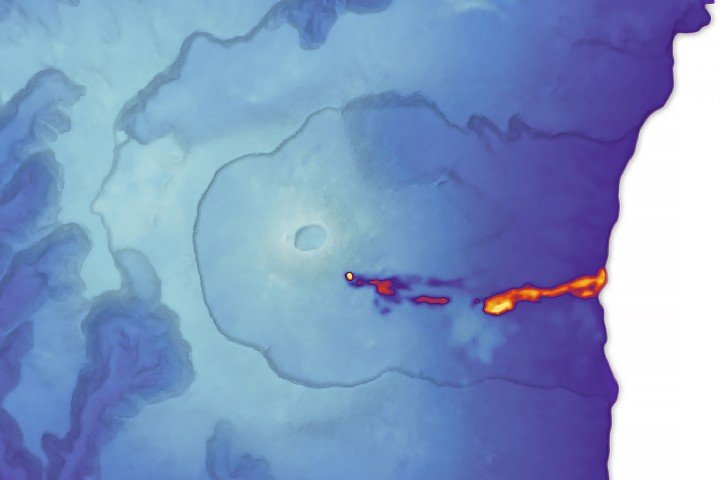
Lava Flow Dynamics: Thermal satellite imagery revealed sustained lava fountains and flow towards the ocean, with temperatures reaching 1,100-1,130°C (2,010-2,070°F) and creating a new lava delta that extended the coastline by 190 meters by March 24, 2026.
-
Impact on Infrastructure: The eruption cut through Route Nationale 2 (RN2) by March 13, showcasing the immediate threat posed by the substantial volume of lava being expelled during this activity.
-
New Eruptive Cycle: Experts indicate that the current eruption may signify the onset of a new eruptive cycle at Piton de la Fournaise, following trends observed in past volcanic activity on the island.
Lava from Réunion Island Volcano Reaches the Sea
Réunion Island, located 700 kilometers east of Madagascar, showcases nature’s power through its active volcano, Piton de la Fournaise. This shield volcano has erupted frequently since the 17th century, with over 150 documented eruptions.
The latest eruption began on February 13, 2026. Scientists observed multiple fissures erupting, creating impressive lava fountains that shot up to 50 meters high. As the lava flowed downhill, it advanced through forests and grasslands toward the ocean. By March 13, it crossed Route Nationale 2, disrupting transportation.
On March 16, lava finally reached the Indian Ocean, generating plumes of acid-laden steam and volcanic gases. This phenomenon, known as “laze,” presents both potential hazards and fascinating visuals for residents and scientists alike. As the molten rock hit the water, it heated the surrounding temperatures to dangerous levels, exceeding 36°C (97°F) up to 600 meters away.
Remarkably, the eruption has created a new lava delta, extending the island’s coastline by 190 meters. Experts noted that this eruption is particularly significant. It has produced more lava than usual, hinting at the beginning of a new cycle of volcanic activity.
Technological advancements have played a crucial role in monitoring this natural event. Scientists utilized NASA and NOAA satellite data to track thermal activity across decades. This remote monitoring allows for a better understanding of volcanic behavior, which can help communities prepare for future eruptions. The ongoing research not only improves safety measures but also enhances our appreciation of volcanic ecosystems.
Ultimately, the eruption of Piton de la Fournaise highlights the dynamic relationship between nature and humans. Through continued monitoring and research, scientists aim to ensure that residents can live alongside this powerful force with greater awareness and safety.
Stay Ahead with the Latest Tech Trends
Dive deeper into the world of Cryptocurrency and its impact on global finance.
Explore past and present digital transformations on the Internet Archive.
SciV1
