

Summary Points
- Tony Fadell reinvents the thermostat after his success with the iPhone.
- Fadell’s frustrations with outdated controls fueled the creation of Nest.
- Nest’s rapid success was largely attributed to Fadell’s vision and leadership.
- Despite mixed reviews, Nest’s concept significantly influenced smart home technology.
The Legend of Nest
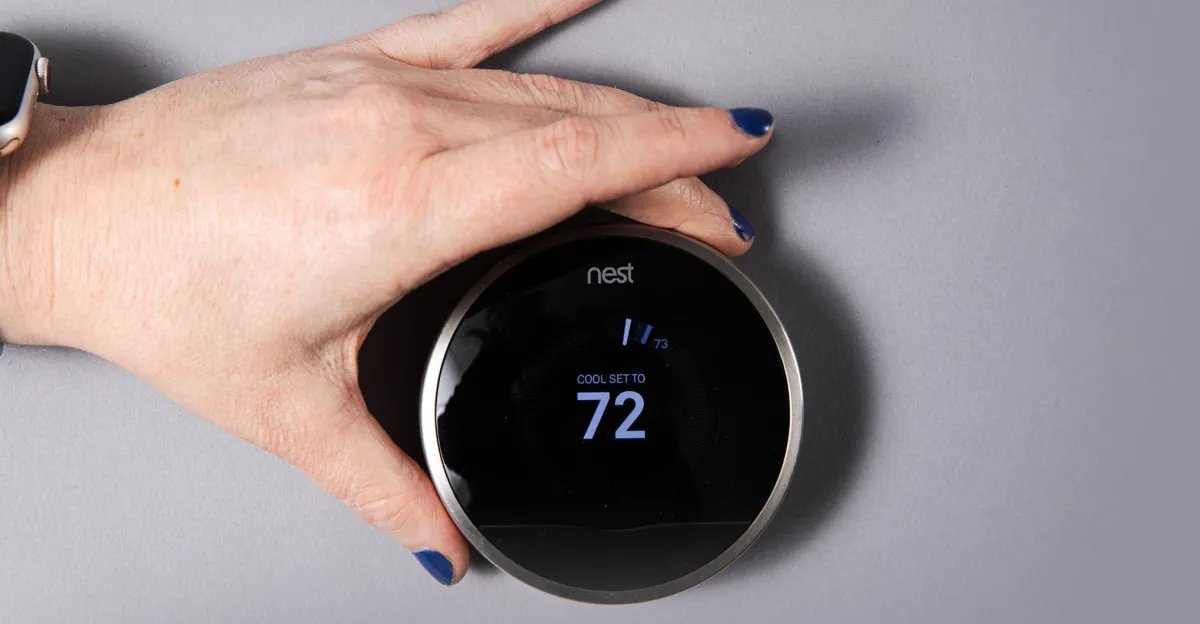
Nest’s founding story embodies the classic tech myth. Tony Fadell, a visionary behind the iPhone, returned to the product world to tackle a mundane but vital household item: the thermostat. Frustrated with outdated temperature controls, Fadell decided to change the way homes manage their environments. His quest was not merely about creating a device; it was about revolutionizing home living and energy efficiency.
Nest entered the market with a sleek design and intuitive functionality that offered more than just temperature control. It introduced features like self-learning capabilities, allowing it to adapt to user behavior and preferences. The promise was alluring—an effortless way to save energy while keeping homes comfortable. This concept resonated with consumers, and Nest gained traction almost overnight. Fadell’s experience and vision brought the project to life, and the product quickly became synonymous with the smart home movement.
Still, the thermostat’s journey wasn’t without its flaws. While it dazzled with innovation, it often struggled with compatibility and accessibility. Not every household could seamlessly integrate it into their existing systems. The high price tag also placed it out of reach for many consumers. Despite these shortcomings, Nest’s initial success demonstrated a real need for smarter home technology.
The Future of Home Automation
Nest’s big idea about a smarter home proved to be relevant. The shift in how we interact with our living spaces fundamentally alters our expectations of convenience, energy savings, and management. People increasingly seek ways to optimize their homes, making automation a focal point of modern life. Automating heating and cooling not only enhances comfort but also contributes to sustainability.
The story of Nest highlights both the potential and the challenges of technology adoption. Fadell’s vision inspired a new generation of smart home products. However, it also illustrated the importance of addressing practical barriers, like affordability and integration. As consumers embrace new technologies, they often weigh the benefits against the costs.
Nest’s evolution signifies a pivotal moment in how we view home technology. It shows the intersection of innovation and necessity, pushing for a future where our living environments work smarter for us. The thermostat is just the beginning. As companies continue to innovate, the quest for a fully automated home ecosystem remains both a challenge and an opportunity.
Discover More Technology Insights
Explore the future of technology with our detailed insights on Artificial Intelligence.
Stay inspired by the vast knowledge available on Wikipedia.
TechV1
