

Top Highlights
- MIT developed flexible cables supporting cryogenic temperatures for quantum hardware.
- These cables are cheaper, easier to install, and more durable than coaxial types.
- Designed for quantum systems, they enable scalable, reliable signal transmission.
- Maybell Quantum plans to integrate these cables to advance commercial quantum computing.
Scientists and engineers are working to improve quantum systems, which have the potential to revolutionize computing. One big challenge is managing the fragile environment needed for quantum bits, or qubits. These systems require extremely cold temperatures, between 5 and 10 millikelvins, to stay stable. To keep things at this temperature, researchers use special machines called dilution refrigerators.
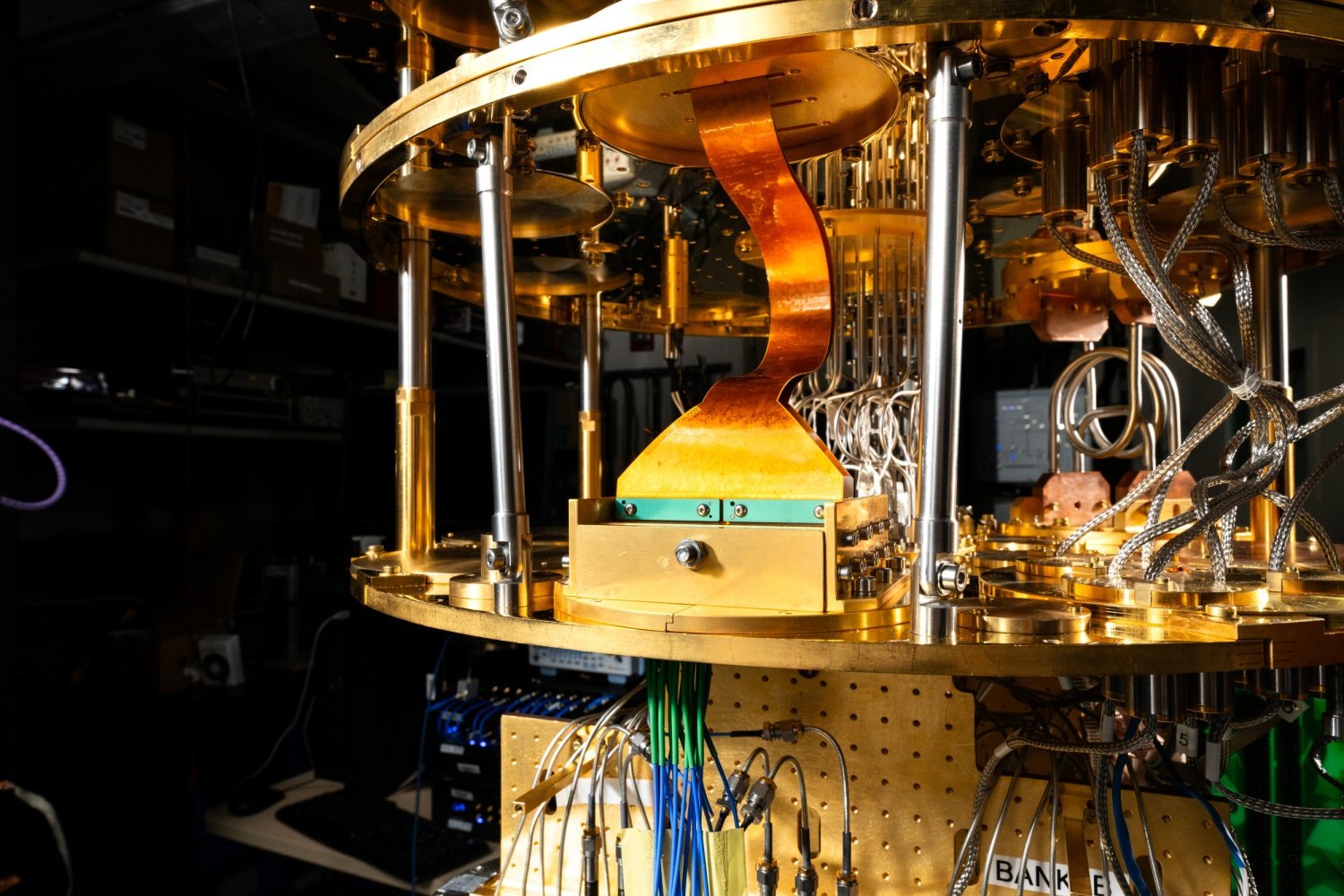
Researchers at MIT Lincoln Laboratory developed a new type of cryogenic cable. Unlike traditional coaxial cables, these flexible, ribbon-like cables are designed to work well at extremely low temperatures. They are easier to produce and install, which saves time and money in building quantum computers. These cables can support many signals at once, without heating up the environment. They also fit better into the tight spaces inside quantum hardware. A Colorado-based company, Maybell Quantum, licensed this design and is adapting it for use in their systems. They plan to use these cables across various parts of their dilution refrigerators for tasks like monitoring temperature and controlling sensors. Traditional cables create heat loads that challenge the cooling process of quantum hardware. Plus, their bulkiness makes it hard to fit many cables into compact systems. The new flexible cables overcome these issues by being lightweight and durable. They can be produced in large quantities using standard printed-circuit-board manufacturing. This allows for faster assembly and easier maintenance. Experts believe these cables could support scaling up quantum technology. Maybell Quantum aims to make quantum hardware more accessible and cost-effective. As the technology advances, these innovations could help move quantum computing from labs into everyday industries, making this powerful tool more practical and widespread. Explore the future of technology with our detailed insights on Artificial Intelligence. Stay inspired by the vast knowledge available on Wikipedia. QuantumV1Continue Your Tech Journey
