

Quick Takeaways
- NASA partners target a November 29 launch carrying 11,000 pounds of cargo.
- Cygnus XL, named for astronaut Jim Lovell, rides SpaceX’s Falcon 9.
- Station astronauts will capture the spacecraft December 1 using Canadarm2.
- Experiments target cancer treatments, muscle-loss therapies, radiation sensing, and future food production.
NASA Sets Coverage for Northrop Grumman CRS-25 Launch, Prelaunch
NASA, Northrop Grumman and SpaceX are targeting no earlier than 10:47 a.m. EST Sunday, Nov. 29, for the launch of a cargo mission to the International Space Station. NASA will begin launch coverage that morning and host a prelaunch media teleconference Monday, Nov. 23.
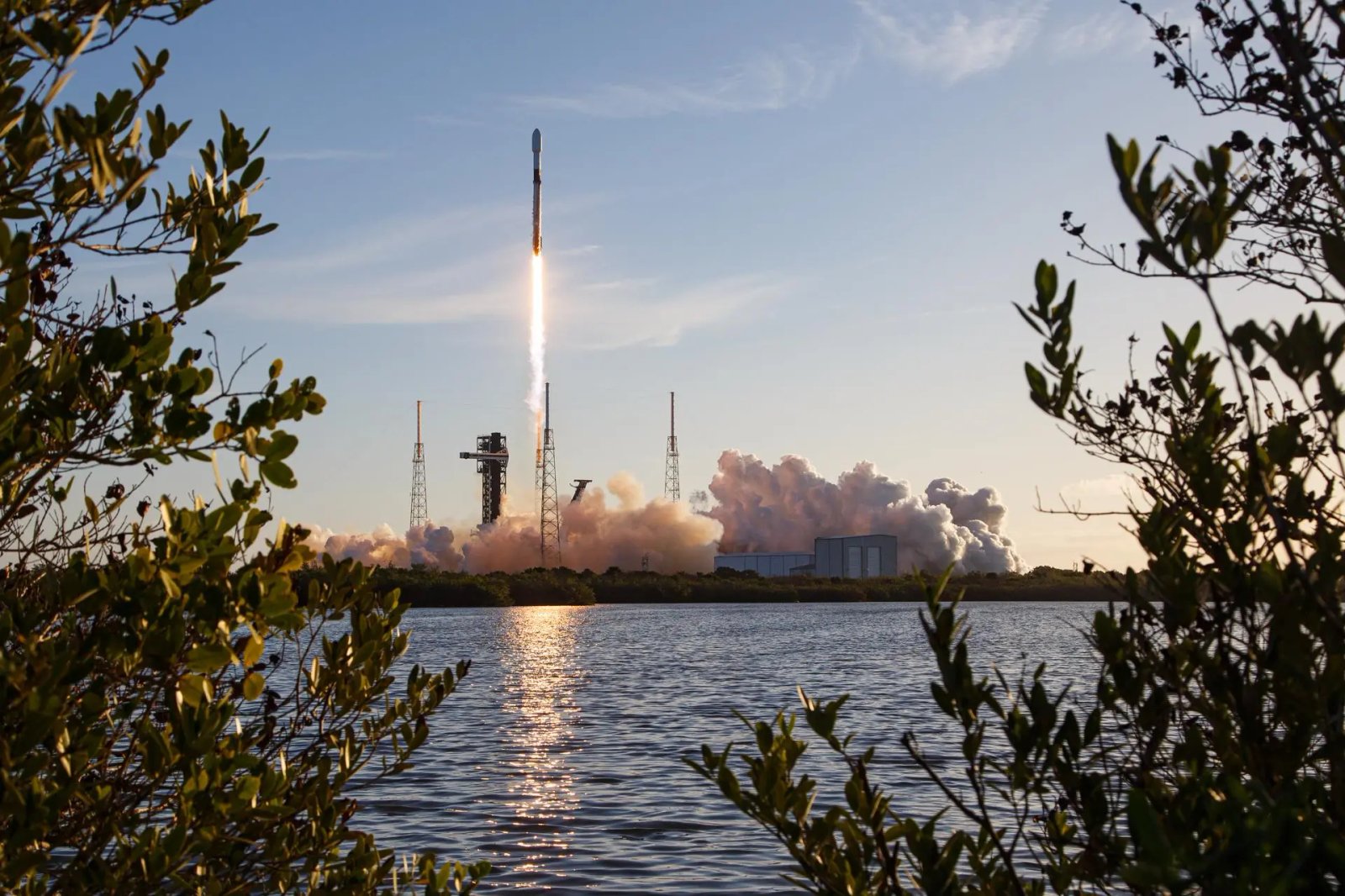
The mission, known as Northrop Grumman Commercial Resupply Services 25, will carry about 11,000 pounds of supplies, equipment and research aboard a Cygnus XL spacecraft. A SpaceX Falcon 9 rocket is scheduled to lift off from Space Launch Complex 40 at Cape Canaveral Space Force Station in Florida.
Launch and arrival coverage
The prelaunch teleconference is set for noon EST Monday and will stream on NASA’s YouTube channel. Participants are Gaurang Patel, operations integration manager for NASA’s Low Earth Orbit Program; Jennifer Buchli, the program’s chief scientist; Dave Schiller, Northrop Grumman’s vice president of civil space and sciences; and Jared Metter, SpaceX’s director of flight reliability.
Media members must contact the NASA Johnson Space Center newsroom by 11 a.m. Nov. 23 to request call details. They can email jsccommu@mail.nasa.gov or call 281-483-5111. Reporters who want to ask questions must dial in at least 10 minutes before the teleconference begins.
NASA’s launch-day coverage is scheduled to begin at 10:25 a.m. Nov. 29, with liftoff targeted for 10:47 a.m. Coverage will include live streaming and blog updates as the countdown proceeds. NASA+ will offer on-demand video, and launch photos will be available shortly after liftoff. View the coverage at NASA’s live page and follow the International Space Station blog for updates.
The spacecraft is scheduled to reach the station Tuesday, Dec. 1. Arrival coverage begins at 1:10 a.m., with capture planned for 2:35 a.m. NASA astronauts Jessica Watkins and Luke Delaney will use the Canadarm2 robotic arm to capture Cygnus XL. Ground controllers will then attach it to the Earth-facing port of the station’s Unity module, where the crew can unload its cargo.
Members of the public can register to attend the launch virtually. NASA’s virtual guest program offers launch resources and notifications about related opportunities or schedule changes. Participants also can receive a stamp for their NASA virtual guest passport after launch. NASA invites viewers to follow and tag its official accounts on X, Facebook and Instagram.
Research aboard the spacecraft
The mission will carry experiments aimed at improving drug delivery for cancer and osteoarthritis, predicting how cancer spreads, and developing treatments for muscle loss. Other investigations will test radiation-sensing methods and technologies for producing food on future long-duration missions.
These projects could help researchers evaluate approaches for health care and life beyond low Earth orbit. Their presence aboard the station does not guarantee that a treatment or technology will be ready for routine use. Testing in space provides a research setting; further study will be needed to determine which results can translate into practical applications.
The mission also demonstrates the logistics behind station operations. A robotic capture and installation lets the station crew receive a large cargo vehicle without docking it under its own power. The process relies on coordination among astronauts, ground controllers and the spacecraft teams, and on the station’s robotic arm and operating systems.
Cygnus XL is named the S.S. James “Jim” A. Lovell, honoring the former NASA astronaut. Lovell flew four missions: Gemini VII, Gemini XII, Apollo 8 and Apollo 13, which traveled around the Moon.
The spacecraft is scheduled to remain at the orbiting laboratory until May 2027. It will then depart carrying several thousand pounds of disposal items and other unneeded cargo, which are expected to burn up during re-entry.
More information about the mission is available at NASA’s Northrop Grumman CRS-25 page.
Discover More Technology Insights
Learn how the Internet of Things (IoT) is transforming everyday life.
Discover archived knowledge and digital history on the Internet Archive.
Space
