
Close Menu
    Facebook X (Twitter) Instagram
    Monday, July 20
    Top Stories:
    • Mac Pro: Almost Equipped with a Game-Changing M3 Extreme Chip!
    • China’s AI Race: Huawei, Humanoids, and Xi’s WAIC Spotlight
    • Revolutionizing Fluorescence Lifetime Imaging with Fast, Denoising Technology
    Facebook X (Twitter) Instagram Pinterest Vimeo
    IO Tribune
    • Home
    • AI
    • Tech
      • Gadgets
      • Fashion Tech
    • Crypto
    • Smart Cities
      • IOT
    • Science
      • Space
      • Quantum
    • OPED
    IO Tribune
    Home » Nature’s Fury: Unraveling Super Typhoon Bavi
    Space

    Nature’s Fury: Unraveling Super Typhoon Bavi

    Staff ReporterBy Staff ReporterJuly 9, 2026No Comments3 Mins Read
    Share Facebook Twitter Pinterest LinkedIn Tumblr Reddit Telegram Email
    Share
    Facebook Twitter LinkedIn Pinterest Email

    Fast Facts

    1. Super Typhoon Bavi struck the Northern Mariana Islands and Guam in July 2026.
    2. Bavi reached peak winds of 290 km/h, causing extensive damage.
    3. Coast Guard cleared hazards and reopened ports after the storm’s passing.
    4. Meteorologist predicts more intense storms due to a strong El Niño.

    Super Typhoon Bavi: A NASA Science Perspective

    In early July 2026, Super Typhoon Bavi made headlines as it swept across the U.S. Northern Mariana Islands and Guam. This remarkable storm reached peak intensity just after midnight local time on July 6, packing winds of 290 kilometers (180 miles) per hour. The combination of fierce winds, torrential rain, and dangerous storm surges brought significant devastation to the area.

    The Formation and Impact of Bavi

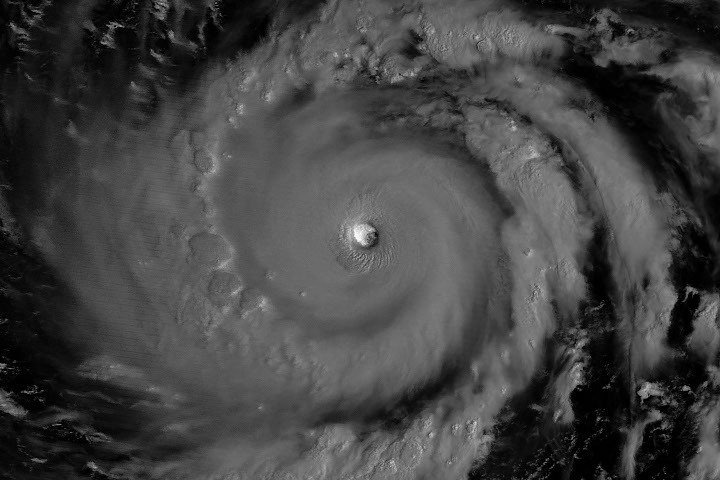
    Bavi transformed into a super typhoon in the early hours of July 4, fueled by warm ocean waters, with surface temperatures around 30 degrees Celsius (86 degrees Fahrenheit). Satellite imagery from the VIIRS on the NOAA-20 satellite provided stunning nighttime views of the storm, capturing the eye of Bavi as it approached Rota. The image illustrated the storm’s massive structure, with the western eyewall illuminated by moonlight.

    Impacts on the islands were severe. Reports indicated extensive damage as Bavi downed power lines and trees, disrupted transportation by flooding roads, and damaged critical infrastructure, including a water distribution station on Rota. The U.S. Coast Guard quickly mobilized to clear navigation hazards, ensuring safety as marine conditions began to improve. This disaster followed the recent effects of Super Typhoon Sinlaku, which swept through the region just three months earlier.

    Future Projections and Climate Context

    As of July 8, Bavi continued its journey westward over the Philippine Sea with maximum sustained winds of 250 kilometers (155 miles) per hour. Weather forecasts suggested that the storm could veer northwest toward Taiwan and southern Japan, with expectations of weakening in the following days. Meteorologist Jeff Masters from Yale Climate Connections noted that Bavi’s intensity aligns with patterns emerging during strong El Niño events. This phenomenon tends to allow typhoons to form further east, giving them more time to strengthen before making landfall.

    Bavi serves as a stark reminder of the increasing intensity of tropical cyclones amid changing climate conditions. As research continues, the focus remains on understanding these storms and improving forecasting techniques. The technological advancements made in satellite imaging and data collection by agencies like NASA play a crucial role in monitoring and predicting the paths of such powerful storms. Enhanced awareness and preparedness could mitigate future impacts on vulnerable regions.

    Through continuous observation and research, the science community aims to improve our understanding of storms like Super Typhoon Bavi. By leveraging advanced technology, we can better prepare for the challenges posed by nature’s most powerful forces.

    Expand Your Tech Knowledge

    Stay informed on the revolutionary breakthroughs in Quantum Computing research.

    Explore past and present digital transformations on the Internet Archive.

    Space

    Cosmos Earth Observatory Environment Hurricanes & Typhoons NASA Space Visible Infrared Imaging Radiometer Suite (VIIRS) VT1
    Share. Facebook Twitter Pinterest LinkedIn Tumblr Email
    Previous ArticleUnlock Seamless Living: Google Home’s New Automation Update!
    Next Article Autonomous Cars: A New Barrier for First Responders
    Avatar photo
    Staff Reporter
    • Website

    John Marcelli is a staff writer for IO Tribune, with a passion for exploring and writing about the ever-evolving world of technology. From emerging trends to in-depth reviews of the latest gadgets, John stays at the forefront of innovation, delivering engaging content that informs and inspires readers. When he's not writing, he enjoys experimenting with new tech tools and diving into the digital landscape.

    Related Posts

    AI

    Fix Retrieval Failures, Not Prompts

    July 20, 2026
    Quantum

    AI Agents Build Virtual Playgrounds for Robot Training

    July 20, 2026
    IOT

    Hot Cities: 5 Extreme Mayor Communication Strategies

    July 20, 2026
    Add A Comment

    Comments are closed.

    Must Read

    Fix Retrieval Failures, Not Prompts

    July 20, 2026

    AI Agents Build Virtual Playgrounds for Robot Training

    July 20, 2026

    Hot Cities: 5 Extreme Mayor Communication Strategies

    July 20, 2026

    Loop Engineering: Pre-Retrieval Question Parsing Power

    July 20, 2026

    Google’s Bad Ads Threaten Free Android App Ecosystem

    July 20, 2026
    Categories
    • AI
    • Crypto
    • Fashion Tech
    • Gadgets
    • IOT
    • OPED
    • Quantum
    • Science
    • Smart Cities
    • Space
    • Tech
    Most Popular

    Worldcoin Rival Plunges 88% Amid Security Crisis

    June 9, 2026

    Why Starting and Stopping GLP-1s Might Be Risky

    April 15, 2026

    Social Actions Can Change Climate’s Future Course

    July 13, 2026
    Our Picks

    Pi Network’s Major Upgrade Done, Yet PI Price Soars or Dips Again

    March 18, 2026

    Kalshi and Polymarket Traders Innovate for Alpha

    February 17, 2026

    Introducing Google Pixel 10 Pro Fold: The Sleek Revolution in Foldables!

    October 9, 2025
    Categories
    • AI
    • Crypto
    • Fashion Tech
    • Gadgets
    • IOT
    • OPED
    • Quantum
    • Science
    • Smart Cities
    • Space
    • Tech
    • Privacy Policy
    • Disclaimer
    • Terms and Conditions
    • About Us
    • Contact us
    Copyright © 2025 Iotribune.comAll Rights Reserved.

    Type above and press Enter to search. Press Esc to cancel.