

Top Highlights
- Magnetism is crucial for power, vehicles, and medical tech advancements.
- Altermagnetism combines traits of ferromagnetism and antiferromagnetism without stray fields.
- Scientists created Co₁/₄TaSe₂ to demonstrate experimental evidence of altermagnetism.
- This material may revolutionize spintronics, memory devices, and energy-efficient electronics.
Introducing Altermagnetism: A New Play in Magnetic Science
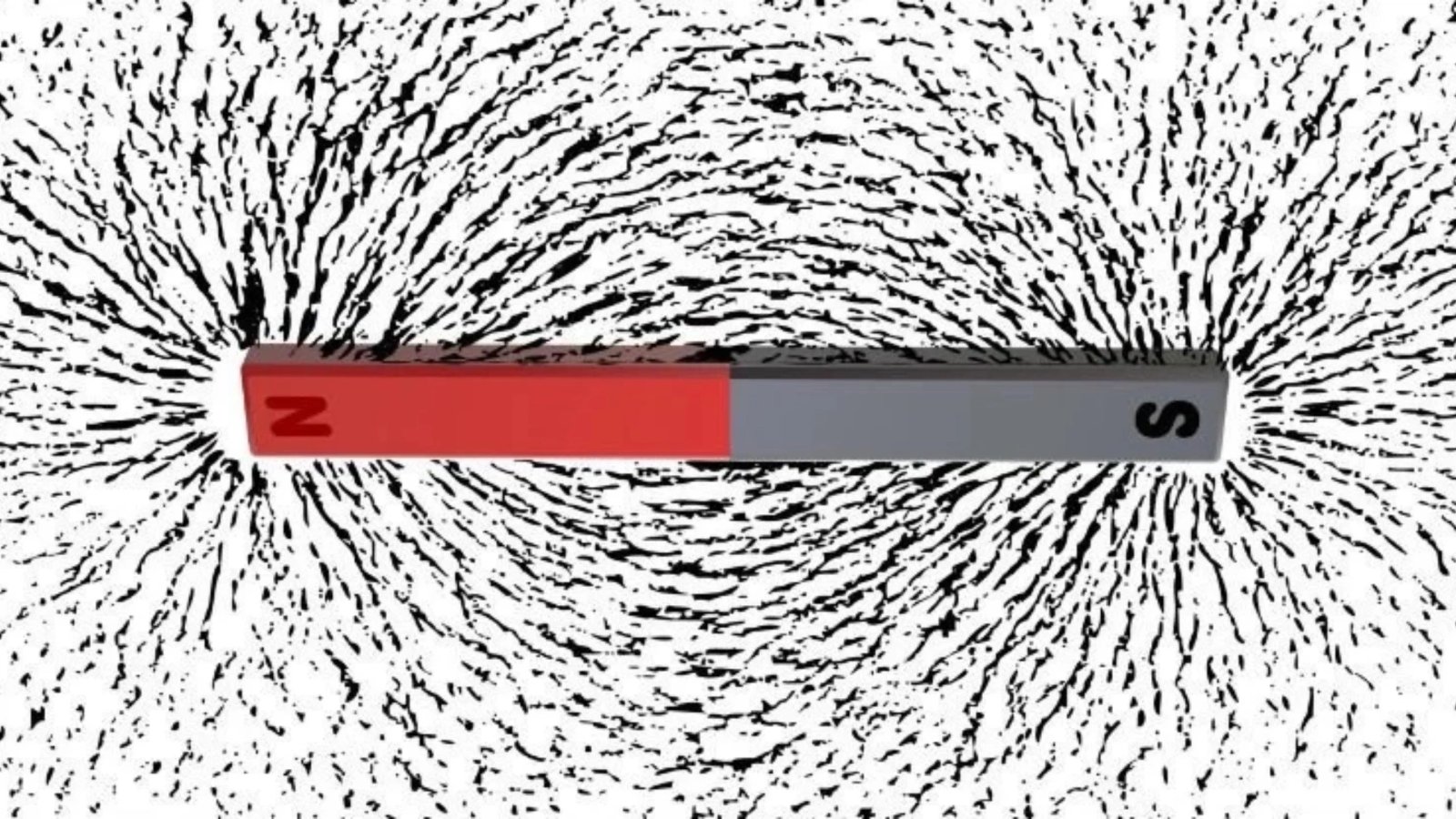
Magnetism is vital for many modern technologies, from powering electric vehicles to medical devices. Traditionally, magnets fall into two categories: ferromagnetism and antiferromagnetism. Ferromagnetic materials, like iron, produce strong magnetic fields with north and south poles but create unwanted stray fields that can interfere with electronics. Antiferromagnetic materials cancel out these stray fields by having opposing magnetic moments, but they are less useful for certain applications.
Scientists have now discovered a third type called altermagnetism. This new form combines the best qualities of the others, eliminating stray fields while still splitting electron spins effectively. Researchers created a layered crystal called Co₁/₄TaSe₂, made from cobalt, tantalum, and selenium, to prove this. They heated the materials at high temperatures to form the specific structure needed. Using advanced tools, they confirmed that the electrons within this crystal split into groups with opposite spins, without producing stray magnetic fields. This breakthrough could lead to faster, more efficient electronic devices and increased data security. Layered altermagnets like Co₁/₄TaSe₂ may take us closer to compact, versatile spintronic technologies, shaping the future of electronics where sandwiches of layered materials could become the norm.
Continue Your Tech Journey
Stay informed on the revolutionary breakthroughs in Quantum Computing research.
Explore past and present digital transformations on the Internet Archive.
QuantumV1
