

Quick Takeaways
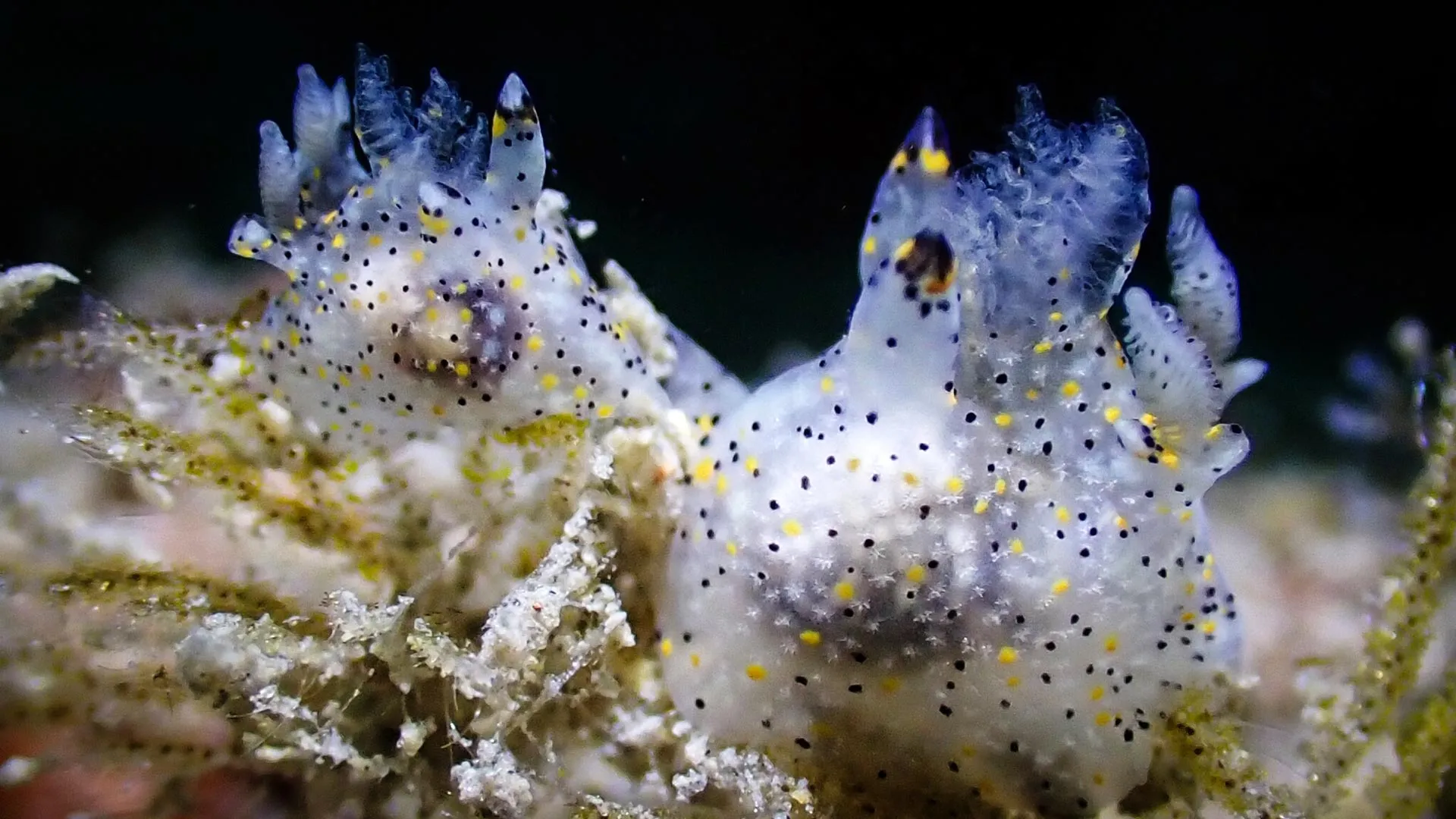
- A new sea slug species, Thecacera sesama, discovered near Keelung, Taiwan.
- Named for its sesame seed resemblance, measuring under three millimeters long.
- Discovery made by student Ho-Yeung Chan during a 2019 dive.
- Challenges in research due to harsh weather limit study opportunities year-round.
The Discovery of Thecacera sesama
A tiny sea slug, smaller than a grain of rice, has gained attention in the scientific community. Found off the coast of Keelung in northern Taiwan, Thecacera sesama has distinctive black and yellow markings. Researchers from National Taiwan Ocean University, the National Museum of Natural Science, and National Taipei University of Education officially recognized this diminutive creature, naming it for its resemblance to sesame seeds.
Lead researcher Ho-Yeung Chan made the groundbreaking discovery during a recreational dive in 2019. At first, he didn’t realize he had stumbled upon a species unknown to science. A simple online inquiry to an expert revealed the slug’s significance. This serendipitous find highlights the potential for more unexpected discoveries in marine environments.
Researching this species proved challenging. Taiwan’s harsh underwater conditions limit the research window to about four months each year. Typhoons and winter monsoons create difficulties for divers, resulting in unpredictable visibility and cold waters. Locating such small creatures often relies on sheer luck, making the challenge even greater.
Implications for Marine Biodiversity
This tiny sea slug lives a straightforward life. It focuses on four essential activities: feeding, searching, mating, and laying eggs. Found on bryozoans, known as “moss animals,” Thecacera sesama may even inhabit a species previously unknown to science. The interconnectedness of life under the sea supports a fragile ecosystem, where even the smallest creatures play crucial roles.
Nudibranchs like Thecacera sesama contribute significantly to marine food webs. Despite their vibrant colors, many of these creatures are elusive. This discovery underscores the reality that scientists may have only scratched the surface of Taiwan’s marine biodiversity. The ocean holds many secrets, and the hidden gems of the aquatic world often go unnoticed.
The study published in the open-access journal ZooKeys showcases the ongoing effort to reveal these hidden treasures. As researchers continue their exploration, they illuminate the urgent need for marine conservation and deeper understanding of our oceanic ecosystems. The surprising find of Thecacera sesama encourages a broader exploration of the marine world, reminding us that countless species await discovery just beyond our view.
Discover More Technology Insights
Learn how the Internet of Things (IoT) is transforming everyday life.
Explore past and present digital transformations on the Internet Archive.
TechV1
