

Summary Points
- Naiyiri-Blu Brooker developed a marine life obsession despite living in Germany.
- Frustrated with biology studies, she pursued marine research opportunities at LUMCON.
- Her research revealed unexpected findings about species richness near shorelines.
- The REU program significantly shaped her career path toward marine biology.
Beyond the Classroom: The Power of Research Experiences
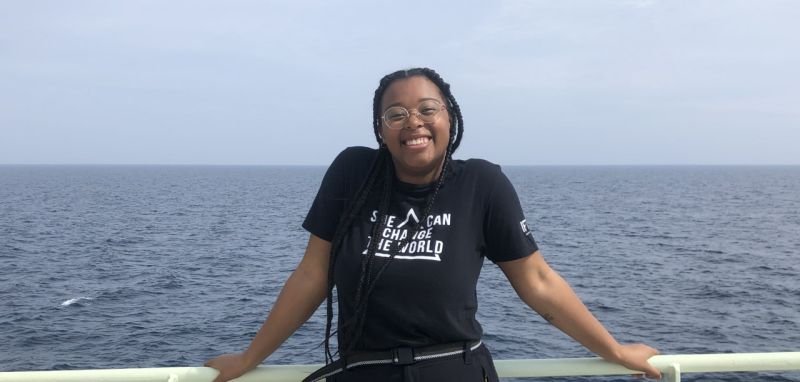
Naiyiri-Blu Brooker’s journey from rural Germany to the vibrant waters of Louisiana exemplifies the transformative impact of hands-on research. Growing up in a military family, her fascination with marine life started early. She captivated her family with presentations about marine organisms, sparking a passion that persisted despite her initial environmental limitations.
After relocating to New York and enrolling at Lehman College, she faced a challenge: the biology program lacked a marine focus. Frustrated but determined, she discovered the NSF’s Research Experiences for Undergraduates (REU) program at the Louisiana Universities Consortium for Marine Sciences (LUMCON). This program offers students like Naiyiri invaluable opportunities to engage in research, gain practical skills, and experience life beyond the classroom.
The NSF understands that connecting students with cutting-edge research enhances their education. According to Lisa Rom, a director in the NSF’s Division of Ocean Sciences, the REU program not only fosters scientific inquiry but also encourages students to see themselves as scientists. This investment in the next generation ensures a robust scientific workforce.
Through LUMCON, Naiyiri explored the biodiversity of Terrebonne Bay. Working closely with mentors, she collected marine samples and immersed herself in laboratory analysis. Her research challenged her initial hypotheses about species richness, highlighting that scientific discovery often unfolds in unexpected ways. The experience taught her that even inconclusive results contribute to the broader understanding of marine ecosystems.
Diving Deep: Exploring New Frontiers
Naiyiri’s path didn’t stop at coastal research. She later joined an expedition aboard the NSF-supported Research Vessel Atlantis, diving into the mysteries of deep-sea woodfalls. Here, she witnessed firsthand how unique ecosystems thrive in the depths of the Gulf of Mexico. Learning about the behaviors of deep-sea species opened her eyes to the complexity of these environments.
The expedition revealed that food sources in the deep sea, like decaying wood, attract a variety of species. Naiyiri’s excitement was palpable as she described the vibrant life surrounding these “pop-up restaurants.” Her observations highlighted the intricate relationships between organisms in an ecosystem often overlooked.
The NSF’s commitment to funding such research opportunities pervades the experience of budding scientists. The organization paves the way for diverse students to explore the frontiers of marine research, nurturing their passion for science. For Naiyiri, the REU program ignited a robust connection to marine biology, propelling her toward graduate school and a meaningful career in research.
In today’s technological landscape, programs like those offered by the NSF bridge the gap between education and real-world application. They produce not just scientists but informed advocates for marine life, fostering appreciation and understanding of the ocean’s vital role. As students dive deeper into their fields, they carry with them the passion and knowledge to drive future discoveries in marine science.
Stay Ahead with the Latest Tech Trends
Learn how the Internet of Things (IoT) is transforming everyday life.
Explore past and present digital transformations on the Internet Archive.
TechV1
