

Summary Points
- The 2026 Pacific cyclone season is busier than average with 20 storms.
- Hurricanes Polo and Nolo caused significant damage in Mexico and Hawaiʻi.
- Polo rapidly intensified to Category 5 before weakening at landfall.
- El Niño conditions are boosting cyclone activity this season significantly.
Powerful Storms Continue to Prowl the Pacific
The 2026 tropical cyclone season in the northeastern and central Pacific has been intense. By late September, the region had already seen 20 named storms, with nine strong enough to be hurricanes. For comparison, the average in recent decades by that time is about 13.5 storms, with 7.4 hurricanes. This season has been notably busier and more active than usual.
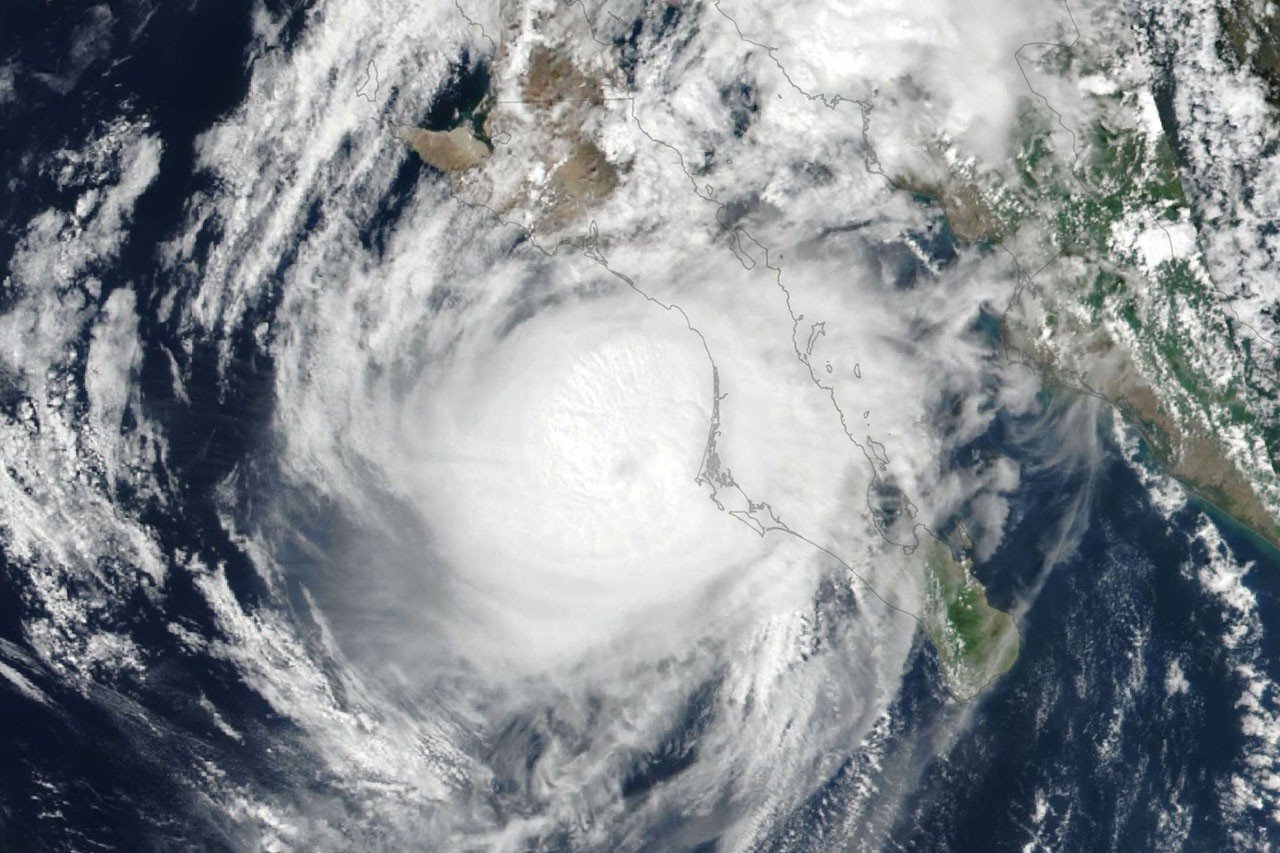
Satellite images from NASA’s EPIC camera on the DSCOVR satellite reveal a basin filled with powerful storms. Hurricane Nolo near Hawaiʻi and Hurricane Polo off Baja California have caused significant damage with high winds, storm surge, and heavy rain. Alongside them, Tropical Storm Rachel and Post-Tropical Cyclone Odalys are creating hazardous conditions along Mexico’s coast and in the southwestern United States. These storms are not only challenging but also demonstrate how warm ocean waters and specific atmospheric patterns fuel their strength and speed.
Hurricane Polo’s Rapid Growth and Landfall
Hurricane Polo underwent dramatic intensification over warm ocean waters before hitting Baja California Sur around 11 p.m. local time on September 28. The storm rapidly strengthened into a Category 5 on September 22 due to the unusually warm sea surface temperatures. As it neared land, Polo weakened to a Category 2, according to the National Hurricane Center (NHC). It then crossed the peninsula and Gulf of California, making a second landfall near Guaymas by midday September 29. Authorities issued warnings for dangerous winds, flooding, and mudslides in Baja California Sur and Sonora. The storm’s remnants are expected to bring heavy rain and flood risks to parts of the southwestern U.S. and southern Plains over the coming days. Meanwhile, Tropical Storm Rachel remains close to Mexico, bringing its own threats of strong winds and dangerous surf.
Hurricane Polo’s intense rapid intensification is a sign of how climate change and warming ocean temperatures are affecting weather patterns. Warmer waters act like fuel, allowing storms to grow faster and become more powerful. Once Polo weakened near land, it still caused significant weather hazards, including potential flooding, mudslides, and storm surge—highlighting the danger of these rapidly developing storms.
Storms Impact Hawaiʻi and the Pacific Basin
Hawaiʻi also faces the threat of hurricanes, with Hurricane Nolo delivering heavy rain and flooding. Although it did not make landfall, Nolo dumped more than 12 inches of rain on parts of Maui and Hawaiʻi Island. Roads flooded, trees toppled, and landslides occurred, but the islands avoided some of the damage seen in August from a previous hurricane, Lala. These storms continue to bring heavy rain and dangerous conditions to the islands, testing the resilience of local communities.
Data shows the accumulated cyclone energy in the Northeast Pacific is more than twice the average for this time of year. Scientists link the increase to El Niño conditions, which have been present since June. El Niño patterns — warm ocean waters and low wind shear — encourage more storms and stronger hurricanes in the basin. The combination of climate factors makes the season more active and unpredictable.
NASA’s Disasters Program, working with FEMA, is helping Hawaii prepare and respond to Hurricane Nolo. The team is releasing maps and data to support local efforts, showing how advanced technology helps track and manage these extreme weather events.
These storms serve as reminders of the power of nature and the changing climate. They threaten communities, challenge response teams, and underscore the need for continued vigilance and scientific understanding. As the Pacific basin faces a busy hurricane season, ongoing research and technology will be crucial in predicting storms and minimizing their impact.
Expand Your Tech Knowledge
Explore the future of technology with our detailed insights on Artificial Intelligence.
Access comprehensive resources on technology by visiting Wikipedia.
Space
