

Essential Insights
- Sony still makes Xperia phones, but it no longer sells them officially in the US.
- Its camera-focused features and premium pricing struggled to compete with Apple, Samsung and carrier-friendly alternatives.
- The latest Xperia models retain features like headphone jacks and expandable storage, but are sold only in select markets.
- US buyers must import them—and may face limited 5G support—making Xperia a costly choice for Sony loyalists.
Whatever Happened to Sony Xperia Phones?
Sony’s phone business lost its place in the U.S.
Sony still makes Xperia phones. But buying one in the United States takes more effort than it once did. Sony’s U.S. mobile store now lists three products, and none is a phone.
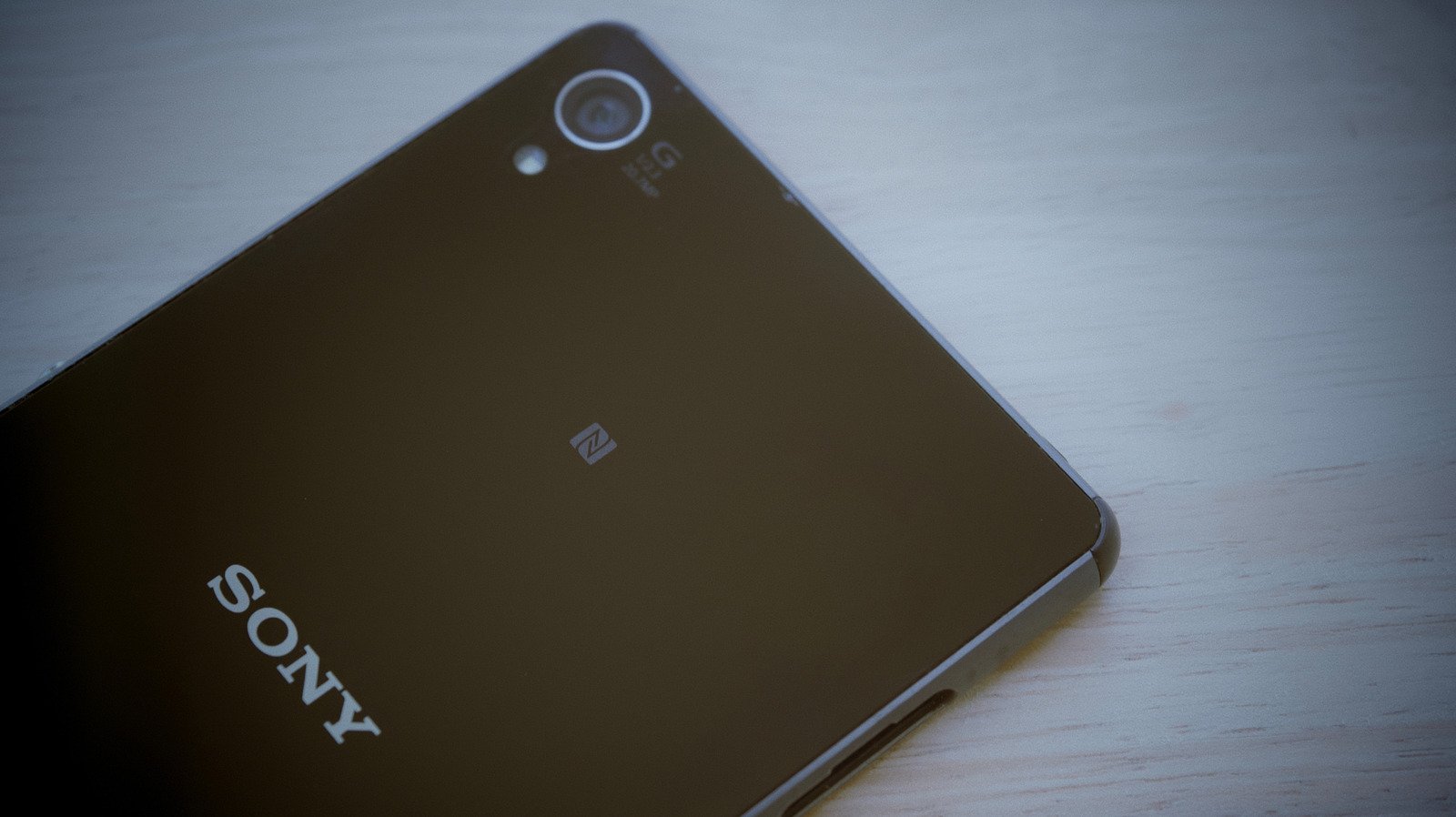
That marks a sharp change for a company once known for distinctive devices. The Xperia Z1, for example, offered water resistance and a magnetic charging dock. The dock felt like a very Sony touch: unusual, useful to some people and easy to remember.
Sony released the Xperia 1 V in 2023. It became the last high-end Xperia phone that Sony officially sold in the U.S. Since 2024, the company has skipped the U.S. market with its flagship successors. The Xperia line continues elsewhere, but American buyers must look beyond ordinary carrier stores.
The shift reflects more than a change in Sony’s strategy. The smartphone market has become harder for smaller players to enter. Apple and Samsung dominate U.S. sales. In the second quarter of 2026, the two companies accounted for 84% of U.S. smartphone shipments. Sony’s share fell so low that industry reports no longer listed it separately.
Sony’s own sales tell a similar story. The company sold 39.1 million smartphones in the fiscal year that ended in March 2015. By fiscal 2020, that figure had dropped to 2.9 million.
The competition grew intense at home, too. Apple captured more than half of Japan’s smartphone purchases in October and November 2014. In the U.S., iPhones made up half of all smartphones in use by the end of 2022. Meanwhile, brands such as Xiaomi, Oppo and Vivo expanded around the world. LG, another familiar phone maker, closed its smartphone business in 2021.
Xperia’s strengths became a niche
Sony built Xperia phones around photography and media. That focus gave the devices a clear identity. It also made them harder to sell to people who simply wanted a dependable phone with a carrier plan.
For example, the Xperia 1 V offered extensive manual camera controls and a physical shutter button. It could also serve as a display for compatible Sony Alpha cameras. Those tools can help photographers who want more control. Yet many everyday buyers may prefer a straightforward camera and a phone they can purchase through their carrier.
Sony’s premium phones also sat outside the usual carrier sales channels in the U.S. In 2023, the company sold the unlocked Xperia 1 V through authorized retailers for about $1,400. That price and limited availability made it a tougher choice beside phones that carriers promote and finance.
Still, Sony’s approach has real appeal. Xperia phones preserve features that many competitors have dropped. The latest flagship, the Xperia 1 VIII, includes a headphone jack, expandable microSD storage and a dedicated shutter button. Those choices matter to people who use wired headphones, keep large media libraries or take photos often.
The question is whether those advantages justify the cost. Sony priced the Xperia 1 VIII at £1,399 in the U.K., or about $1,880. Its midrange Xperia 10 VIII costs £549, or about $737. These prices place the phones well above many mainstream options, especially when U.S. buyers must also account for importing and possible service limitations.
Xperia survives, but U.S. buyers face hurdles
Sony announced the Xperia 1 VIII in May 2026 and the Xperia 10 VIII in August. The company sells Xperia phones in Japan and selected European markets, including the U.K., Germany and France. It has not announced a U.S. release for either new model.
That leaves American fans with the import route. However, an imported phone may not deliver full service on every U.S. network. Some Xperia 1 VIII owners have reported LTE service without 5G. Another user said a software update ended 5G access on an Xperia 1 VI that had worked with T-Mobile before.
Those reports involve a small number of users. They do not show that every imported Xperia will face the same problem. Even so, Sony’s carrier guidance has long described compatibility as a challenge. Buyers should check their carrier’s supported network bands and confirm service before spending heavily.
Sony offers one meaningful counterpoint: long-term software support. The Xperia 1 VIII promises up to four Android operating-system upgrades and six years of security updates. That commitment can help a phone feel like a better long-term purchase.
Ultimately, Xperia phones have not disappeared. They have become specialist devices for buyers who value Sony’s camera tools, audio features and hardware choices. For U.S. shoppers, though, the experience now demands extra research, extra money and some tolerance for uncertainty. Sony still makes distinctive phones. The harder question is whether their strengths outweigh the work it takes to own one.
Expand Your Tech Knowledge
Learn how the Internet of Things (IoT) is transforming everyday life.
Access comprehensive resources on technology by visiting Wikipedia.
CellphonesV1
