

Quick Takeaways
-
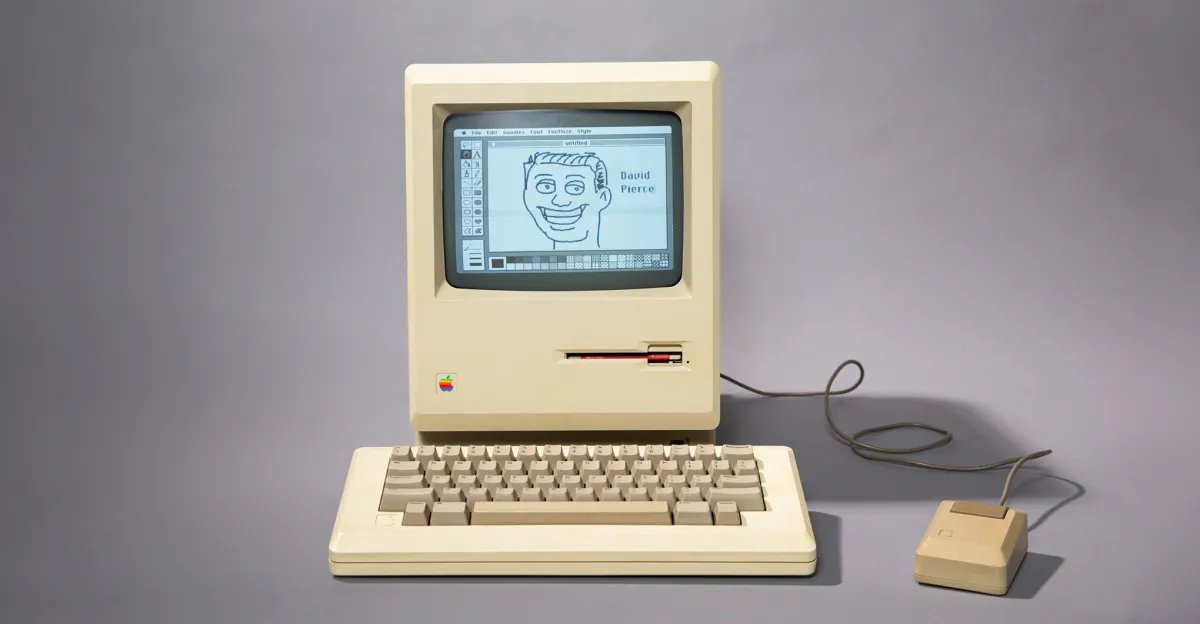
Dual Legacies: The Macintosh’s legacy encompasses both its impact as a pioneering computer and its iconic Super Bowl commercial, which significantly heightened anticipation for its launch.
-
Initial Limitations: Upon release, the Macintosh struggled with memory shortages, software compatibility, and customization options, leading to initial commercial failures.
-
Visionary Design: Despite early challenges, the Macintosh revolutionized computer use with an emphasis on simplicity and cohesive hardware-software design, influencing future computing standards.
-
Cultural Impact: The ongoing debate around the Macintosh’s legacy highlights the tension between product innovation and marketing, questioning whether the computer or its promo shaped its iconic status.
The Legacy of Pioneering Design
The Macintosh revolutionized personal computing. Initially, it faced numerous challenges. For instance, it lacked sufficient memory and software support. Moreover, the device wasn’t customizable, putting it at a disadvantage compared to PCs. However, it introduced a new philosophy. Computers needed to be user-friendly and visually appealing. This shift set the stage for future developments in the tech industry. The Macintosh emphasized the importance of design in hardware and software. As it turned out, that focus would shape the computers we now use every day.
Iconic moments often accompany landmark innovations. The Macintosh debuted alongside one of the most memorable commercials in Super Bowl history. This ad generated immense hype, capturing the public’s attention. Many remember the excitement it created, placing the Macintosh in a unique cultural context. Although sales were initially low, the hype surrounding the product demonstrated the potential for impactful storytelling in technology marketing.
Transforming the Future of Computing
Despite its early shortcomings, the Macintosh paved the way for future advancements. It taught developers that simplicity mattered. As a result, users began to seek interfaces that facilitated rather than hindered their experiences. Over time, Apple fixed many technical issues, gradually transforming the Macintosh into a viable option for consumers. Furthermore, it prompted competitors to rethink their strategies. They had to adapt to a demand for more intuitive designs.
The enduring legacy of the Macintosh goes beyond hardware. It established standards for user experience that are still important today. People expect technology to work seamlessly. They appreciate aesthetic appeal as much as functionality. Consequently, the Macintosh reshaped how companies approach product development. It marks a significant moment in the ongoing journey of technology and its role in people’s lives. Thus, the Macintosh changed computers forever, reminding us that innovation isn’t solely about what works; it’s also about how it connects with those who use it.
Expand Your Tech Knowledge
Learn how the Internet of Things (IoT) is transforming everyday life.
Access comprehensive resources on technology by visiting Wikipedia.
TechV1
