

Top Highlights
-
On March 12, 2026, the Morrill fire in Nebraska erupted and rapidly spread, burning over 640,000 acres, making it the state’s largest wildfire in history.
-
By March 29, the fire was fully contained, while two smaller fires, Ashby and Minor, ignited later in the month.
-
The 2026 wildfire season saw unusually high activity nationwide with 15,436 fires burning over 1.5 million acres by March 27, significantly above the 10-year averages.
-
Contributing factors included exceptionally dry fuels and weather conditions, leading to severe impacts on ranch lands, wildlife habitats, and livestock in the affected areas.
Fires Tear Through Nebraska Grasslands
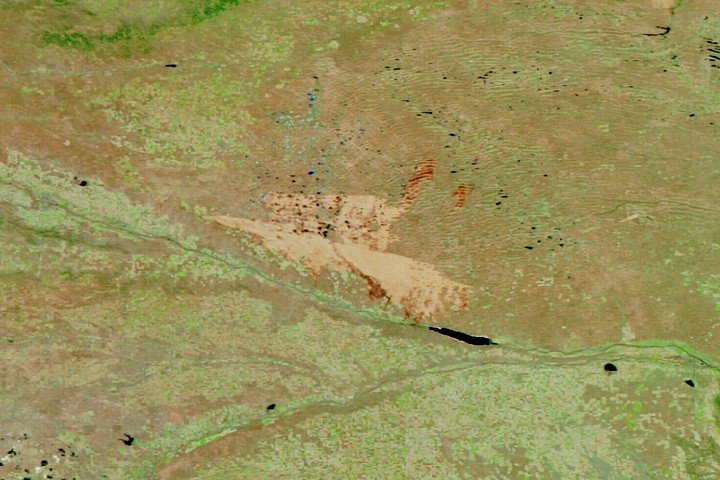
On March 12, 2026, a wildland fire erupted in Morrill County, Nebraska, changing the landscape dramatically. Gusty winds rapidly spread flames, covering 70 miles in just 12 hours. Within a week, the Morrill fire scorched over 640,000 acres, marking Nebraska’s largest wildfire ever.
As of March 29, authorities had fully contained the Morrill fire. However, two smaller fires, named Ashby and Minor, ignited shortly after. These blazes began on March 26 and threatened additional areas. Comparatively, recent images highlight the stark transformation in the scenery, with vast stretches of land now charred.
Experts attribute the surge in wildfires to unusually dry conditions across the Great Plains. The National Interagency Fire Center (NIFC) reported that as of March 27, the U.S. faced 15,436 fires consuming over 1.5 million acres. This total significantly exceeds the 10-year average for the same period.
Moreover, an exceptionally warm winter led to lower precipitation levels, decreasing soil moisture. As a result, grasses and shrubs became highly flammable. These factors combined created a precarious fire environment earlier than usual.
The impact on local communities has been substantial. Ranchers faced significant losses with damaged homes, barns, and livestock. The Morrill fire also affected the Crescent Lake National Wildlife Refuge. Although the area suffered, migratory birds, including hundreds of thousands of sandhill cranes, continued their journey through the Platte River valley.
Despite challenges, recovery efforts are underway. Local leaders and communities are focusing on rebuilding and implementing better fire prevention strategies. These events underline the importance of enhancing technology to predict and manage wildfires more effectively.
As Nebraska navigates the aftermath, residents demonstrate resilience. With community support and advancements in fire management, hope persists for recovery and renewal in the grasslands.
Expand Your Tech Knowledge
Dive deeper into the world of Cryptocurrency and its impact on global finance.
Discover archived knowledge and digital history on the Internet Archive.
SciV1
