
Close Menu
    Facebook X (Twitter) Instagram
    Wednesday, June 10
    Top Stories:
    • Apple’s Tough Love: Apps at Risk for Low User Engagement
    • Microsoft Cuts Hundreds of Cloud Jobs Amid Tightening Data Laws
    • Bemotrizinol Boosts Sunscreen Defense with Cutting-Edge Protection
    Facebook X (Twitter) Instagram Pinterest Vimeo
    IO Tribune
    • Home
    • AI
    • Tech
      • Gadgets
      • Fashion Tech
    • Crypto
    • Smart Cities
      • IOT
    • Science
      • Space
      • Quantum
    • OPED
    IO Tribune
    Home » Countdown to Innovation: Exploring the US-India Radar Revolution
    Space

    Countdown to Innovation: Exploring the US-India Radar Revolution

    Staff ReporterBy Staff ReporterJuly 17, 2025No Comments2 Mins Read
    Share Facebook Twitter Pinterest LinkedIn Tumblr Reddit Telegram Email
    Share
    Facebook Twitter LinkedIn Pinterest Email

    Top Highlights

    1. Dual Radar Systems: NISAR features an S-band radar from ISRO and an L-band radar from NASA, employing synthetic aperture radar (SAR) to monitor Earth’s land and ice surfaces bi-weekly.

    2. Disaster Response: The radar’s ability to penetrate clouds will enhance disaster response efforts during severe weather events like hurricanes and flooding, providing critical data.

    3. Scientific Insights: It will help scientists analyze natural hazards, including earthquakes and landslides, by measuring key surface attributes and detecting both gradual and rapid changes.

    4. Collaborative Effort: Managed by Caltech and involving multiple ISRO centers, the mission represents a significant international collaboration in Earth observation technology.

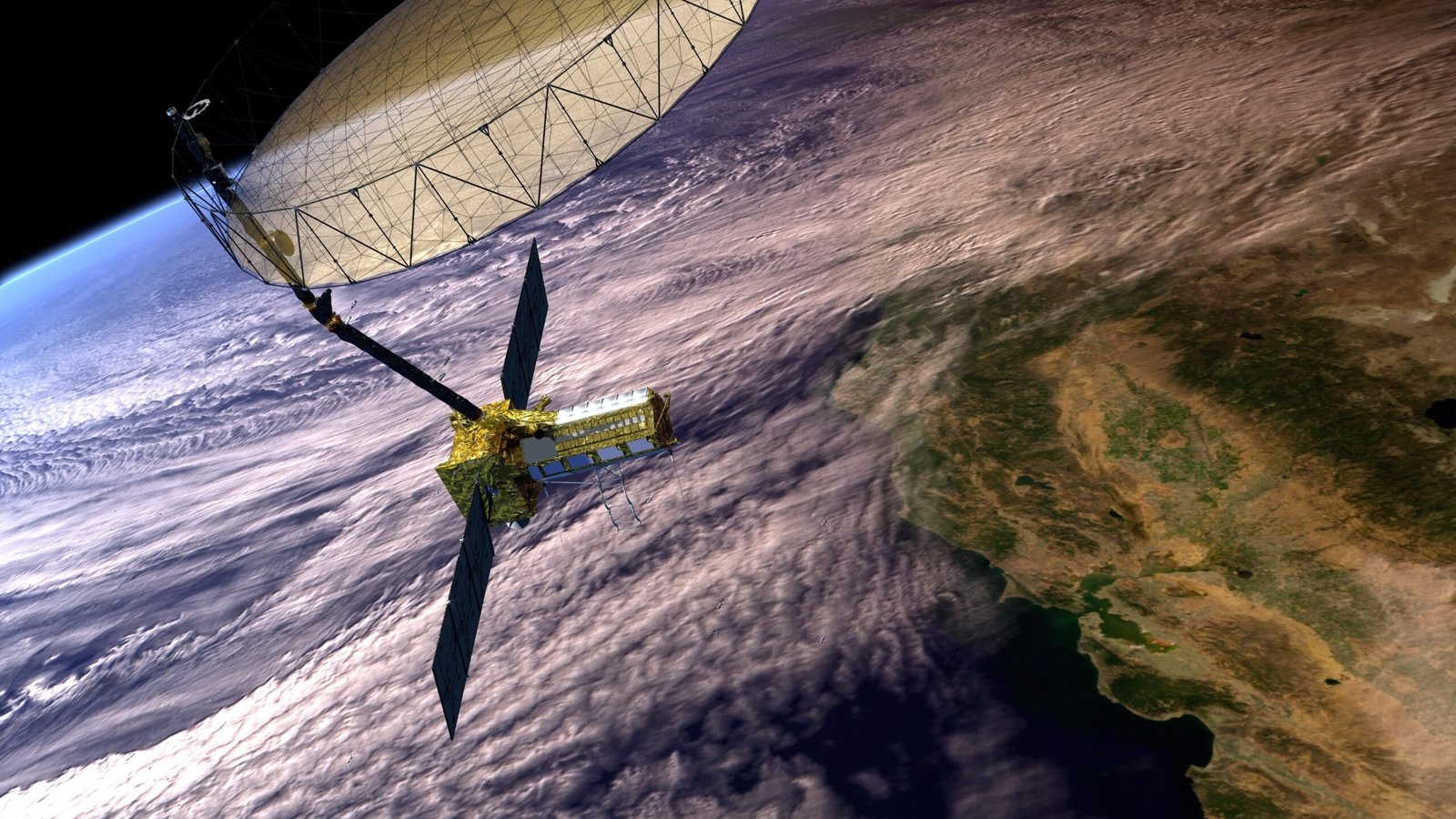
    NASA plans to showcase the upcoming U.S.-India radar mission, known as NISAR, before its launch. This collaboration promises significant advancements in Earth observation technology.

    NISAR, equipped with two radar instruments, will enhance our understanding of the planet. The S-band system, developed by the Indian Space Research Organisation (ISRO), complements NASA’s L-band system. Together, they will utilize synthetic aperture radar (SAR) techniques to survey nearly all land and ice surfaces on Earth twice every 12 days.

    Importantly, each radar system measures different attributes. The S-band focuses on moisture content and surface roughness, while the L-band detects movement. These capabilities help scientists analyze natural hazards. For example, they can monitor earthquakes, volcanic eruptions, and landslides more effectively.

    Moreover, NISAR’s ability to penetrate clouds will be crucial during weather disasters. It will enhance urgent responses to hurricanes and flooding, aiding communities in need. The mission will also create detailed maps, revealing gradual and sudden changes to our environment.

    NASA’s Jet Propulsion Laboratory (JPL) will lead the U.S. component of NISAR. They contribute the L-band SAR, radar antenna, and communication subsystems crucial for data transmission. Meanwhile, ISRO has provided significant support through multiple centers, including the S-band SAR and the spacecraft bus.

    This international mission highlights a collaboration that enhances technology and promotes scientific advancement. It promises to improve our understanding of the Earth, ultimately benefiting society. For more on the NISAR mission, visit the official website.

    Discover More Technology Insights

    Stay informed on the revolutionary breakthroughs in Quantum Computing research.

    Access comprehensive resources on technology by visiting Wikipedia.

    SciV1

    Cosmos NASA Space VT1
    Share. Facebook Twitter Pinterest LinkedIn Tumblr Email
    Previous ArticleNetflix Soars: 95 Billion Hours Streamed and Ads on the Rise!
    Next Article Google Takes Legal Action Against BadBox 2.0 Botnet
    Avatar photo
    Staff Reporter
    • Website

    John Marcelli is a staff writer for IO Tribune, with a passion for exploring and writing about the ever-evolving world of technology. From emerging trends to in-depth reviews of the latest gadgets, John stays at the forefront of innovation, delivering engaging content that informs and inspires readers. When he's not writing, he enjoys experimenting with new tech tools and diving into the digital landscape.

    Related Posts

    Science

    Decoding Zebrafish Brain Signals to Forecast Social Behavior

    June 9, 2026
    Tech

    Apple’s Tough Love: Apps at Risk for Low User Engagement

    June 9, 2026
    AI

    Gemini 3.5 Live Translate – Now Available!

    June 9, 2026
    Add A Comment

    Comments are closed.

    Must Read

    Decoding Zebrafish Brain Signals to Forecast Social Behavior

    June 9, 2026

    Apple’s Tough Love: Apps at Risk for Low User Engagement

    June 9, 2026

    Gemini 3.5 Live Translate – Now Available!

    June 9, 2026

    Microsoft Cuts Hundreds of Cloud Jobs Amid Tightening Data Laws

    June 9, 2026

    Bemotrizinol Boosts Sunscreen Defense with Cutting-Edge Protection

    June 9, 2026
    Categories
    • AI
    • Crypto
    • Fashion Tech
    • Gadgets
    • IOT
    • OPED
    • Quantum
    • Science
    • Smart Cities
    • Space
    • Tech
    • Technology
    Most Popular

    Techstars Boosts Startup Funding to $220K, Emulating Y Combinator

    April 18, 2025

    Hidden Discoveries: Your Nature Photo Could Hold the Key!

    August 3, 2025

    Netflix Stops Mobile Casting for Newer TVs

    December 1, 2025
    Our Picks

    Zhipu AI Accelerates Toward Human-Level Intelligence with Open Source Commitment

    December 28, 2025

    Unveiling Secrets: Transforming Colon Cancer Treatment

    April 3, 2026

    Social Media on Trial: Tech Giants Face Accountability for Addiction and Mental Health

    February 18, 2026
    Categories
    • AI
    • Crypto
    • Fashion Tech
    • Gadgets
    • IOT
    • OPED
    • Quantum
    • Science
    • Smart Cities
    • Space
    • Tech
    • Technology
    • Privacy Policy
    • Disclaimer
    • Terms and Conditions
    • About Us
    • Contact us
    Copyright © 2025 Iotribune.comAll Rights Reserved.

    Type above and press Enter to search. Press Esc to cancel.