

Top Highlights
-
The article emphasizes ensuring a proper fit and seal of headphones, especially closed-back types, for optimal bass performance, highlighting that fit issues can significantly diminish bass quality.
-
It advises starting with the headphone app’s EQ settings rather than the music app, recommending gradual, careful adjustments to avoid distortion and ensure a punchy, controlled bass without overpowering mids and highs.
-
The article explains the importance of understanding the EQ curve, focusing on low frequencies (20-150 Hz), and advocates for incremental tweaks based on listening tests across various genres to achieve impactful but balanced bass.
-
If adjustments are insufficient, the article suggests considering new headphones better suited for bass, but only after fine-tuning current gear, highlighting that tweaking settings often provides significant improvements without spending extra.
Getting the Best Sound Through Your Fit
Many people forget that a good seal significantly improves bass. Without it, sound can leak, making bass seem weaker. Closed-back headphones and earbuds with tight tips usually provide better bass. Open-back designs tend to sound more natural but may lack punchy bass. When choosing earbuds, try different sizes of tips. Foam tips often create a better seal than silicone. If your device offers fit tests, use them; they can guide you to the best fit.
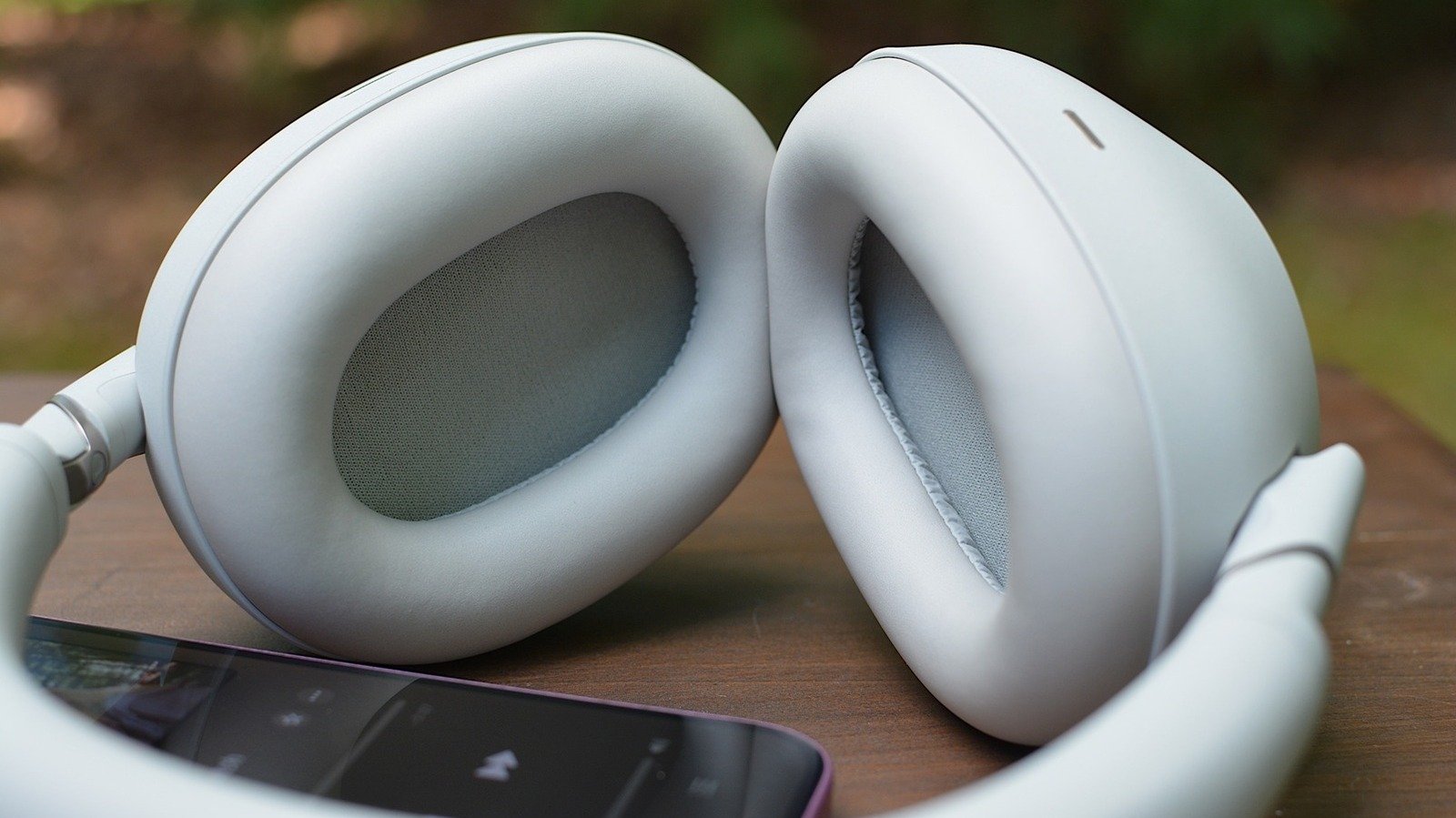
For over-ear headphones, ensure the cups fit comfortably over your ears. Check for glasses, hair, or worn-out pads that might loosen the seal. Remember, even small gaps can weaken bass and overall sound. By paying attention to fit, you will notice an immediate improvement in bass quality. Good fit makes the most of your headphones’ potential, so take a moment to adjust and find what works best for you.
Adjusting Your Settings for Better Bass
Before making any changes, check if your music app has an equalizer (EQ). Many apps, like Spotify or Apple Music, allow you to customize sound. Start with all EQ settings turned off. Then, make small adjustments to enhance bass. Avoid using “bass boost” presets, as they can distort sound or cause fatigue. Instead, tweak individual frequency bands gradually. This way, you can find a balance that adds impact without overpowering mids and highs.
Understanding the EQ curve helps in fine-tuning your sound. Bass frequencies are on the far left of the graph—roughly 20 to 60 Hz. Slightly higher, from 60 to 150 Hz, affects punch and weight. Adjusting these areas carefully enhances bass without muddying the overall sound. Different apps offer different controls: some have a detailed multi-point curve, while others only allow broad adjustments. Experiment with small changes and listen to various genres. Over time, you’ll discover the settings that deliver powerful yet controlled bass suited to your music taste.
Know When to Upgrade Your Headphones
If tweaking fit and EQ doesn’t give you the bass you want, it might be time for a new pair. Modern headphones often come with features that enhance bass naturally. For example, some models have better drivers and acoustic designs that produce richer lows. Also, look for headphones with active noise canceling and different listening modes; these features sometimes influence bass response.
However, shopping isn’t just about getting more bass. It’s about finding a balance that suits your preferences. Read reviews, especially those focusing on bass performance. Try different models if possible, and keep in mind your main use—whether for music, gaming, or calls. Upgrading can lead to a noticeably more powerful and clearer bass experience, but remember that even the best headphones perform better with proper fit and settings.
Achieving great bass isn’t just about buying the latest gadget. It’s about understanding what impact your adjustments and choices have. By paying attention to fit, fine-tuning your EQ, and knowing when to move on, you’ll enjoy richer, deeper sound that truly enhances your listening experience.
Stay Ahead with the Latest Tech Trends
Stay informed on the revolutionary breakthroughs in Quantum Computing research.
Stay inspired by the vast knowledge available on Wikipedia.
CellphonesV1
