

Top Highlights
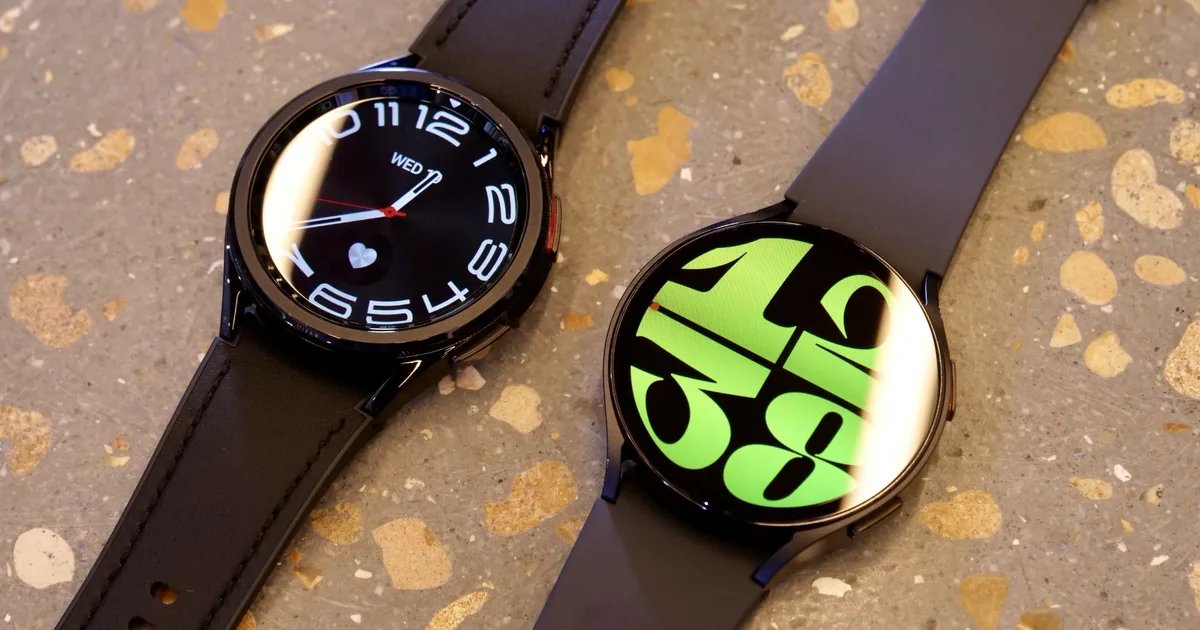
- The EU announced new exemptions for portable batteries in wearables.
- Smartwatches and fitness bands no longer require removable batteries for users.
- Safety concerns and fire risks influenced the exemption decision.
- Expect authorized repairs for dead batteries, not user replacements.
The EU’s Move: Exempting Wearables from Battery Regulations
The European Union has long pushed tech companies to adopt significant changes. Its influence led to mandatory USB-C ports on iPhones and extended support for spare parts in consumer electronics. Naturally, many hoped the EU would require smartwatches and fitness bands to have replaceable batteries. Instead, the recent announcement shifted the other way.
On July 14, the European Commission introduced a new regulation that adds exemptions under its Batteries Regulation. While most portable batteries sold in the EU must be removable by the user, the Commission excluded certain categories, including smartwatches and fitness bands. Other exemptions include electric toothbrushes and devices designed for explosive environments.
This decision reflects a complex balancing act. The Commission consulted various stakeholders, including manufacturers and consumer groups over the past months. Safety concerns, particularly regarding the disposal of tiny lithium-ion batteries, factored heavily into the discussion. These batteries have triggered fires in recycling facilities, making the exemption a cautious step.
The Practical Implications for Consumers
What does this mean for everyday users? If your smartwatch or fitness tracker runs out of battery, expect to send it to an authorized repair shop for a replacement. DIY repairs will likely remain off the table. This reality complicates the EU’s efforts to champion a repair culture, leaving wearables out of this specific initiative.
The decision underscores a critical tension in technology adoption. While consumers prioritize longevity and ease of use, manufacturers grapple with safety and functionality. This dynamic often leads to compromises that may not align with consumer expectations.
Smartwatches and fitness bands now stand as exceptions in an otherwise growing landscape of repairable consumer electronics. The EU’s move certainly doesn’t reflect a lack of consumer demand for replaceable batteries; rather, it highlights the complexities of legislation, safety, and commercial interests. As wearables gain popularity, this decision could shape the future of how consumers interact with their devices.
Discover More Technology Insights
Explore the future of technology with our detailed insights on Artificial Intelligence.
Discover archived knowledge and digital history on the Internet Archive.
TechV1
