

Essential Insights
- Researchers identified OLE, a molecule that reprograms microglia for Alzheimer’s defense.
- OLE helps microglia contain beta-amyloid plaques, reducing their harmful effects.
- Animal studies showed improved memory and less plaque presence with OLE treatment.
- Findings support future Alzheimer’s therapies, with patents enhancing translational potential.
Revolutionizing Alzheimer’s Research
Scientists in Spain and Switzerland have made significant strides in the battle against Alzheimer’s disease. They have discovered a molecule called OLE that may restore the brain’s immune defenses. This compound has the potential to “reprogram” microglia, the brain’s immune cells, enabling them to regain protective functions compromised by the disease.
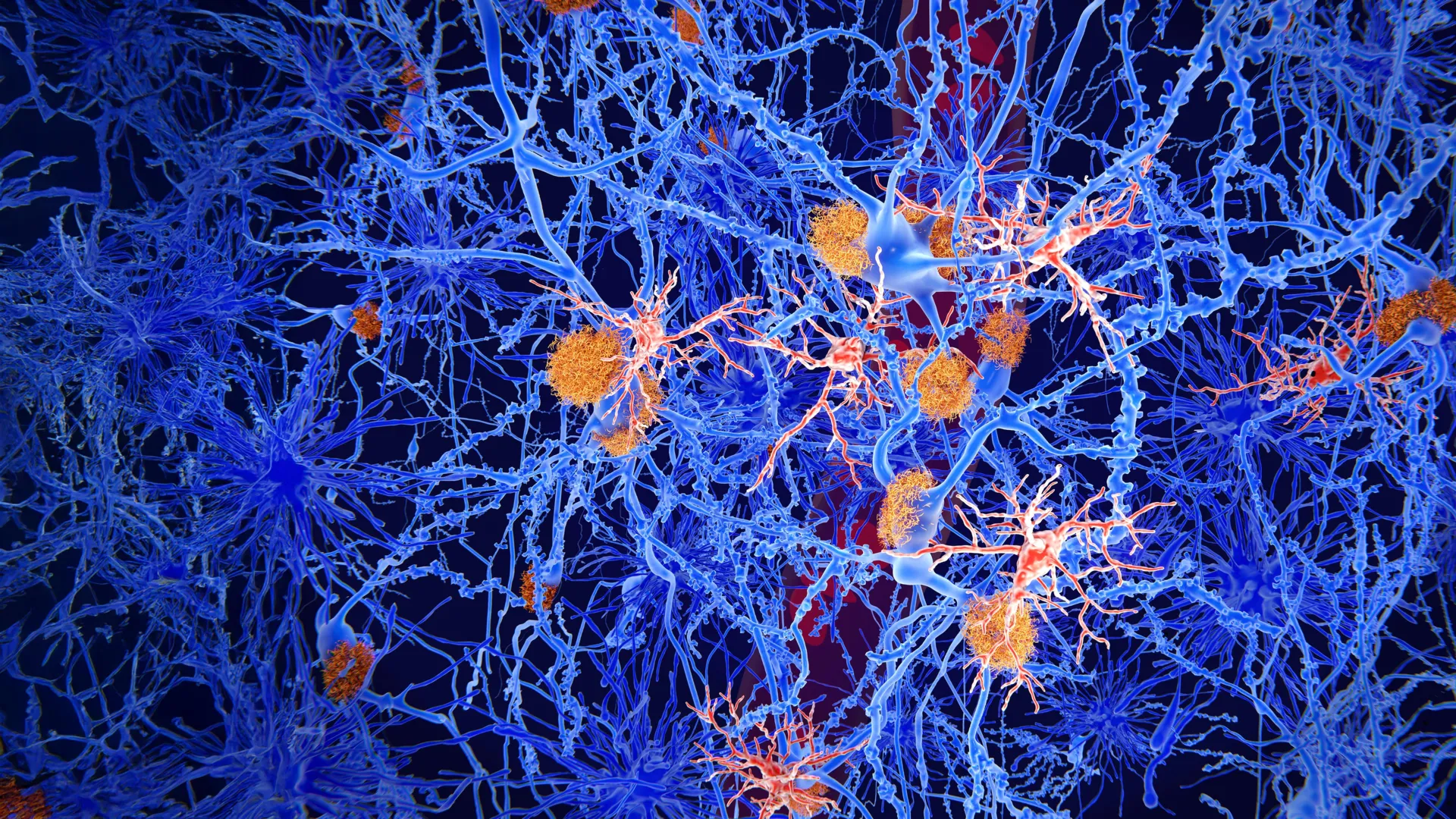
Alzheimer’s is marked by the buildup of beta-amyloid plaques in the brain. These plaques are harmful as they disrupt communication between neurons, leading to cognitive decline. Normally, microglia play a crucial role in clearing these deposits, but their effectiveness diminishes over time in Alzheimer’s patients. Researchers found that OLE can shift microglia back into a more protective state. The cells, after treatment, actively surround and contain beta-amyloid plaques, limiting their toxic effects. This breakthrough suggests a new avenue for therapeutic strategies aimed at counteracting Alzheimer’s.
Promising Results in Animal Models
The research team tested OLE in genetically modified worms and mice, both of which are useful models for studying the progression of Alzheimer’s. In the initial tests, worms treated with OLE showed reduced beta-amyloid buildup and improved motor function. The compound was subsequently administered to mice for three months. Results showed that treated mice outperformed their untreated counterparts on memory tests and had significantly fewer beta-amyloid plaques.
Further analysis highlighted microglia as the most responsive cells to OLE treatment. These immune cells activated pathways that clear beta-amyloid and improved their mobility toward plaques. This targeted response not only enhances their protective role but also suggests that OLE could directly benefit neurons. The dual mechanism positions OLE as a promising candidate for future therapies, bolstered by multiple patents and funding from various research foundations.
The implications of this research extend beyond laboratory findings. If translated successfully into human therapies, OLE could revolutionize treatment approaches for Alzheimer’s. With ongoing trials and extensive support, this may signal a hopeful future for millions affected by this devastating disease.
Continue Your Tech Journey
Dive deeper into the world of Cryptocurrency and its impact on global finance.
Stay inspired by the vast knowledge available on Wikipedia.
TechV1
