

Essential Insights
- Australia plans to double fines for social media platforms failing youth protections.
- Communications Minister blames Big Tech for circumventing age restrictions.
- New legislation enhances eSafety Commissioner’s powers to enforce compliance.
- Initial bans on child accounts showed little effectiveness, raising concerns.
A Response to Rising Children’s Safety Concerns in the Digital Realm
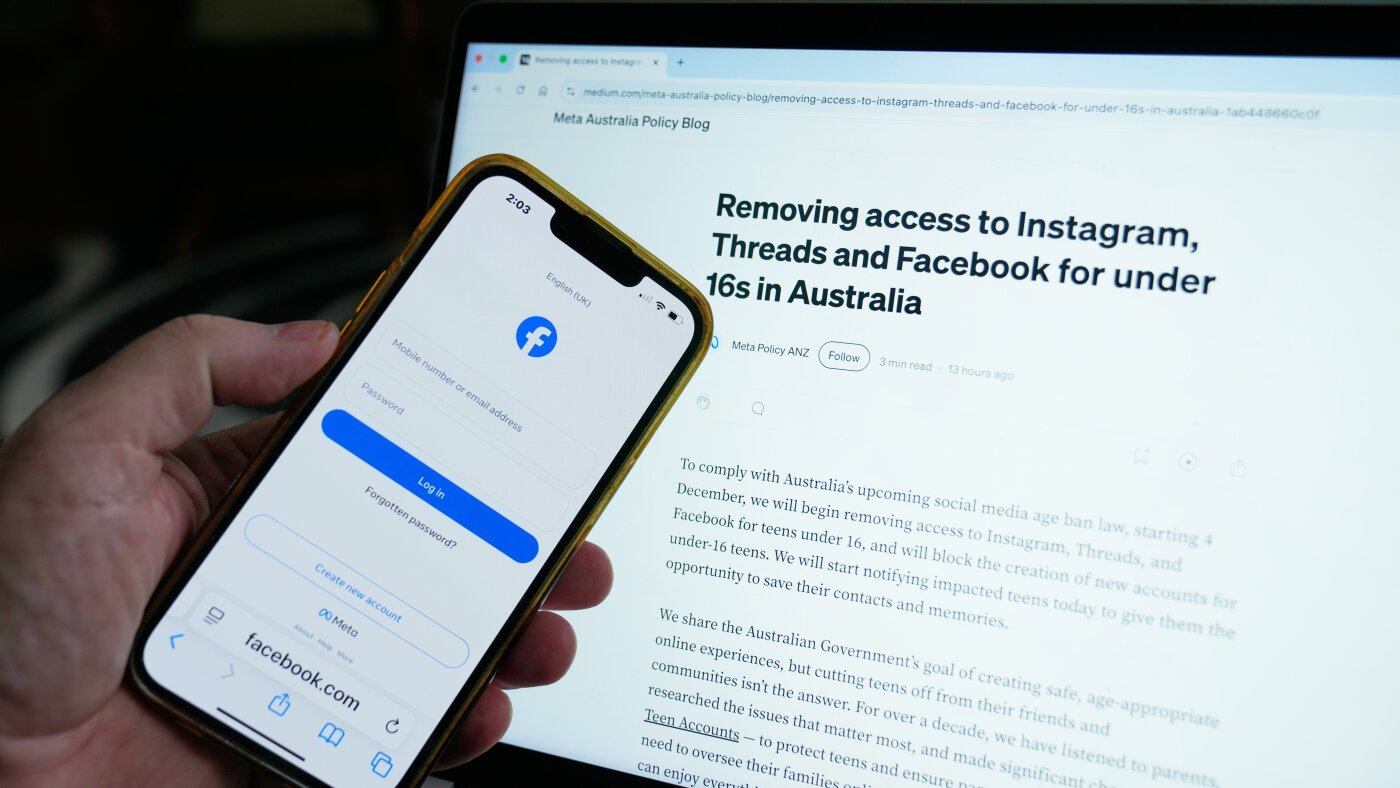
Australia’s decision to double potential fines for social media platforms is a critical step in addressing the escalating dangers children face online. Communications Minister Anika Wells’s comments reveal a pressing concern that companies like Facebook and Instagram have not sufficiently complied with age restrictions. Legislators have recognized that these platforms often undermine efforts to safeguard children, making stronger regulations a necessity.
The proposed fines, reaching up to 99 million Australian dollars ($68 million), underscore the seriousness of this issue. By increasing the powers of the eSafety Commissioner, the government aims to hold these companies accountable. This shift provides the commissioner with tools to demand compliance and ensure platforms do not sidestep regulations. If companies cannot or will not protect children, the financial consequences may spur them to act more responsibly.
However, critics warn that the existing legislation lacked rigor and effectiveness. The initial plan, which resulted in over 5 million accounts being removed, did not have the desired impact, as seven out of ten children still managed to retain access to restricted platforms. These statistics challenge the efficacy of the current law and highlight a need for robust age verification processes and stricter enforcement.
The Role of Technology in Enforcing Compliance
While fines and increased oversight may serve as deterrents, relying solely on punitive measures may not guarantee compliance. Companies have often resisted changes that threaten their user base or advertising revenue. To combat these challenges, Australia can leverage technology. Age assurance systems—tools that verify the age of users without compromising privacy—can provide a proactive approach rather than merely penalizing infractions.
International observers will closely scrutinize Australia’s approach as other countries contemplate similar legislation. Striking a balance between protecting children and ensuring platforms can operate effectively is crucial. Policymakers must engage with tech companies, child advocacy groups, and digital experts to develop an effective framework. Only through honest dialogue and innovative solutions can authorities create safe digital environments for the youth they aim to protect.
As Australia moves forward with these plans, world leaders must heed the lessons learned and adapt strategies accordingly. By focusing on accountability and technology, societies can forge a safer future for children navigating the complexities of the online world.
Continue Your Tech Journey
Explore the future of technology with our detailed insights on Artificial Intelligence.
Access comprehensive resources on technology by visiting Wikipedia.
TechV1
