

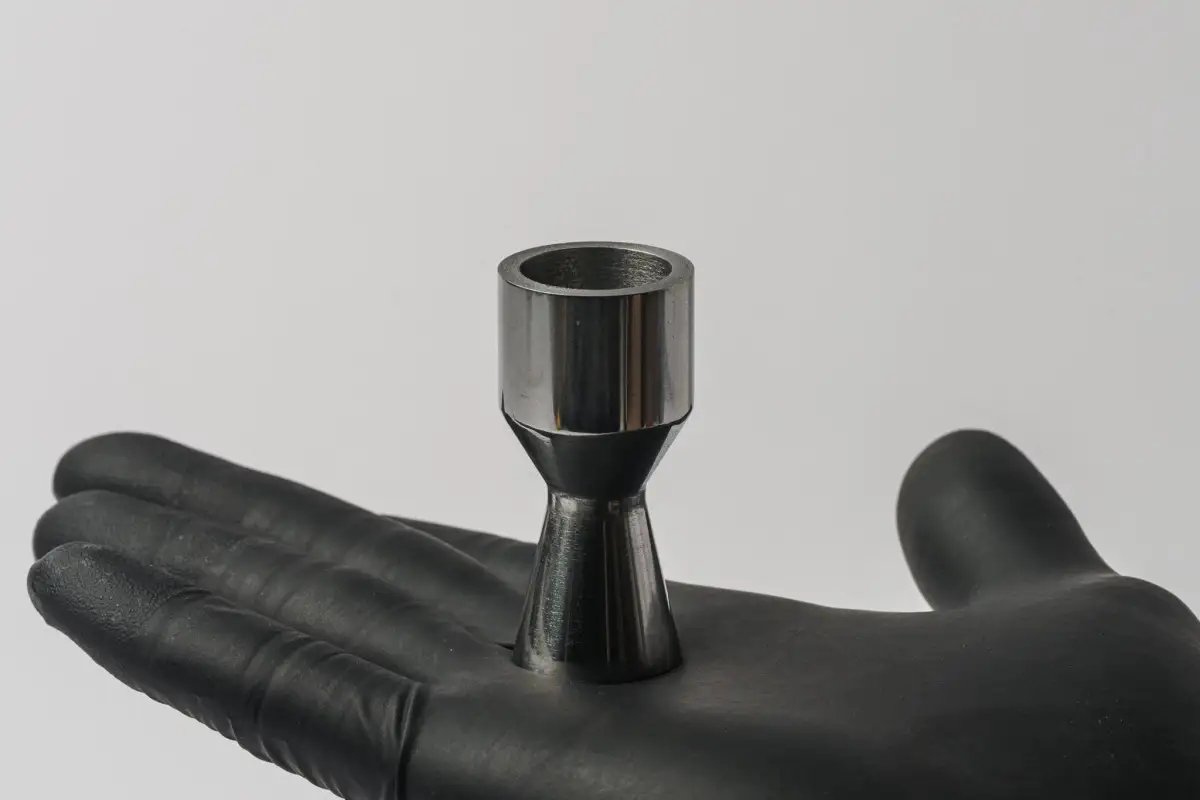
Quick Takeaways
- Foundation Alloy uses a smashing technique to create new metal alloys without melting.
- The startup has raised $22 million to scale production by 2027.
- Their technology produces stronger, more versatile metals for various industries.
- Solid-state process reduces energy consumption and enhances alloy performance significantly.
The Evolution of Alloying Technology
Human creativity has long transformed metal from its natural state. In the Bronze Age, people melted and mixed metals to create stronger materials. Today, Foundation Alloy aims to revolutionize this age-old craft. Instead of melting, they smash metal powder particles together. This innovative method could lead to stronger, lighter, and more versatile materials.
Jake Guglin, co-founder and CEO, emphasizes the potential. “We can create properties that other people can’t,” he states. Traditional alloying methods have limitations. For example, they struggle with metals that have different melting points. Foundation Alloy’s solid-state process sidesteps this issue. It allows for the creation of entirely new alloys that maintain desirable properties without the trade-offs commonly seen in older methods.
Industries from aerospace to luxury watchmaking show keen interest. Companies seek better metals that reduce costs and waste. Foundation Alloy’s approach can save significant energy, making it an eco-friendly option. As the startup ramps up production, it anticipates a growing demand for its bespoke solutions.
Foundation Alloy’s technique could change industries drastically. It could enable the production of parts for military drones that require durability and performance. Current supply chains often fall short for the rapid production needs of modern technology. Traditional methods focus on quality but miss the mark on quantity.
With this new alloying method, manufacturers can produce thousands of parts per month instead of merely hundreds. The benefits extend to sectors like automotive and semiconductor manufacturing. A metal that balances heat resistance and mechanical strength grants engineers newfound flexibility in design.
This technology is still in its infancy, but the implications are vast. Across various fields, from chef’s knives to drone parts, the quest for better materials drives innovation. Foundation Alloy stands poised to redefine our relationship with metal. The implications for industries and consumers are significant, promising stronger, more sustainable, and innovative products. As this technology matures, it will shape the future of manufacturing as we know it.
Discover More Technology Insights
Explore the future of technology with our detailed insights on Artificial Intelligence.
Stay inspired by the vast knowledge available on Wikipedia.
TechV1
