

Essential Insights
-
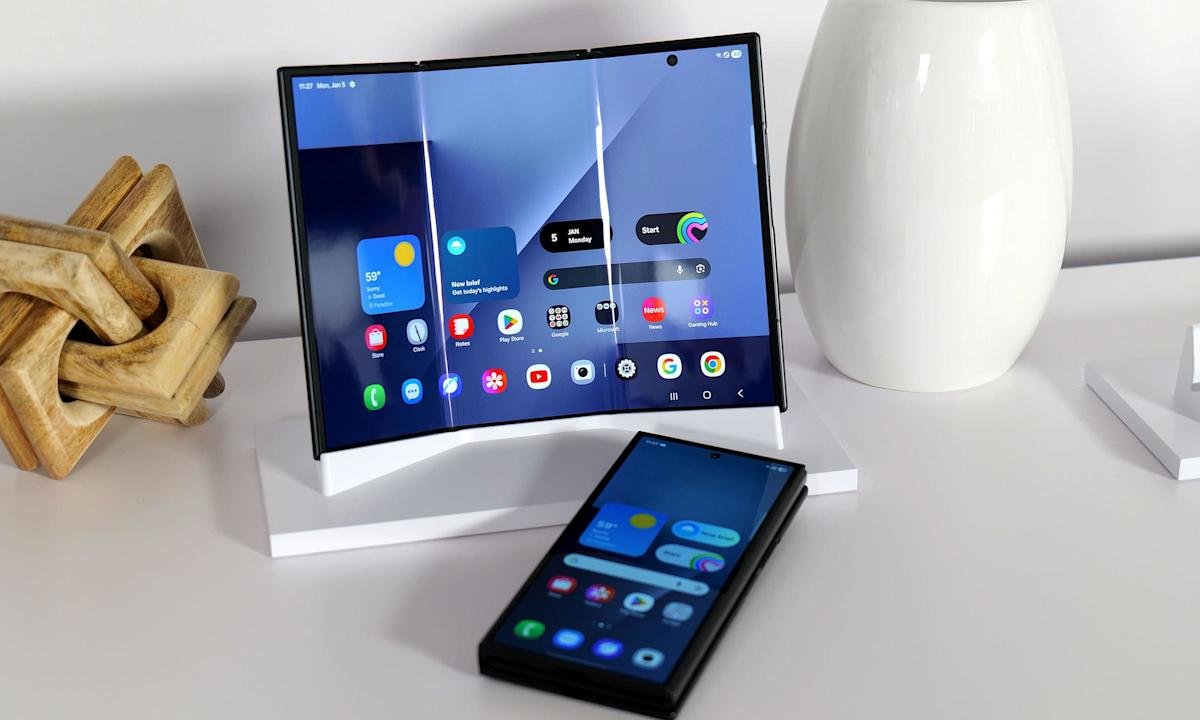
Sales Termination: Samsung will reportedly end Galaxy Z TriFold sales in South Korea on March 17, only three months after its launch, with uncertain availability in the U.S. until inventory runs out.
-
Limited Production: The TriFold was sold in small batches, with around 3,000 units sold initially, and no review units provided to the media, indicating it wasn’t designed for mass production.
-
Technology Showcase: Industry sources revealed that the TriFold was primarily a technology showcase rather than a profit-generating product, affected by rising component costs.
-
High Secondary Market Prices: In South Korea, the phone briefly sold for nearly three times its retail price on the secondary market, highlighting its scarcity and demand despite high initial costs.
The Swift Rise and Fall of the Galaxy Z TriFold
Samsung’s decision to end sales of the Galaxy Z TriFold just three months after launch raises eyebrows. Reports indicate that the device will disappear from South Korea on March 17, while limited inventory remains available in the U.S. for a steep price tag of nearly $3,000. This swift exit highlights a crucial point: the TriFold may not have been intended for widespread adoption. With only 3,000 units sold in initial batches, Samsung clearly aimed at a niche market rather than mass production. The device appeared to function more as a technology showcase than a revenue-generating product.
Notably, secondary market prices surged, reaching almost three times retail value. Meanwhile, industry sources suggest that rising costs for components like DRAM and NAND flash left little profit margin. Samsung did not even distribute review units to the media, indicating a reluctance to fully endorse this product. Such limited availability also suggests uncertainty about its practicality and consumer appeal.
Implications for Future Technological Adoption
The Galaxy Z TriFold’s brief lifespan offers valuable insights into the future of smartphone technology. Transitioning from innovation to mass adoption remains a formidable challenge. As consumers expect reliable and functional devices, proof of durability becomes essential. Samsung’s earlier experience with the Galaxy Fold serves as a reminder of this hurdle, as early units experienced failures, leading to delays in launch.
Moving forward, tech companies should consider consumer needs alongside technological breakthroughs. The TriFold may not have set the market ablaze, but it does push the envelope of design and functionality. The question remains: Will consumers embrace folding technology, or will it falter amidst practical demands? Samsung’s experience suggests that the journey toward innovative smartphone design requires careful balance between vision and viability.
Stay Ahead with the Latest Tech Trends
Dive deeper into the world of Cryptocurrency and its impact on global finance.
Explore past and present digital transformations on the Internet Archive.
TechV1
