

Summary Points
- Sila secured a $1.4 billion DoD loan to expand silicon-carbon battery production.
- Silicon anodes offer 20-40% more energy than graphite, ideal for EVs and defense.
- Sila’s factory in Washington produces 2 GWh annually, plans to expand fivefold.
- The deal supports diversified, non-Chinese supply chains amid geopolitical tensions.
Sila’s $1.4 Billion Loan Signals a Shift in Battery Supply Chains
Sila has secured a $1.4 billion loan from the U.S. Department of Defense to grow its production of silicon-carbon battery materials. This financial boost comes as U.S. military and commercial companies seek alternatives to Chinese-made battery components. Most lithium-ion batteries today use graphite anodes, but China controls much of this supply chain. Sila’s new funding aims to change that by helping produce materials domestically.
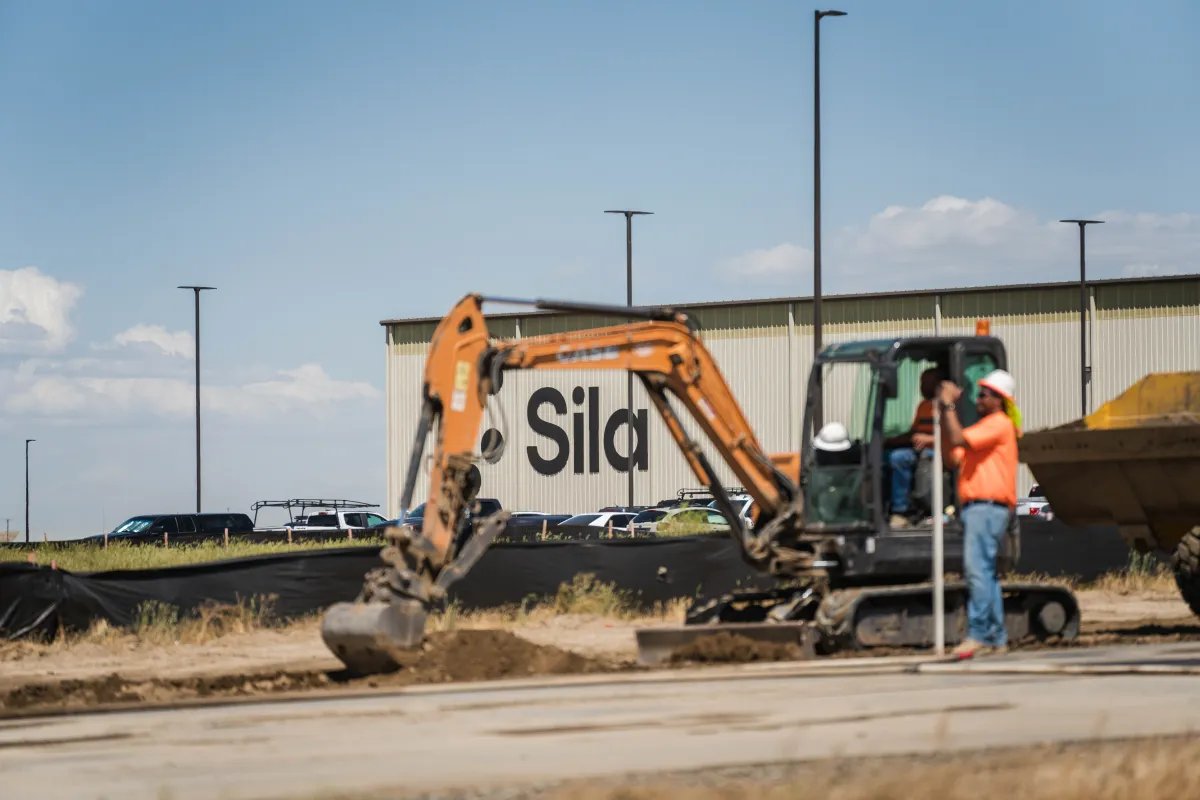
The company’s factory in Moses Lake, Washington, is already operational. It produces about 2 gigawatt-hours of anode material each year. Sila plans to expand this plant five times its current size. Once expanded, it can supply enough material for over 100,000 electric vehicles (EVs). This move can help reduce U.S. dependence on Chinese supply chains for batteries. Sila has already partnered with companies like Mercedes and Panasonic. The new loan could lead to contracts with defense contractors that are eager for reliable, domestic sources of battery materials.
The push for silicon anodes makes sense in today’s market. These materials store 20% to 40% more energy than graphite. That means longer-lasting batteries or smaller, lighter ones. These qualities are important for military drones, EVs, and other portable tech. By producing its silicon-carbon material in the U.S., Sila aims to meet rising demand from industries that need better, more secure supply chains.
broader Impact on Defense and Technology Manufacturing
The U.S. government’s funding isn’t limited to Sila. It also includes loans and investments in other companies working with critical materials. Sunrise Energy Metals in Australia will get $400 million to mine scandium, a rare element used in lightweight alloys. Niron Magnetics in Minnesota is set to receive $150 million to produce magnets without rare earth materials. Also, Strategic Bauxite will get $85 million to develop aluminum minerals.
These investments reflect a broader trend. The Department of Defense seeks to ensure access to key materials that boost military technology. The focus on domestic production aims to cut reliance on foreign sources. While this strategy offers security benefits, it also raises questions about cost and practicality. Producing advanced materials locally can be expensive and complex. Still, the effort suggests the U.S. aims to stay ahead in technology, defense, and manufacturing.
By investing heavily in battery and materials development, the U.S. hopes to secure its economic and military future. The success of companies like Sila will influence how quickly and effectively the country can adapt to new technologies and geopolitical challenges.
Continue Your Tech Journey
Explore the future of technology with our detailed insights on Artificial Intelligence.
Explore past and present digital transformations on the Internet Archive.
TechV1
