

Top Highlights
-
Product Ban and Future Plans: The Ultrahuman Ring Air has been banned in the US due to a lawsuit from Oura Ring, but existing users can continue using it while the company develops a new design.
-
Unique Features and Workout Tracking: Launched in June 2023, the Ultrahuman Ring Air tracks various health metrics, including workouts, sleep, and menstrual health, and boasts superior workout tracking compared to competitors, though it lacks accurate auto-detection for workout types.
-
App and Data Presentation Issues: The app interface is cluttered and difficult to navigate, presenting health data inconsistently, which may overwhelm users despite providing extensive information for data enthusiasts.
-
Comparative Inaccuracies: The Ultrahuman Ring Air showed significant inaccuracies in tracking data compared to other wearables, particularly in running pace and sleep metrics, which could be a drawback for those seeking precise fitness tracking.
The Ultrahuman Ring Air: The Best Smart Ring for Your 2026 Health and Fitness Goals
In the world of wearable technology, smart rings have gained popularity. I recently tested several options, and one stood out: the Ultrahuman Ring Air. This device offers unique features that make it ideal for fitness enthusiasts looking to achieve their health goals.
The Ultrahuman Ring Air launched in June 2023 and costs $349. Verizon partnered with Ultrahuman, making it the first carrier to offer this smart ring. The ring tracks various metrics using infrared sensors, including sleep, recovery, stress levels, and even reproductive health. This comprehensive approach to monitoring wellness is impressive.
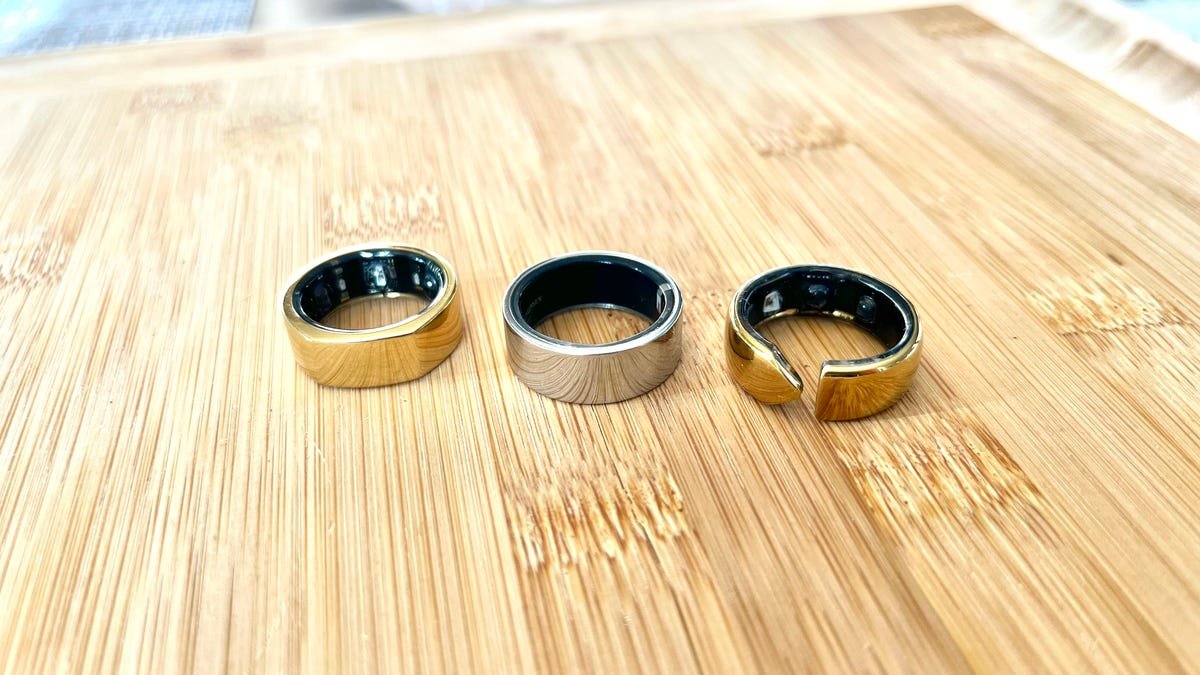
One major advantage? There’s no subscription fee required. This factor makes it more affordable compared to brands like Oura and Evie. However, the Ultrahuman Ring Air has a more masculine design, featuring a thicker band. If you prefer more delicate jewelry, this may not be the right fit for you.
While the ring provides excellent workout tracking, the accompanying app layout is cluttered. It often displays too much information at once, which can overwhelm users. Although someone who loves data may appreciate this, I found it difficult to read and navigate. A simpler design could enhance user experience significantly.
When it comes to workout tracking, the Ultrahuman Ring Air excels. Users can log various physical activities, from strength training to hiking. The ring also allows you to create movement zones to share with friends, promoting community engagement and accountability. However, it currently lacks the automatic workout detection feature found in the Oura Ring.
I compared the Ultrahuman Ring Air’s data with my Apple Watch during a run. The ring reported my pace at 17 minutes per mile, while the Apple Watch logged a much more accurate 10:25 per mile. This variance raises questions about reliability for serious athletes. If precision matters to you, consider another device.
Sleep tracking wasn’t as accurate as I expected. The Ultrahuman Ring Air’s scores felt inflated compared to the Oura Ring’s assessments. Understanding the nuance of sleep quality is crucial for health, so this discrepancy is worth noting.
Overall, the Ultrahuman Ring Air shows promise for fitness tracking. Its strengths, like detailed workout analytics and an easy caffeine window, make it appealing. Yet, its design issues and data accuracy need attention. For those eager to kickstart their health journey in 2026, this smart ring offers an exciting option, though improvements could further enhance its market position.
Continue Your Tech Journey
Dive deeper into the world of Cryptocurrency and its impact on global finance.
Discover archived knowledge and digital history on the Internet Archive.
FashionTechV1
