

Essential Insights
- Researchers extracted a 100-foot sediment core from Jackson Lake, Wyoming.
- The project may reveal earthquake evidence along the Teton fault and Yellowstone.
- Students gained skills while participating in diverse scientific research projects.
- NSF offers funding opportunities for students and researchers across various disciplines.
Braving Nature’s Challenges
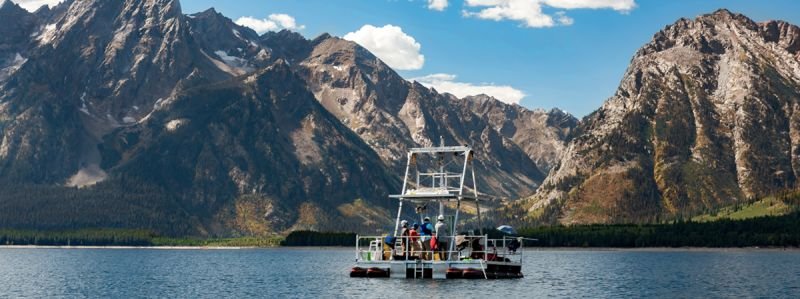
Students today dive into real-world scientific challenges, from braving blizzards to extracting sediment cores. In a remarkable project at Jackson Lake, a team led by professors from the University of Kentucky and supported by experts from the University of Minnesota retrieved a 100-foot tube of sediment. This sediment holds clues to the region’s seismic past and potential future earthquakes along the Teton fault. Such research not only enhances scientific understanding but also trains students in critical fieldwork skills.
The team’s collaboration exemplifies hands-on learning. Students engage with faculty, gaining skills applicable to future climate projects in Kentucky. This approach empowers young scientists, fostering curiosity and innovation. Engaging students in such immersive research enhances their education and prepares them for complex environmental challenges ahead.
Intersections of Science and Indigenous Knowledge
Meanwhile, another group of students navigates Lake Ontario’s treacherous weather, capturing data about how wind turbines can influence lightning during storms. This unique scientific endeavor highlights the importance of adaptive learning and immediate problem-solving in extreme conditions. Students contribute to forecasting, ensuring their research directly impacts weather outcomes and turbine safety. The fieldwork fosters teamwork and critical technical skills, essential for future scientific endeavors.
Moreover, research in the depths of the ocean connects young scientists with Indigenous knowledge. Collaborations in Alaska showcase a blend of Western science and traditional ecological wisdom. Participants, like undergraduate student Stefani Martinez, demonstrate that integrating diverse perspectives enriches research. This fusion fosters inclusivity and broadens understanding of complex ecological issues.
Students play a crucial role in shaping the future of science. Engaging in these multifaceted projects builds resilience and adaptability. They learn the importance of collaboration, not only between scientists but also with Indigenous communities, creating a holistic approach to problem-solving in research. These experiences prepare them to tackle pressing global challenges and contribute meaningfully to the scientific community.
Stay Ahead with the Latest Tech Trends
Dive deeper into the world of Cryptocurrency and its impact on global finance.
Stay inspired by the vast knowledge available on Wikipedia.
TechV1
