

Top Highlights
- Study links high sugar substitute intake to faster cognitive decline over time.
- Nearly 13,000 adults were tracked; association was strongest in younger individuals.
- Six sweeteners, including aspartame and saccharin, correlated with memory issues.
- Research indicates a need for further studies on sweeteners and brain health.
The Hidden Risks of Popular Sugar Substitutes
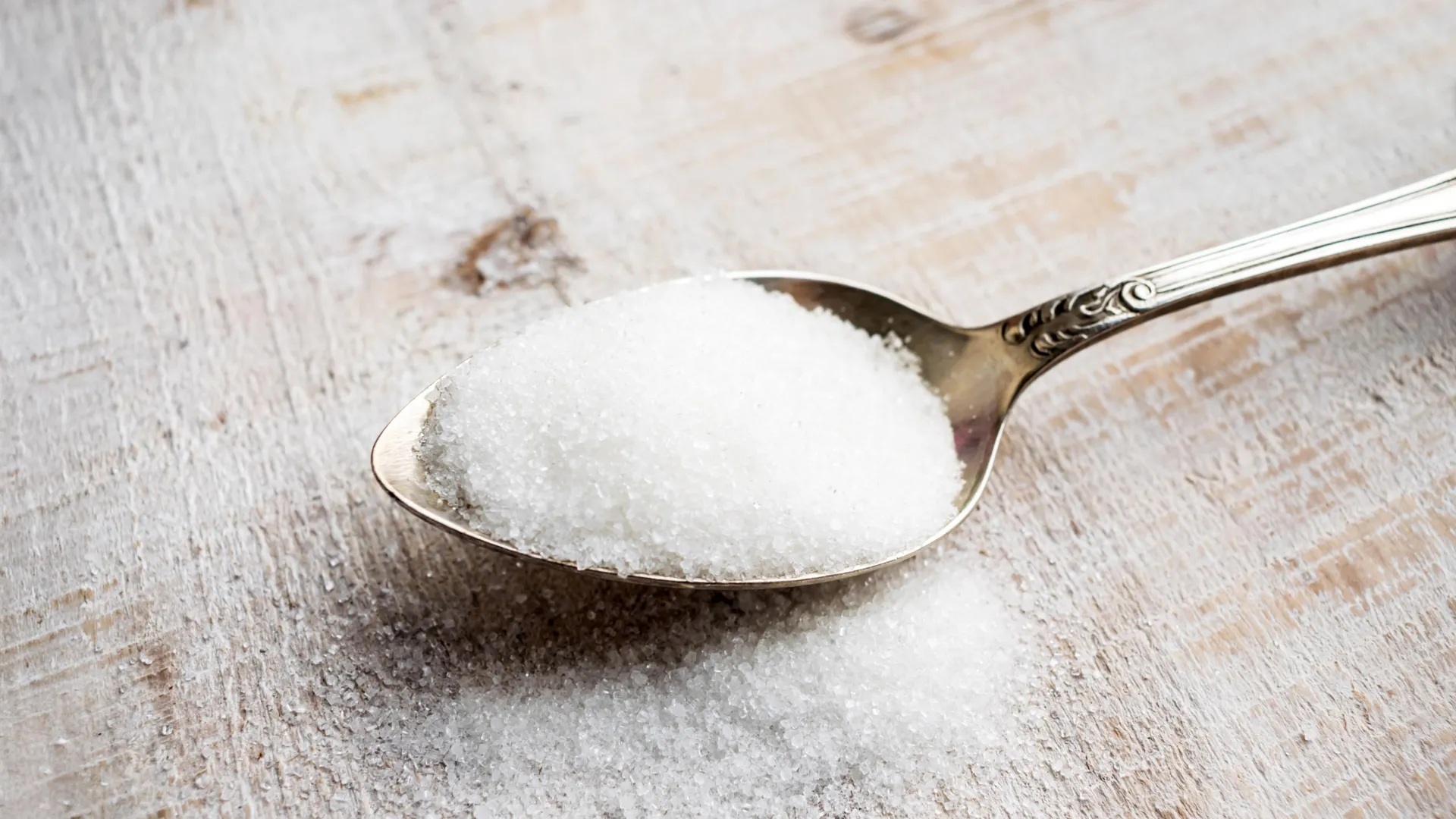
Recent research published in “Neurology” raises alarming questions about sugar substitutes. Several widely used sweeteners may contribute to faster cognitive decline, particularly among younger adults and those with diabetes. This study tracked nearly 13,000 adults over eight years, categorizing them based on their intake of seven common sugar substitutes. Those in the highest consumption group faced a 62% faster decline in memory and thinking skills. In cognitive terms, this translates to about 1.6 additional years of aging.
Researchers focused on sweeteners like aspartame, saccharin, and erythritol. These ingredients frequently appear in ultra-processed foods marketed as low-calorie. While these products often present themselves as healthier options, the findings suggest that their long-term impacts on brain health may be detrimental. The study revealed that people under 60 exhibited a strong correlation between sweetener consumption and cognitive decline, raising essential questions about dietary recommendations for this demographic.
Rethinking Dietary Choices
While this research establishes an association rather than a direct cause-and-effect relationship, it emphasizes the need for cautious consumption of sugar substitutes. The intake of sweeteners increased the rate of cognitive decline, especially in individuals already managing diabetes. Many of these individuals rely on artificial sweeteners to avoid sugar spikes, yet they may unknowingly compromise their cognitive health.
The study did not assess every sugar substitute on the market, and self-reported dietary data can often be inaccurate. Additional research is essential to explore refined sugar alternatives like honey and maple syrup. Greater understanding will enable consumers to make informed choices that protect their brain health while enjoying necessary sweetness in their diets. As awareness of the potential risks increases, it is crucial to question whether these popular sweeteners are truly beneficial for our overall well-being.
Continue Your Tech Journey
Learn how the Internet of Things (IoT) is transforming everyday life.
Stay inspired by the vast knowledge available on Wikipedia.
TechV1
