

Essential Insights
- Researchers discovered a magma reservoir beneath Japan’s Kikai caldera is refilling.
- This study aids understanding of large caldera systems like Yellowstone and Toba.
- Kikai produced a massive eruption 7,300 years ago, forming a caldera.
- Findings suggest fresh magma is now rebuilding the ancient reservoir structure.
Understanding Kikai’s Magma Reservoir
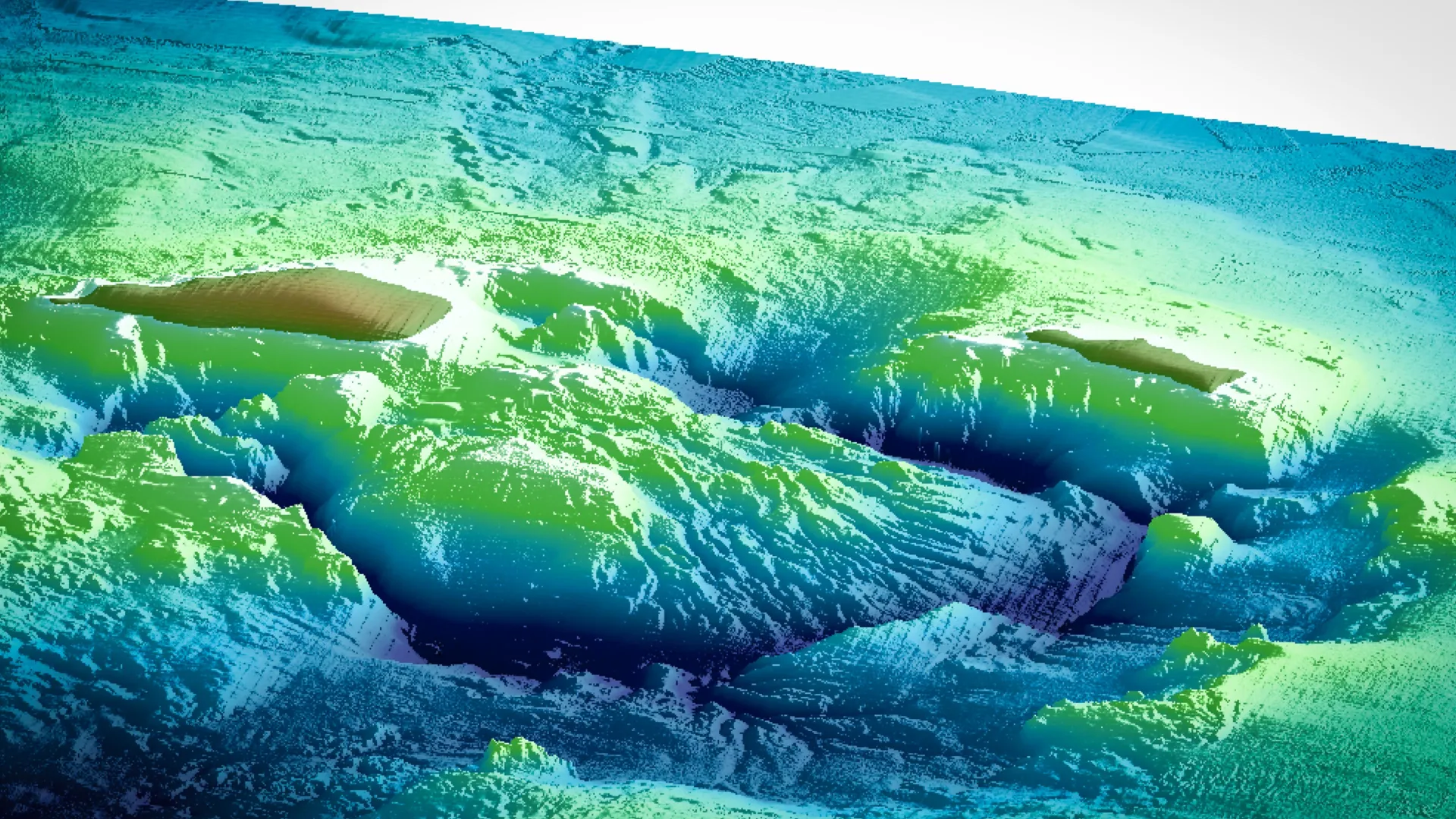
A vast reservoir of magma beneath Japan’s Kikai caldera is recharging with fresh material. Researchers at Kobe University recently made this significant discovery, which offers insights into how some of Earth’s largest volcanoes recover after catastrophic eruptions. Kikai is a mostly submerged volcanic caldera located south of Japan. Its last major eruption, about 7,300 years ago, ranks among the largest in recorded history.
Calderas like Kikai form when a massive eruption empties a significant volume of magma, causing the ground to collapse. Instead of typical cone-shaped mountains, calderas create broad depressions. Imagine the amount of magma involved: enough to cover Central Park to a depth of about 12 kilometers. Supervolcanoes like Kikai, Yellowstone, and Toba have enormous potential for further eruptions, but scientists still struggle to understand the processes allowing these systems to accumulate such vast quantities of magma. This research might help fill those gaps.
Insights for Volcano Monitoring
The underwater location of Kikai presented a unique advantage for this study. It allowed researchers to conduct systematic surveys using seismic waves. By sending controlled seismic pulses and monitoring their travel through the crust, scientists gathered vital information about underground structures. Seismic waves change speed depending on the materials they traverse. Measuring these variations helped the team identify regions rich in partially molten rock.
The study revealed a magma-rich region directly beneath Kikai, linked to the ancient eruption. Researchers estimated its size and position, indicating the reservoir still connects to the system that produced the massive eruption long ago. New molten material has entered this reservoir over time, illustrating that Kikai’s internal activity continues. A lava dome, forming for approximately 3,900 years, shows fresh magma pushing upward.
This fresh magma building up beneath Kikai aligns with a broader model. Scientists have also noted large, shallow magma reservoirs under other giant calderas, such as Yellowstone and Toba. Understanding how fresh magma enters these systems will help differentiate between regular volcanic activity and the signs of potentially explosive events. Researchers aspire to refine their methods to monitor indicators of future giant eruptions more accurately. While Kikai itself does not pose an immediate threat, this research highlights the complexity of volcano monitoring and the active geological processes occurring beneath the surface.
Stay Ahead with the Latest Tech Trends
Dive deeper into the world of Cryptocurrency and its impact on global finance.
Discover archived knowledge and digital history on the Internet Archive.
TechV1
