

Fast Facts
-
Breakthrough Technique: Researchers at Texas A&M University developed a method to provide aged or damaged cells with fresh mitochondria using nanoflower technology, potentially reversing cellular energy loss.
-
Significance of Mitochondria: Mitochondrial decline is linked to aging and diseases like Alzheimer’s, and enhancing the body’s natural mitochondrial replacement could address multiple health issues simultaneously.
-
Efficient Energy Restoration: The study showed that nanoflower-treated stem cells produced 2-4 times more mitochondria than untreated ones, effectively revitalizing damaged cells and increasing resistance to cell death.
-
Broad Therapeutic Potential: This innovative approach, supported by various funding agencies, holds promise for treating a wide range of conditions, allowing for targeted application in tissues such as the heart and muscles.
Restoring Energy: The Role of Nanoflowers
Biomedical researchers at Texas A&M University have made a groundbreaking discovery that could change the treatment of age-related diseases. They have developed a technique that rejuvenates aging cells by supplying fresh mitochondria. Mitochondria are tiny structures that generate energy for our cells. As we age, or as cells are damaged by illness and treatment, the number of mitochondria decreases, leading to weaker cell function and overall health.
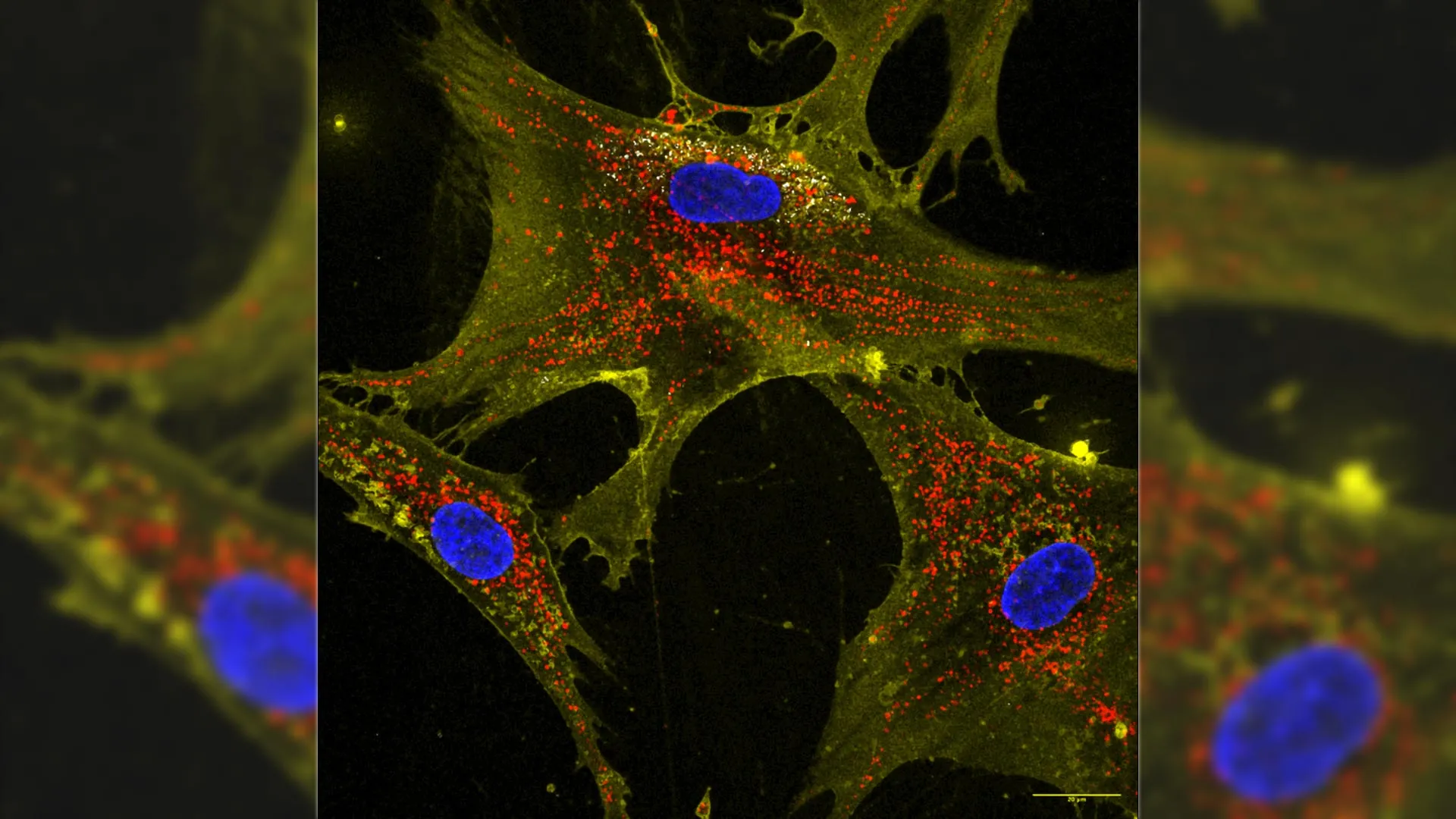
The researchers used nanoflowers, microscopic, flower-shaped particles, in combination with stem cells. When exposed to these nanoflowers, stem cells doubled their mitochondrial production. This increase allowed them to pass on these extra energy producers to neighboring damaged cells. Remarkably, the once-ailing cells restored their energy levels and became more resilient against cell death, even in harsh treatments like chemotherapy. By enhancing the body’s natural ability to produce and share mitochondria, this method represents a promising leap towards combating aging and degenerative diseases.
A Broad Perspective on Future Therapies
Although various methods exist to boost mitochondrial production, many come with challenges. Traditional drug-based interventions often require frequent administration, while the larger nanoflowers remain inside cells longer, requiring only monthly treatments. This simplicity could revolutionize how we think about cellular therapy—potentially transforming it from a complex regimen into a more manageable solution.
The versatility of this technique offers hope for a broad range of applications. Whether for heart disease, muscular dystrophy, or neurodegenerative conditions, the approach could adapt to various tissues. With ongoing research and investment, we stand on the brink of a new era in medicine where healing may come from rejuvenating our very own cells. The future looks bright as scientists explore the full potential of nanoflowers in enhancing human health.
Continue Your Tech Journey
Learn how the Internet of Things (IoT) is transforming everyday life.
Stay inspired by the vast knowledge available on Wikipedia.
TechV1
