

Fast Facts
-
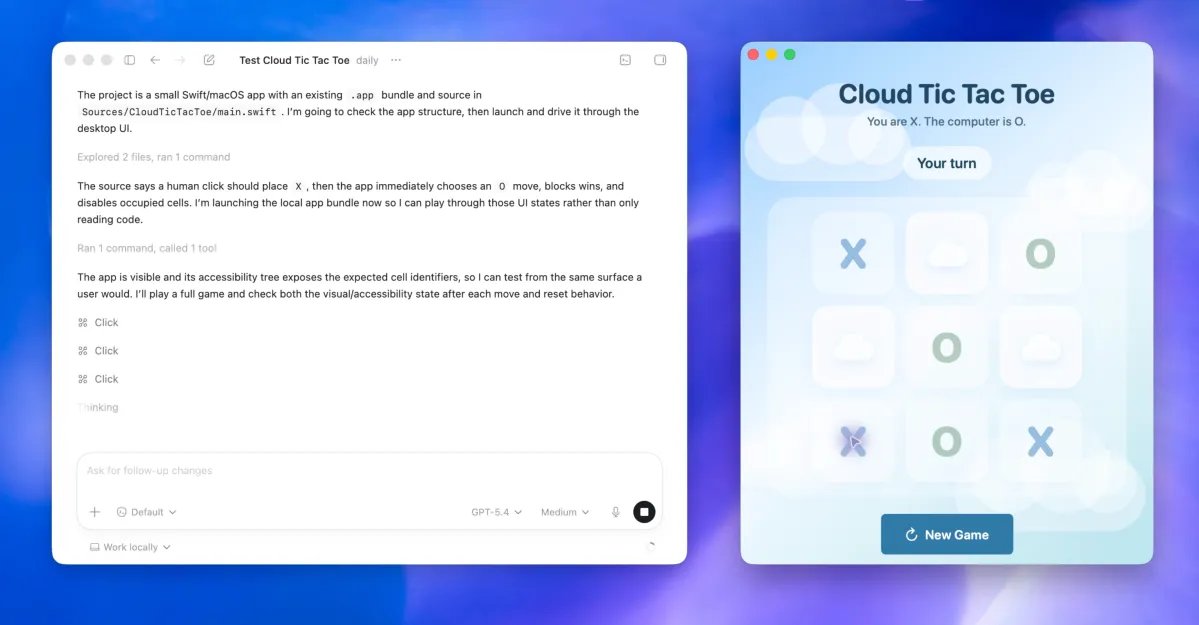
Enhanced Desktop Integration: OpenAI’s Codex can now operate desktop apps on macOS, working in the background without disrupting user work, which aids developers in testing and iterating applications.
-
Expanded Functionality: The update includes the ability to generate images, integrate with new tools like GitLab and Atlassian Rovo, and feature a native in-app browser for direct commenting and instructions.
-
Improved Task Automation: Codex will automate tasks using existing conversation threads and schedule future work autonomously, streamlining long-term projects.
-
Memory Feature for Personalization: A new memory option allows Codex to recall user preferences and information, enhancing task completion quality and efficiency, rolling out soon for select user groups.
OpenAI Codex: A Game Changer in Coding
OpenAI recently announced a significant update to its Codex platform. This upgrade enhances the system’s ability to operate desktop applications without disrupting users’ workflows. Users can now allow Codex to run tasks in the background. Consequently, this dual-operation mode enables multiple agents to work simultaneously. For developers, these enhancements streamline the testing process. The ability to handle tasks that lack an API proves invaluable for improving front-end development and app functionality.
Moreover, Codex now incorporates new tools for image generation and enhanced web browsing capabilities. The addition of native web browsing allows users to interact with web pages directly, making task instructions more precise. Additionally, the memory feature promises to transform users’ experiences by allowing Codex to recall preferences and corrections. Thus, users can expect faster completion of tasks that traditionally required granular input. These updates position Codex as a more efficient coding partner in an increasingly automated landscape.
Competing with Claude Code and the Future of Development
OpenAI’s updates are strategic moves in the ongoing rivalry with Anthropic’s Claude Code. The competitive landscape demands rapid innovation, and OpenAI aims to solidify its leadership. Yet, users should consider how these innovations impact their daily tasks. Enhanced personalization and automatic scheduling could change how developers approach their projects, making software more intuitive.
However, current limitations exist; the updates are initially available only on macOS, with other operating systems and regions pending a timeline for rollout. This staggered launch may affect user adoption in Europe and beyond, leaving some eager users in the lurch. Still, if these new tools fulfill their promise, developers may find their work significantly easier and more productive. Ultimately, as coding becomes increasingly automated, advancements like those in Codex will play a crucial role in shaping future development practices, contributing to the human journey toward technological efficiency.
Continue Your Tech Journey
Stay informed on the revolutionary breakthroughs in Quantum Computing research.
Discover archived knowledge and digital history on the Internet Archive.
TechV1
